
Aphids
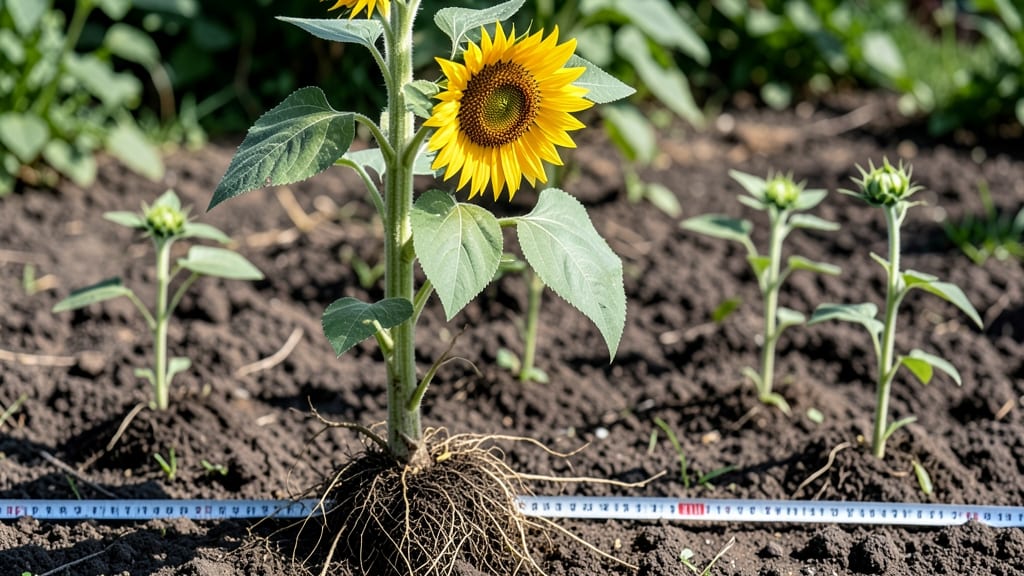
Sunflowers might seem like they'll take over your garden, but the truth about their spread is far simpler than you think. 🌻 These cheerful giants don’t creep outward like aggressive weeds—they grow straight up, with roots that dig deep instead of spreading wide.
If you're wondering whether sunflowers will crowd out your other plants, the answer lies in their root system. Most varieties grow 2-3 feet wide at the base, but their taproots dive 3-5 feet deep, leaving plenty of space for neighbors. The key is proper spacing from the start.
Here’s the game-changer: sunflowers don’t spread through runners or underground stems, but they do self-seed like crazy. That means next year’s garden might get a surprise if you don’t manage those fallen seeds. I’ll show you how to control their spread without sacrificing their beauty.
Whether you’re working with a small urban plot or a sprawling backyard, these insights will help you grow sunflowers without turning your garden into a sunflower jungle. Let’s get started with the spacing secrets that keep your garden tidy and thriving.
How far do sunflower roots spread: the truth about aggressive growth
Sunflowers are famous for their towering stems and bright blooms, but their root systems often get overlooked. Many gardeners assume these plants spread aggressively like invasive weeds, but the truth is more nuanced.
Understanding how far sunflower roots spread helps you plan your garden layout and avoid overcrowding. Their growth habits vary dramatically by variety and soil conditions, so let’s dig into the details.
Most sunflowers develop a deep taproot that can reach 3 to 6 feet below the soil surface, anchoring the plant securely. This primary root grows straight down, while secondary roots branch out laterally—though not as widely as you might fear.
The lateral spread typically stays within 1 to 2 feet from the stem, making them less invasive than plants like mint or bamboo.
Giant sunflower varieties, like 'Mammoth' or 'Russian Giant,' have the deepest and most extensive root systems, often exceeding 5 feet in depth. These varieties also produce larger lateral roots to support their massive above-ground growth. In contrast, dwarf sunflowers, such as 'Teddy Bear' or 'Sunspot,' have shallower roots—usually 2 to 3 feet deep—and a more compact lateral spread.
| Sunflower Type | Taproot Depth | Lateral Spread | Mature Height | Notes |
|---|---|---|---|---|
| Giant Varieties (e.g., 'Mammoth') | 5-6 ft | 1.5-2 ft | 10-14 ft | Deep roots for stability; needs spacious planting |
| Standard Varieties (e.g., 'Autumn Beauty') | 3-5 ft | 1-1.5 ft | 6-10 ft | Balanced root system; ideal for most gardens |
| Dwarf Varieties (e.g., 'Teddy Bear') | 2-3 ft | 0.5-1 ft | 1-3 ft | Compact roots; perfect for containers or small gardens |
| Multi-Branched Varieties (e.g., 'ProCut') | 3-4 ft | 1-1.5 ft | 4-6 ft | Wider lateral spread due to multiple stems |
Soil type plays a critical role in how far sunflower roots spread. In loamy or sandy soils, roots can penetrate more deeply and spread laterally with ease. However, in clay-heavy or compacted soils, roots may struggle to extend as far, potentially leading to stunted growth.
Amending your soil with compost or organic matter before planting encourages healthier root development and better nutrient uptake.
One common misconception is that sunflowers spread aggressively like aggressive ground covers. While they don’t produce runners or rhizomes, their self-seeding habit can create the illusion of spreading. When left to seed, sunflowers drop thousands of seeds that germinate in subsequent seasons, potentially populating your garden unintentionally.
This behavior is more about reproduction than root expansion, though it does contribute to their presence in new areas.
If you’re growing sunflowers in containers or raised beds, their root depth and lateral spread become even more critical. Choose dwarf varieties for pots, as their roots won’t outgrow the space.
For in-ground planting, maintain a distance of at least 12 to 18 inches between plants to prevent competition for nutrients and water. In tight spaces, consider interplanting with shallow-rooted companions like lettuce or radishes.
For those concerned about sunflowers taking over, rest assured that their roots don’t spread aggressively like invasive species. However, their self-seeding behavior can lead to unwanted volunteers if not managed. To control this, deadhead spent blooms or harvest seeds promptly.
If you’re growing sunflowers in a perennial garden, consider planting them in a designated area where their seeds can be easily managed or collected.
In summary, sunflower roots are impressive in depth but not overly aggressive in lateral spread. By choosing the right variety and providing optimal soil conditions, you can enjoy their beauty without worrying about them overtaking your garden.
Their deep taproots even help improve soil structure over time, making them a beneficial addition to any landscape.
Next time you’re planning your sunflower patch, remember: these plants are more about vertical growth than horizontal spread. With the right spacing and care, they’ll thrive without causing chaos in your garden beds. Happy planting! 🌻
Sunflower spacing secrets: how to prevent overcrowding in small gardens
Sunflowers don’t spread like invasive weeds, but their maturity size and growth habits demand smart planning. The key is understanding whether you’re growing single-stem varieties (like 'Mammoth') or multi-branched types (like 'Autumn Beauty'). Single-stem varieties need more elbow room, while bushier types can handle closer spacing—if you follow the rules.
Most gardeners make one of two mistakes: either crowding sunflowers too closely (leading to stunted growth) or spacing them too far apart (wasting precious garden real estate). The solution lies in matching your sunflower type to your garden size and using companion plants to maximize space efficiency.
Let’s break down the exact spacing you need for each variety.
For small gardens, container growing is a game-changer. Dwarf varieties like 'Teddy Bear' thrive in 5-gallon pots with proper spacing—just place them 12 inches apart in a row. This keeps them contained while still allowing them to reach their 3-foot height without spreading chaos.
If you’re growing sunflowers in rows, orient them north-south to maximize sunlight exposure and minimize shading. This simple trick can boost your yield by up to 20% by ensuring each plant gets equal access to light.
Pair this with deep watering (1-2 gallons per plant weekly) to encourage strong root development, which naturally reduces competition for space.
Pro tip: If your sunflowers start leaning, it’s not a spacing issue—it’s a light deficiency. Thin out overcrowded areas immediately to give remaining plants room to grow upright.
And remember, sunflowers don’t spread through underground runners, but their self-seeding habit can create next year’s "volunteers." Collect fallen seeds before they germinate to keep your garden tidy.
With these spacing secrets, you’ll grow sunflowers that stand tall without dominating your space. Happy planting! 🌱