
How To
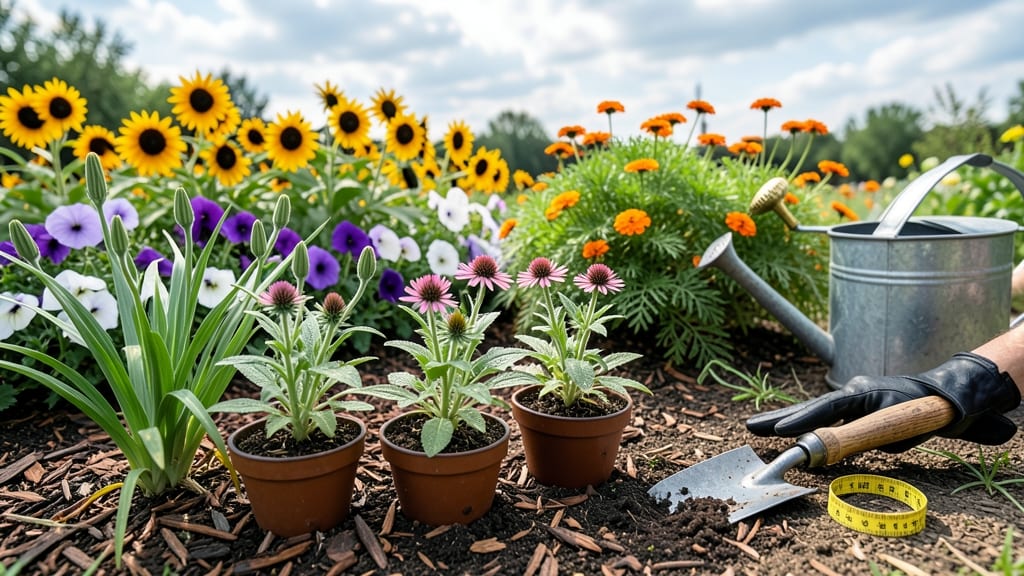
To make a flower bed that bursts with color all season long, you don’t need a green thumb—just a smart plan and the right layering strategy.
The key is balancing tall perennials, mid-height blooms, and low-growing fillers to create depth that keeps your garden looking lush from spring through frost.
Picture this: a low-maintenance flower bed that needs less watering, fewer deadheadings, and still delivers year-round interest. That’s the magic of strategic planting, where each plant plays a role—whether it’s anchoring the back, adding texture, or filling gaps between blooms.
I’ll show you how to design it step by step, from soil prep to the final touches.
Whether you’re starting from scratch or refreshing an old bed, the right plants make all the difference. We’ll cover sunlight needs, color coordination, and even how to avoid common mistakes that leave beds looking sparse. Ready to turn that patch of grass into a showstopper?
The best part? These tricks work for USDA Zone 6a gardens, so you can skip the guesswork and focus on creating a space that’s as functional as it is beautiful. Let’s get your flower bed blooming like never before!
Step-by-step guide to designing a layered flower bed for seasonal color
Creating a layered flower bed isn’t just about throwing plants together—it’s about crafting a dynamic, year-round display that thrives with minimal effort. The 5-layer method ensures every inch of space is used efficiently, with each plant playing a specific role.
Start by sketching your bed’s shape (rectangular, circular, or freeform) and mark the sun exposure—this dictates which plants will thrive.
Before digging, test your soil and amend it with compost or aged manure. Aim for well-draining soil with a pH of 6.0–7.0, which suits most flowers. If your soil is heavy clay, mix in sand or perlite to improve aeration.
A 3-inch layer of mulch after planting will lock in moisture and suppress weeds, saving you hours of maintenance.
-
Step 1: Plan Your Layers
Divide your bed into 5 vertical zones:
- Tall Backdrop (3–6 ft): Coneflowers, Black-Eyed Susans, or Russian Sage
- Mid-Height (1.5–3 ft): Daylilies, Catmint, or Shasta Daisies
- Fillers (6–12 in): Coreopsis, Yarrow, or Lavender
- Ground Covers (3–6 in): Creeping Thyme, Ajuga, or Heuchera
- Seasonal Accents (annuals): Pansies (spring), Zinnias (summer), Mums (fall)
-
Step 2: Mark Plant Spacing
Use stakes or string to outline each plant’s mature size. For example:
- Tall perennials: 18–24 inches apart
- Mid-height: 12–18 inches apart
- Fillers: 6–12 inches apart
-
Step 3: Dig and Amend
Dig holes twice as wide as the root ball and loosen soil. Mix in compost or slow-release fertilizer (10-10-10) to the bottom of each hole. For clay soil, add sand or coconut coir to improve drainage.
-
Step 4: Plant in Reverse Order
Start with the tallest plants at the back, then work forward to ground covers. Gently remove plants from containers, tease roots, and place them at the same depth as they were potted. Backfill with native soil and pat down lightly.
-
Step 5: Water and Mulch
Water deeply to eliminate air pockets, then apply a 3-inch mulch layer (shredded bark or straw). Keep mulch 2 inches away from stems to prevent rot. Water again to settle mulch and hydrate roots.
Color coordination is where the magic happens. Group plants by hue families (e.g., purples, blues, and whites together) to create a cohesive look. For seasonal interest, pair evergreens like Heuchera with spring bulbs like Tulips, and add summer-blooming Black-Eyed Susans for continuity.
Avoid planting everything at once—stagger bloom times so your bed never looks bare.
Don’t overlook texture contrast. Mix feathery foliage (like Fernleaf Yarrow) with bold leaves (like Hostas) and spiky blooms (like Red Hot Poker) to add depth.
This trick makes your bed feel lush even when flowers aren’t in peak bloom. For example, Lamb’s Ear’s fuzzy leaves soften the look of spiky Delphiniums.
After planting, water consistently for the first 2 weeks to encourage root establishment. Use a drip irrigation system or soaker hose to deliver water directly to the roots, reducing evaporation.
In USDA Zone 6a, aim to water deeply 2–3 times per week during the growing season, adjusting for rain. A moisture meter helps avoid over- or under-watering.
To keep your layered bed thriving, deadhead spent blooms regularly and trim back overgrown foliage in early spring. Divide perennials every 3–4 years to prevent crowding, and rotate annuals yearly to refresh the look.
With this approach, your flower bed will bloom nonstop from spring through frost—with minimal work on your part!
Pro tip: Add a stone border or wooden edging to define your bed and keep mulch contained. This also makes weeding easier by creating a clear boundary. For extra flair, top-dress with gravel or decorative rocks in high-traffic areas to reduce erosion.
Top 10 plants for low-maintenance year-round flower beds (by climate zone)
Creating a low-maintenance flower bed that blooms year-round starts with selecting the right plants for your USDA zone. I’ve curated a list of drought-tolerant perennials, self-seeding annuals, and evergreen foliage that thrive with minimal intervention across zones 3–10.
These plants require little pruning, infrequent watering, and natural pest resistance, making them perfect for busy gardeners.
For full-sun gardens (6+ hours of sunlight), prioritize Coneflowers, Black-Eyed Susans, and Russian Sage. In partial shade (3–6 hours of sun), opt for Heuchera, Ajuga, and Hosta varieties.
Each plant was chosen for its seasonal bloom cycle, ensuring your bed never looks bare. Below, you’ll find a comparison table to help you match plants to your garden’s conditions.
| Plant | USDA Zones | Sunlight Needs | Bloom Season | Height | Water Needs |
|---|---|---|---|---|---|
| Coneflower (Echinacea) | 3–9 | Full sun | Summer–Fall | 2–5 ft | Moderate |
| Black-Eyed Susan (Rudbeckia) | 3–10 | Full sun | Summer–Fall | 1–3 ft | Low |
| Russian Sage (Perovskia) | 4–9 | Full sun | Summer–Fall | 3–5 ft | Very low |
| Heuchera (Coral Bells) | 3–9 | Partial shade | Spring–Summer | 1–2 ft | Moderate |
| Ajuga (Bugleweed) | 3–9 | Partial shade | Spring | 6–12 in | Low |
| Daylily (Hemerocallis) | 3–10 | Full sun–Partial shade | Summer | 1–3 ft | Moderate |
| Catmint (Nepeta) | 3–9 | Full sun | Spring–Summer | 1–3 ft | Very low |
| Creeping Thyme | 4–9 | Full sun | Summer | 3–6 in | Very low |
| Zinnia (Self-Seeding) | 3–11 | Full sun | Summer–Fall | 1–4 ft | Moderate |
| Pansy (Annual) | 3–11 | Full sun–Partial shade | Spring–Fall | 6–12 in | Moderate |
For USDA Zone