
Flowers
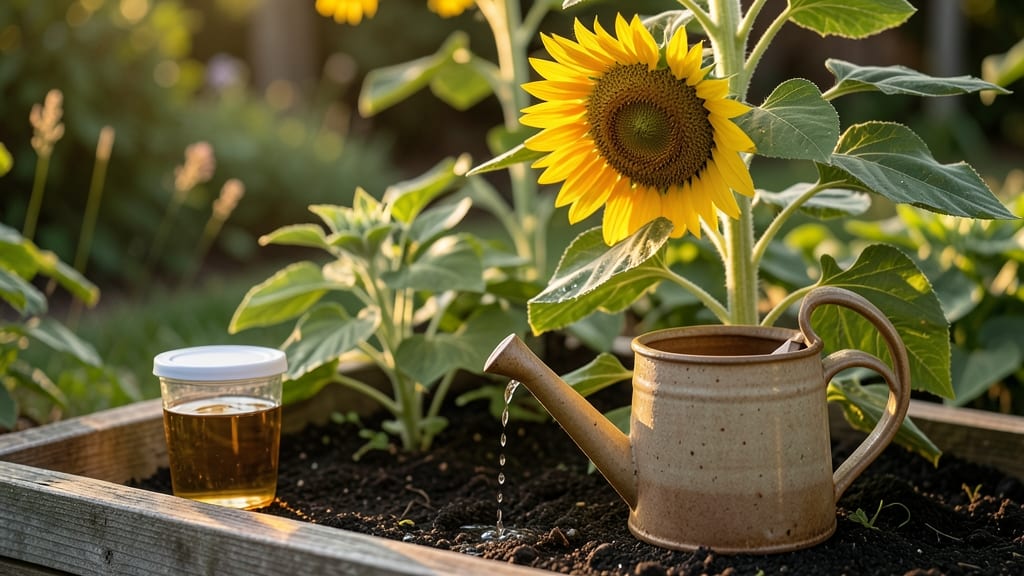
To keep your 🌻 sunflowers thriving, you might be wondering how often do sunflowers need to be watered—but that’s the fastest way to kill their potential.
These towering beauties need a perfect balance, and too much or too little water can stunt their growth or even prevent those iconic blooms from ever appearing.
I’ve learned the hard way that sunflowers aren’t fussy, but they are particular. Their roots dive deep, so shallow watering just wets the surface, leaving them thirsty below. The key is deep, infrequent soaks that encourage strong roots—no more, no less.
Let’s break down exactly how to hit that sweet spot, no matter your soil or climate.
Whether you’re battling dry spells or soggy soil, the right watering routine makes all the difference. You’ll discover how to read your sunflowers’ needs like a pro, from seedlings to full bloom, and avoid the common mistakes that turn lush plants into limp stalks.
Ready to master the art of sunflower hydration? By the end, you’ll know exactly when to reach for the hose—and when to hold back. Let’s get those 🌻 roots growing strong!
Sunflower watering schedule by growth stage: from seedlings to full bloom
Sunflowers are sun-loving giants that need consistent moisture, but their water needs change dramatically as they grow. Overwatering can drown delicate seedlings, while underwatering stresses mature plants during drought. The key is matching their moisture needs to each growth stage, from tiny sprouts to towering blooms.
Let’s break down exactly how often to water sunflowers at every phase—plus how to adjust for heatwaves and dry spells.
Newly sprouted sunflowers have shallow roots and need frequent watering to stay hydrated. Skipping water here can cause seedlings to wilt or dry out within hours. Once they reach 6 inches tall, their roots deepen, allowing them to access moisture more efficiently.
But don’t relax yet—flowering plants demand even more water to support their massive blooms and seed heads. Let’s dive into the precise schedule you need.
During the seedling stage, sunflowers need daily moisture checks. Their tiny roots can’t reach deep water sources, so light, frequent watering is critical. Aim to keep the top 1–2 inches of soil consistently damp—never soggy.
Use a spray nozzle or watering can to avoid disturbing delicate sprouts. If your seedlings wilt by midday, they’re thirsty. A quick soak in the morning usually revives them.
As sunflowers enter the vegetative stage (4–8 weeks), their roots grow 1–2 feet deep, allowing them to access more water. You can space out waterings to every 2–3 days, but always water deeply to encourage root growth.
Shallow watering leads to weak stems that can’t support their eventual height. Mulch with straw or grass clippings to lock in moisture and prevent soil crusting.
When buds form and flowering begins, your sunflowers will drink heavily—sometimes up to 1 gallon per plant per week in hot weather. This is when drought stress becomes visible: buds may drop prematurely, or petals can yellow and crisp.
To prevent this, water early in the morning to reduce evaporation and fungal risks. If temperatures exceed 90°F, increase frequency to every 2 days.
In the seed production phase, mature sunflowers need steady but slightly reduced watering compared to flowering. Overwatering here can cause seeds to split or rot inside their husks. Instead, aim for deep watering every 3–5 days, letting the top 6 inches of soil dry slightly between sessions.
This helps harden seeds for harvest. If your area experiences prolonged drought, prioritize watering younger plants over mature ones—they’re more resilient.
One critical mistake gardeners make is watering at night, which promotes fungal diseases like powdery mildew. Always water before 10 AM so foliage dries quickly. Another tip: avoid wetting leaves when possible—direct the water stream at the base of the plant.
For container-grown sunflowers, check soil moisture daily, as pots dry out 3x faster than ground soil.
If you’re growing sunflowers in sandy soil, they’ll need more frequent watering because moisture drains quickly. In clay soil, water less often but more deeply to prevent waterlogging.
Always test soil moisture with your finger: 1–2 inches deep for seedlings, 3–4 inches for vegetative plants, and 4–6 inches for mature sunflowers. Adjust your schedule based on what you feel—dry soil means it’s time to water.
Pro tip: Group sunflowers together in a dedicated bed to create a microclimate that retains moisture. This works especially well in hot, dry climates like the Southwest or Mediterranean regions. Pair them with drought-tolerant companions like marigolds or cosmos to reduce overall water needs. With
3 Soil test tricks to perfect sunflower watering (no guessing required)
Sunflowers need consistent moisture but hate soggy roots—so how do you strike the perfect balance without over- or underwatering? The answer lies in testing your soil before reaching for the hose.
I’ve tested these three foolproof methods in my own garden, and they’ve saved my sunflowers from both wilting and root rot. Each trick takes just seconds but gives you crystal-clear clues about when to water.
Start with the finger test, the simplest way to check moisture levels. Stick your index finger about 1-2 inches deep into the soil near your sunflower’s base. If it feels dry, it’s time to water.
This mimics how deep sunflower roots actually seek moisture—shallow watering won’t reach them! For mature plants, check 3-4 inches down since their roots dive deeper as they grow.
🌱Pro Tip: Early morning is the best time to test—soil moisture is most accurate before the sun dries it out.
🌿 3 Soil Test Tricks for Sunflower Watering
-
1. Finger Test (1-2" Deep)
✅ Dry = Water now
✅ Moist = Wait 2-3 days
💡 Best for seedlings -
2. Trowel Check (3-4" Deep)
✅ Clumps = Roots are happy
✅ Crumbles = Water deeply
💡 Mature plants only -
3. DIY Moisture Meter
✅ Stick a wooden skewer in soil
✅ Pull out—if clean, water now
💡 Works in containers too
🌻 Adjust watering based on root depth: Seedlings (1-2" deep), Mature (3-4" deep)
Next up is the trowel check, perfect for mature sunflowers with deep roots. Use a small garden trowel to dig a narrow hole about 3-4 inches deep near your plant. If the soil clumps together when you squeeze it, your sunflower’s roots are happy.
If it crumbles like dry sand, it’s time for a deep watering session. This method is especially useful in sandy soil, which drains quickly and can fool finger tests.
For container-grown sunflowers, I swear by the DIY moisture meter trick. Simply insert a wooden skewer or chopstick into the soil near the plant’s base. After 10-15 seconds, pull it out—if it comes out clean, your sunflower needs water.
If it’s damp or dirty, hold off for another day or two. This works like a charm in pots where soil dries out faster than in-ground beds.
Remember, sunflowers hate wet feet, so always water at the base and avoid wetting the leaves. In hot climates, you might need to water every 2-3 days, while cooler weather can stretch that to 4-5 days.
The key is consistency—let the soil dry out slightly between waterings to encourage those deep roots.
💧Final Tip: Mulch around your sunflowers to lock in moisture and keep roots cool. A 2-3 inch layer of straw or shredded leaves works wonders!