
Blooming
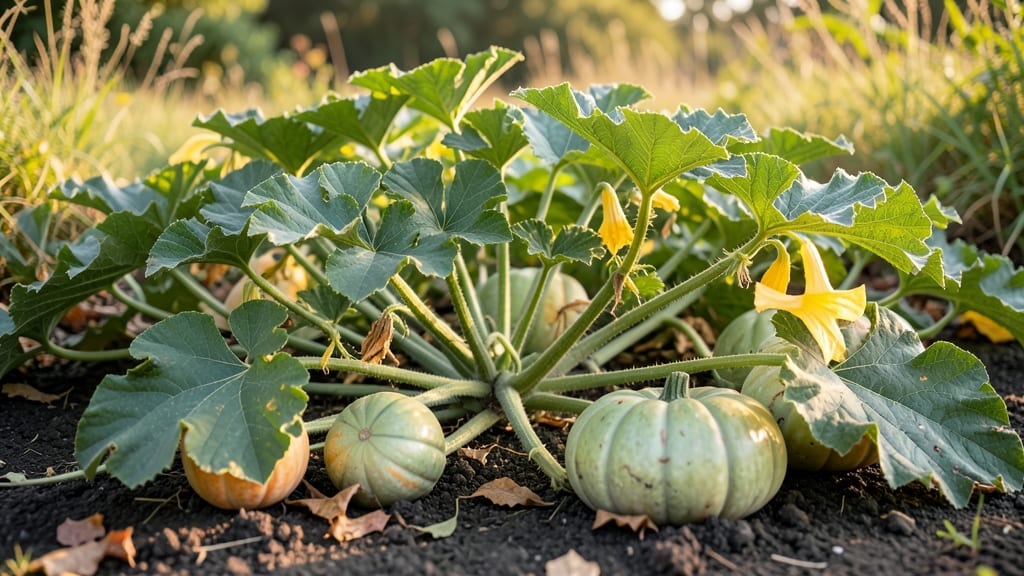
When those first bright orange pumpkin flowers 🎃 appear, you might be wondering how long until you can harvest your own homegrown gourds. The answer isn't as simple as counting days—it depends on the variety, weather, and even how well your pumpkins pollinate.
Most pumpkin varieties take between 45 to 60 days from flower to harvest-ready fruit, but some heirlooms or giant types can stretch that timeline to 90 days or more. Understanding this process helps you plan better and avoid disappointment when your pumpkins don’t mature as quickly as you’d hoped.
In this guide, I’ll break down the exact stages from pollination to a hard-shelled pumpkin, plus the key factors that can speed up or slow down growth. You’ll also learn how to tell if your pumpkin is truly ready to pick—because not every flower turns into a harvest!
Whether you're growing a small jack-o'-lantern or a massive Atlantic Giant, knowing these details makes all the difference. Let’s get into the timeline so you can enjoy your pumpkin patch sooner.
Pumpkin growth stages: flower to fruit timeline explained
Understanding the pumpkin growth timeline starts with the first male and female flowers appearing on your vine. These flowers are critical because only the female flowers—easily identified by their tiny pumpkin-shaped ovary at the base—will develop into fruit.
The male flowers, which lack this ovary, exist solely to pollinate the females.
Once pollination occurs, a fruit set begins, marking the start of the transformation from flower to pumpkin. This process isn’t instantaneous—it’s a biological progression influenced by temperature, sunlight, and soil conditions.
For most common varieties like Howden or Cinderella, you can expect the fruit to develop over 45 to 60 days after successful pollination.
Here’s the breakdown of what happens between the first bloom and harvest-ready pumpkin, including the key stages and their approximate timelines:
| Stage | Action | Timeframe | Key Factors |
|---|---|---|---|
| Pollination | Transfer of pollen from male to female flower | Day 0 | Bees, wind, or hand-pollination |
| Fruit Set | Ovary swells into a small pumpkin | Days 1-7 | Warmth (70-85°F), consistent water |
| Rapid Growth | Fruit expands quickly, vine thickens | Days 8-30 | Full sun, balanced fertilizer |
| Maturation | Rind hardens, color deepens | Days 31-60 | Reduced watering, cooler temps |
| Harvest Ready | Rind resists fingernail, stem dries | Days 45-90+ | Frost risk, vine yellowing |
After pollination, the first 7 days are critical for fruit set. During this time, the ovary of the female flower begins to swell, forming the foundation of your pumpkin. If pollination fails—perhaps due to cool temperatures or lack of bees—this stage can stall entirely, leaving you with no fruit.
Once the fruit is set, the next 30 days are all about rapid growth. This is when your pumpkin will gain most of its size, and the vine will spread aggressively. Providing consistent moisture and full sunlight during this phase ensures your pumpkin doesn’t develop blossom-end rot or cracks.
I’ve found that mulching around the base helps retain soil moisture and keeps roots cool, which is especially important in hot climates.
As the pumpkin enters the maturation phase (around day 30), growth slows, and the focus shifts to rind hardening and color development. This stage is heavily influenced by temperature—cooler nights (around 60-70°F) help sweeten the fruit and thicken the rind.
If your summers are scorching, consider providing light shade cloth during peak heat to prevent sunscald.
Finally, the last 15-30 days before harvest are about monitoring for maturity signs. A pumpkin is ready when its rind can’t be pierced with your fingernail, the stem near the fruit turns brown and dry, and the vine begins to yellow.
Giant varieties like Atlantic Giant may take 90 days or more to reach this stage, while smaller types like Jack Be Little can be ready in as little as 45 days.
One common misconception is that every flower will produce a pumpkin. In reality, only about 50% of female flowers will successfully set fruit, and even then, some may drop off if the plant is stressed.
To maximize your yield, I recommend hand-pollinating by transferring pollen from male to female flowers using a small paintbrush, especially if bees are scarce in your area.
Environmental factors like drought stress or nutrient deficiencies can extend the timeline significantly. For example, a pumpkin vine struggling with low nitrogen may take 2-3 weeks longer to mature.
That’s why I always recommend a soil test before planting and using a balanced fertilizer (like 10-10-10) every 4-6 weeks during the growing season.
Factors that speed up or slow down pumpkin ripening
Understanding what controls your pumpkin's growth timeline is key to getting that perfect harvest. The 45-60 day range from flower to pumpkin can shrink or stretch dramatically based on a few critical factors.
I’ve grown pumpkins for years, and I’ve seen giant varieties take nearly twice as long as smaller types—all because of these variables.
First, let’s talk about sunlight exposure. Pumpkins need at least 6-8 hours of direct sun daily, but more is better. Shade can extend the flowering-to-fruit stage by 10-15 days or more.
I once had a partial shade issue with my Cinderella pumpkins, and they took 75 days instead of the usual 60.
Next, soil nutrients play a huge role. A balanced fertilizer with 10-10-10 NPK helps speed up ripening, but too much nitrogen can delay it by promoting leafy growth over fruit development. I always add compost at planting and a light feed every 4-6 weeks during the growing season.
Watering is another game-changer. Consistent moisture is crucial, especially during flowering and fruiting. Too little water can cause blossoms to drop, while overwatering leads to slow ripening. My rule? Deep watering every 3-5 days in the morning—never at night to prevent fungal issues.
⚠️ ⚠️ WARNING: Common Mistakes That Delay Pumpkin Ripening ⚠️ ⚠️
Temperature also matters. Ideal growing temps are 70-85°F. Below 60°F, growth slows dramatically. I’ve seen pumpkins take 10+ extra days to ripen in cooler springs. If you’re in a short-season area, choose fast-maturing varieties like Jack Be Little (50 days) over Atlantic Giant (120+ days).
Finally, variety selection is non-negotiable. Smaller pumpkins like Sugar Pie ripen in 45-50 days, while giant types need 100+ days. Always check seed packets for days-to-maturity and adjust your garden plan accordingly. With the right conditions, you can shave weeks off the timeline—or risk waiting too long!