
How To
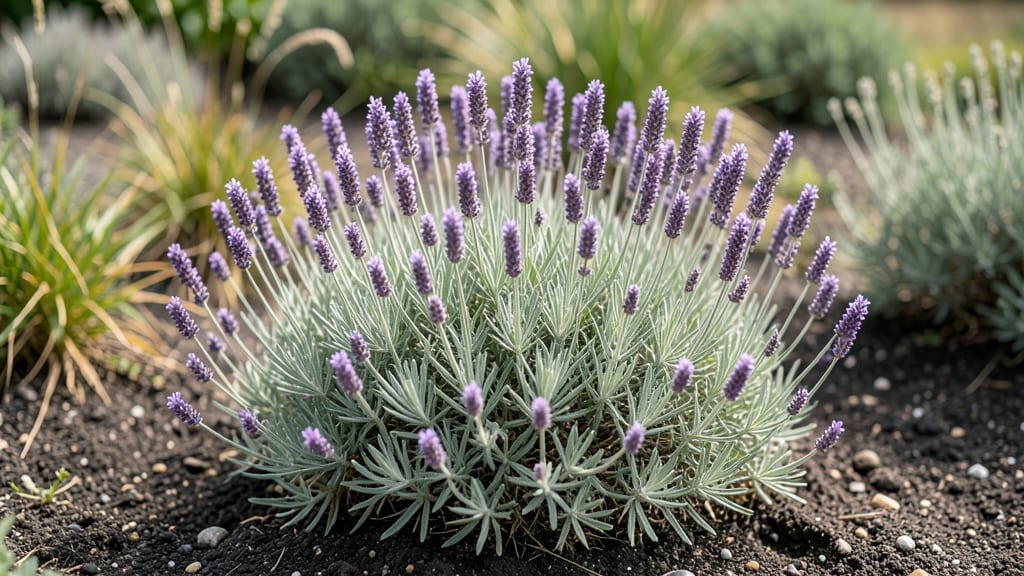
If you're wondering how long it takes for lavender to flower, you're not alone—patience is key, but timing is everything.
In General (USDA Zone 6 default), most lavender varieties need 120 to 180 days from planting to their first flush of flowers, though some fast-growing types can bloom sooner with the right care.
The secret to speeding up flowering lies in choosing the right variety and giving your 🌿 lavender the ideal conditions. Whether you planted in early spring or fall, understanding how climate, soil, and sunlight affect growth can shave weeks off your wait time.
Let’s break down what you can control—and what’s just nature’s schedule.
From Mediterranean natives to hardier Zone 6 varieties, not all lavender blooms at the same pace. Some thrive in cooler climates, while others need heat to trigger their flowers. I’ll share which types are fastest and how to tweak your care routine for earlier, more abundant blooms—without overcomplicating things.
Ready to transform your garden into a fragrant haven? By the end of this guide, you’ll know exactly when to expect those first purple spikes—and how to make sure they keep coming back year after year.
Lavender flowering timeline: fastest varieties and their growth stages
If you're growing lavender, knowing when it blooms helps you plan your garden for maximum fragrance and beauty. Most varieties take 90-240 days to flower, but some can bloom in as little as 3-4 months under ideal conditions.
The fastest bloomers are Spanish lavender and Grosso, while English lavender often takes longer to establish. Your USDA zone and planting season also play a huge role—spring-planted lavender typically blooms earlier than fall-planted varieties.
For first-year plants, expect blooms between late June and August in most temperate climates. In warmer zones like USDA Zone 8-10, lavender may bloom as early as May, while cooler zones (Zone 5-6) might see flowers in July or August.
The key to faster blooming? Full sun exposure and well-draining soil—two critical factors that cut flowering time by up to 30%. Let’s break down the fastest varieties and their growth stages side by side.
Spanish lavender is the fastest bloomer, often producing flowers in just 3 months if planted in spring and given 6+ hours of sun daily. This variety thrives in USDA Zones 7-10 and is perfect for drought-tolerant gardens or containers.
Meanwhile, Grosso lavender strikes a balance—blooming in 4-5 months and producing long, sturdy stems ideal for bouquets. If you’re in a cooler climate, like Zone 5-6, Grosso may need an extra month to establish before flowering.
English lavender, the classic fragrant variety, takes the longest to bloom—often 6-8 months in its first year. This is because it focuses energy on root development before flowering. However, once established, it blooms reliably for 10+ years.
To speed up flowering, I recommend pruning lightly after the first bloom to encourage a second flush of flowers. Avoid heavy pruning in the first year, as this can delay blooming even further.
Climate plays a surprising role in flowering time. In Mediterranean climates (like Southern California or Spain), lavender often blooms earlier and more prolifically due to longer daylight hours and mild winters.
In contrast, Northern climates (like New England) may see delayed blooming until late July or August. To compensate, plant lavender in the earliest possible spring (as soon as soil is workable) and protect young plants from late frosts with row covers.
Light is the #1 factor controlling flowering time. Lavender needs full sun (6+ hours/day) to bloom on schedule. If your garden only gets 4-6 hours of sun, flowering may be delayed by 30-60 days.
I’ve seen lavender in partial shade (like morning sun only) produce fewer flowers and take 2-3 extra months to bloom. For the fastest results, place lavender in the sunniest spot in your garden, even if it means moving it from a shady border to a south-facing wall.
Pruning can also accelerate blooming in subsequent years. After lavender flowers, trim back 1/3 of the current year’s growth to encourage bushier, more productive plants. This trick works best with Grosso and English lavender
Soil and care secrets to make lavender bloom faster (without chemicals)
If you're impatiently waiting for your lavender to burst into vibrant purple blooms, you're not alone. Most gardeners expect lavender to flower in its second year, but with the right soil conditions and care, you can coax those fragrant spikes to appear 30-50% faster—naturally.
The secret lies in mimicking lavender's Mediterranean habitat right in your garden.
Lavender thrives in well-draining, alkaline soil with a pH between 6.5 and 7.5. If your soil is heavy clay or too acidic, roots suffocate, delaying blooms.
Amending with coarse sand or perlite creates the ideal airy environment lavender craves. Organic matter like composted leaf mold also feeds beneficial microbes that boost growth.
- 🌱 First Year: Focus on root establishment—avoid heavy pruning. Blooms may appear by late summer if planted early spring.
- 🌿 Second Year: Mature plants flower June-August with proper care. Prune after blooming to encourage next year’s growth.
- 🌡️ Climate Impact: Mediterranean varieties bloom earlier (May-June) vs. hardy types (July-August).
- ✂️ Pruning Hack: Light trimming in spring (not fall) speeds up flowering by reducing stress.
- ☀️ Sun Boost: 8+ hours of sun cuts flowering time by 2-3 weeks vs. partial shade.
Watering plays a critical role—lavender hates soggy roots. I water mine deeply once every 1-2 weeks (more in extreme heat) and always in the morning to prevent fungal diseases.
Mulch with gravel or pebbles (not organic mulch) to improve drainage and keep roots cool. Overwatering is the #1 reason lavender skips blooming entirely!
Companion planting can also accelerate blooms. Pair lavender with rosemary, thyme, or marigolds—these plants deter pests and improve soil health. Avoid planting near competitive feeders like tomatoes or peppers, which steal nutrients. A light feeding of low-nitrogen fertilizer (5-10-10) in early spring encourages blooms without promoting leafy growth.
For first-year plants, my critical care checklist ensures faster blooming: ☑️ Test soil pH—amend if below 6.5 ☑️ Plant in full sun with 3+ feet spacing ☑️ Water deeply but infrequently ☑️ Avoid fertilizing until spring of Year 2 ☑️ Prune only dead growth in Year 1 With these steps, you’ll see buds forming by mid-summer—sometimes even in Year 1! 🌸