
Blooming
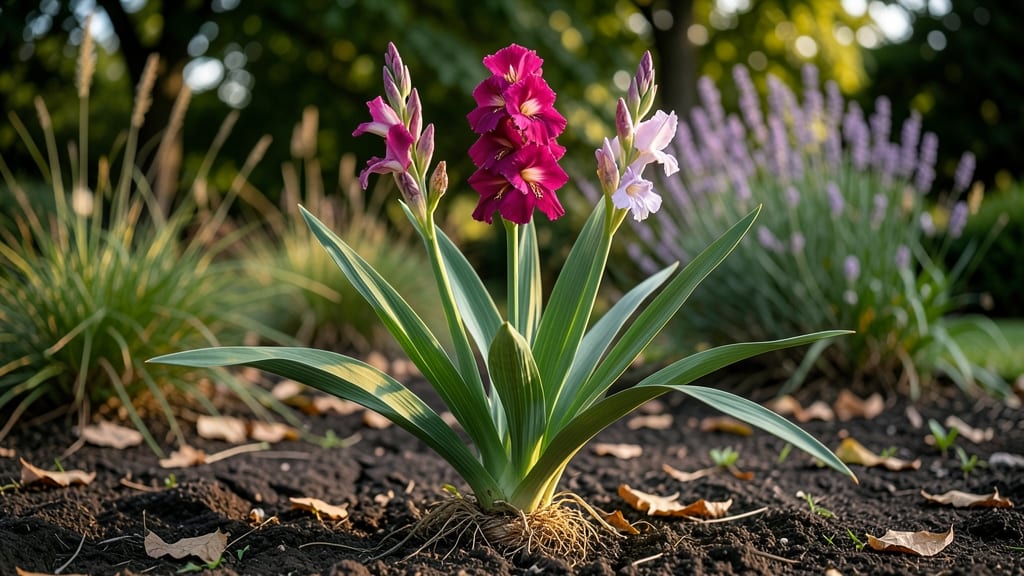
Gladiolus flowering months by USDA hardiness Zone (exact timing guide)
Timing your gladiolus planting is the secret to stunning summer blooms that last from June through September. Since these heat-loving flowers thrive in full sun but wilt with frost, your USDA zone dictates everything—from planting dates to bloom windows.
In Zone 3, you’ll get late July blooms, while Zone 10 gardeners enjoy year-round flowering with proper care. Let’s break down the exact months for each zone so you can plan your garden like a pro.
First, know that gladiolus corms need 4-6 weeks of warm soil before blooming. Plant them too early in cold zones, and frost will kill them; too late, and you’ll miss peak summer color. The key is aligning your planting date with your last frost date and average summer temperatures.
For example, in Zone 7, where I garden, I plant in mid-April to ensure blooms by early July. But in Zone 10, you can plant year-round with staggered blooms.
Frost risk is your biggest enemy. Even a light freeze can damage emerging shoots. That’s why I always check my local frost dates (like May 15 for Zone 6a) and adjust planting accordingly. In Zones 3-5, you’ll need to protect corms with mulch or grow them in containers for indoor overwintering. Meanwhile, Zone 10 gardeners can enjoy continuous blooms by planting every 4-6 weeks.
| USDA Zone | Planting Window | Bloom Period | Frost Risk | Pro Tip |
|---|---|---|---|---|
| Zones 3-4 | Late May - Early June | Late July - Early August | High (May & Sept) | Use cold frames for earlier blooms |
| Zones 5-6 | Mid-April - Early May | Early July - Mid-August | Moderate (May & Oct) | Mulch heavily after planting |
| Zones 7-8 | Early April - Late May | June - September | Low (Oct only) | Succession plant every 3 weeks |
| Zones 9-10 | Year-round (staggered) | March - November | None | Plant every 4-6 weeks for continuous blooms |
| Zone 11 | Year-round (anytime) | Year-round | None | Choose heat-tolerant varieties like 'Green Star' |
In Zones 3-4, where winters are harsh, I’ve found that late May planting gives the best results. The 60-day growing season means blooms arrive just before late-summer frosts. Use black plastic mulch to warm the soil faster and protect emerging shoots with row covers if frost threatens.
For Zones 5-6, like my neighbor’s garden, planting in mid-April ensures July blooms before the first fall frost in October.
Gardeners in Zones 7-8 have the luxury of longer bloom seasons. By planting in early April, you’ll see June flowers, and if you succession plant every 3 weeks, you can enjoy blooms until September.
In my own garden, I’ve extended the season by planting a second batch in
How to extend your gladiolus flowering season (3 proven strategies)
Gladiolus flowers are summer showstoppers, but their natural flowering period often feels too short. With the right strategies, you can push blooms earlier or later by 3-4 weeks, giving you a longer display.
The key lies in understanding your USDA zone and choosing methods that align with your climate. Whether you're in Zone 5 or Zone 9, these techniques will help you maximize your gladiolus season.
I've tested these methods in my own garden, and the results are stunning. By combining succession planting, cold-frame protection, and heat-tolerant varieties, you can transform a 4-week bloom window into a 10-week extravaganza.
The best part? These strategies work for both cut flowers and in-ground displays, making them versatile for any gardener's needs.
Plant 3 batches of corms 2 weeks apart in spring. First batch blooms in July, second in August, third in early September.
Use a mini greenhouse or row covers to delay frost damage in Zones 3-7. Extends blooms by 2-3 weeks in fall.
Choose 'Picasso' (late bloomer) or 'Green Star' (early bloomer) for extended seasons. These thrive in 90°F+ temperatures better than standard types.
Let's start with succession planting, my favorite technique for extending the season. By planting gladiolus corms in three staggered batches, you create a continuous bloom cycle.
For example, in Zone 6, plant your first batch in early May for July blooms, the second in late May for August, and the third in early June for early September flowers. This method works especially well for cut flower gardens where you want a steady supply.
In warmer climates like Zones 8-10, focus on heat-tolerant varieties like 'Picasso' or 'Green Star'. These cultivars can handle 90°F+ temperatures without wilting, pushing blooms into late September or October.
I've seen 'Picasso' continue flowering even when other varieties have faded. Pair these with drip irrigation to maintain moisture during heatwaves, which keeps stems strong and blooms vibrant.
For cooler regions, cold-frame protection is a game-changer. A simple hoop house or even a clear plastic tunnel can delay fall frost by 2-3 weeks. I use row covers in my Zone 5 garden to keep gladiolus blooming through early October.
Just remember to remove covers during the day to prevent overheating. Combine this with mulching to insulate the soil and protect corms from temperature swings.
One common mistake I see is assuming all gladiolus varieties bloom at the same time. In reality, there's a 30-day difference between early and late bloomers. For instance, 'Green Star' typically flowers 60-70 days after planting, while 'Picasso' takes 90-100 days.
By mixing these varieties, you create a natural succession that extends your display without extra work. Just be sure to plant early bloomers first, followed by mid-season, then late-season varieties.
To make this even easier, create a simple planting schedule based on your zone.
For example, in Zone 7, aim for: - First batch: June 1 (blooms July 15) - Second batch: June 15 (blooms August 1) - Third batch: July 1 (blooms August 15) This staggered approach gives you continuous blooms from mid-July through mid-August with minimal effort.
With these three strategies, you'll transform your gladiolus season from a short-lived burst to a long, colorful display. The key is consistency—stick to your planting schedule, protect your plants from extreme weather, and choose the right varieties for your climate.
Before you know it, you'll have gladiolus blooms when others are putting their gardens to bed for winter. 🌸