
Blooming
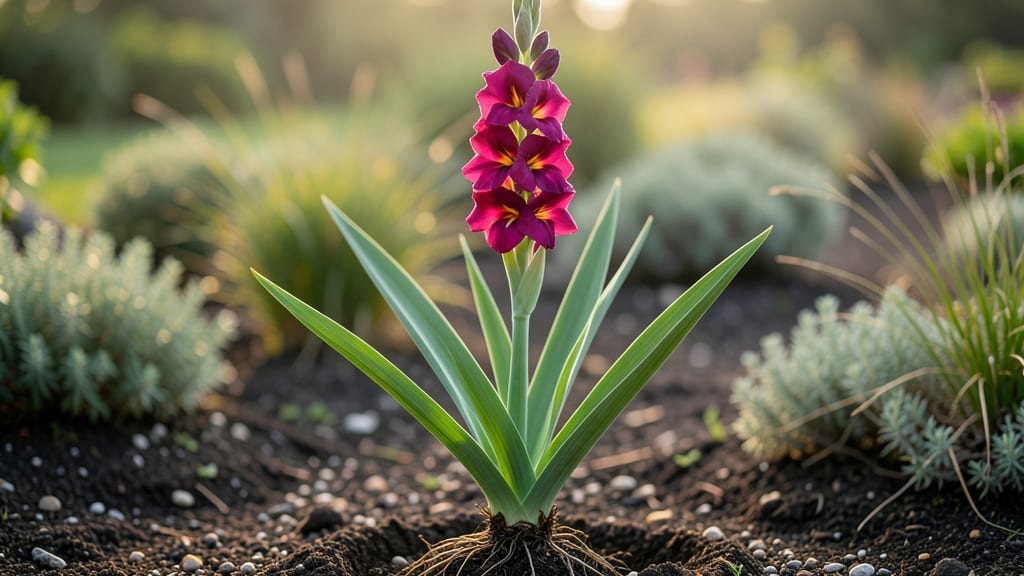
Gladioli flowering season timeline: when and how long do they bloom?
Gladioli bring dramatic vertical interest to summer gardens with their towering spikes of vibrant blooms. Their flowering season typically spans July through September, but with the right varieties and care, you can extend their display from early June to October.
Understanding this timeline helps you plan for peak bloom periods and choose varieties that align with your local climate.
In USDA zones 3-10, gladioli thrive in warm weather, making them perfect for summer gardens. Early bloomers like 'Early Furore' start in late June, while late varieties such as 'Dixieland' can extend blooms into early fall.
Proper planting timing and care can shift these windows slightly, ensuring your garden stays colorful longer.
The duration of gladioli blooms depends on variety, care, and climate. Individual spikes produce 10-20 flowers that bloom sequentially over 2-3 weeks per spike. With consistent care, you can encourage multiple spikes per corm, extending your garden's floral display.
| Month | Bloom Stage | Key Varieties | Care Tips |
|---|---|---|---|
| June | Early blooms begin | 'Early Furore', 'Green Star' | Stake tall varieties; fertilize lightly |
| July | Peak flowering | 'Black Star', 'Picasso' | Deadhead spent blooms; water deeply |
| August | Extended blooms | 'Dixieland', 'White Friendship' | Add mulch; monitor for pests |
| September | Late blooms | 'Red Beauty', 'Snow Princess' | Reduce watering; prepare for dormancy |
| October | Post-bloom care | All varieties | Cut back foliage; dig corms in colder zones |
In cooler zones (3-5), gladioli may bloom slightly later, starting in late July and lasting until early September. The key is planting early-maturing varieties and ensuring soil stays warm. Use black plastic mulch to accelerate soil warming and extend the season.
For warmer zones (8-10), gladioli can bloom year-round with proper care. Plant in fall or winter to avoid summer heat stress. Varieties like 'White Friendship' thrive in these conditions, offering blooms from May through November with minimal dormancy.
To extend the blooming season, choose a mix of early, mid, and late-season varieties. Plant early bloomers in spring and late bloomers in early summer for staggered displays. Deadheading spent blooms encourages new flowers, while consistent watering and fertilization keeps plants healthy.
Gladioli also respond well to cutting for bouquets. Harvest stems when the bottom bud opens but others remain closed. Place cuttings in water immediately to preserve vase life. This practice can stimulate additional spikes from the same corm, prolonging your garden's floral show.
After blooming, gladioli enter dormancy. In zones 3-7, dig up corms in late fall and store them in a cool, dry place until spring. In warmer zones (8-10), corms can remain in the ground year-round with a thick mulch layer for winter protection.
With the right variety selection and care, gladioli can transform your garden into a season-long spectacle. Experiment with colors, heights, and bloom times to create a dynamic display that keeps your outdoor space vibrant from summer to early fall. 🌸
Best months to plant gladioli for peak summer flowers: a Zone-by-Zone guide
Timing your gladioli planting is the secret to bold summer blooms that last from June through September. Since gladioli are warm-season plants, they need soil temperatures above 60°F (15°C) to thrive.
Planting too early in cold climates can stunt growth, while late planting in hot zones may cause heat stress. Let's explore the optimal planting windows by USDA zone to maximize your floral display.
In USDA zones 3-5, where winters are harsh, aim to plant gladioli corms 4-6 weeks after your last frost date, typically in late April to early May. This timing ensures the soil has warmed enough to support root development before summer heat arrives.
For example, in Zone 4, planting in mid-May gives you blooms starting in late July, just in time for peak summer color.
- Zones 3-5: Plant late April-May (soil 60°F+). Blooms July-September.
- Zones 6-7: Plant April-May or early June for fall blooms.
- Zones 8-10: Plant fall (Sept-Oct) or early spring (Feb-Mar).
- Soil Prep: Loosen soil to 6-8 inches deep and mix in compost.
- Spacing: Plant corms 4-6 inches apart for full spikes.
- Depth: Bury corms 4-6 inches deep (twice as deep as corm height).
- Mulch: Use black plastic mulch in cooler zones to warm soil faster.
For USDA zones 6-7, you have flexibility with two planting windows: spring (April-May) for summer blooms and early June for late-season color. In Zone 7, planting in mid-May yields blooms by early July, while June planting extends flowers into September.
This staggered approach creates a continuous floral show from summer through early fall.
In warmer climates (zones 8-10), gladioli can bloom year-round with proper care. Plant in fall (September-October) to avoid summer heat stress, or try early spring (February-March) for blooms by May.
Varieties like 'White Friendship' thrive in these conditions, offering near-continuous blooms with minimal dormancy. Just be sure to provide afternoon shade during peak summer heat to prevent wilting.
Adjust your planting schedule based on your local microclimate. If your garden gets intense afternoon sun, plant slightly earlier to avoid heat stress. In cooler microclimates, extend the season by using row covers or planting near south-facing walls that absorb heat.
Always check your last frost date and adjust planting by 4-6 weeks to account for soil warming.
Remember that soil temperature matters more than air temperature. Use a soil thermometer to confirm your soil has reached 60°F (15°C) before planting. If your soil stays cool, try planting in raised beds or use black plastic mulch to accelerate warming.
With the right timing, your gladioli will reward you with towering spikes of vibrant blooms that dominate your summer garden. 🌸