
Blooming
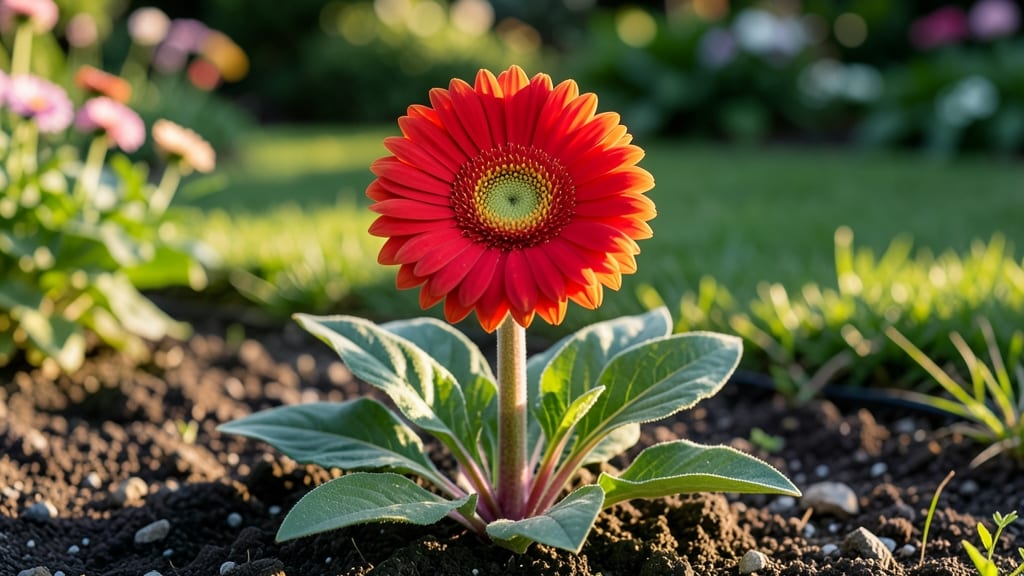
Want to unlock the secret to the gerbera flowering time that keeps your daisies 🌼 vibrant from month to month? The timing of their blooms isn’t just luck—it’s all about understanding their natural rhythm and giving them the right care at the right moment.
Gerberas typically flower from June through October, but whether you’re in zone 6a or a warmer climate, small adjustments can make all the difference.
Planting them in April or May (after the last frost) sets the stage for their first big show, but without proper light, water, and deadheading, those vibrant blooms might fade faster than you’d like.
Here’s the game-changer: most gardeners don’t realize how much control they have over extending the flowering season. With just a few simple tweaks—like morning watering, full sun exposure, and regular deadheading—you can turn a 3-month bloom cycle into a 6-month spectacle.
Let’s break down exactly when gerberas bloom, what triggers their flowers, and how to keep them producing those cheerful blooms all season long—no green thumb required.
Natural gerbera flowering seasons by climate Zone
Gerbera daisies love to bloom when conditions align, but their flowering windows shift dramatically based on your climate zone. In temperate regions, like USDA Zones 6-9, gerberas typically burst into color from late spring to early fall, while tropical zones enjoy year-round blooms with proper care.
The difference? Daylight hours and temperature triggers like vernalization (cold exposure) or photoperiodism (light sensitivity) dictate when buds open.
Understanding these patterns helps you time plantings for maximum blooms. For example, northern gardeners often start gerberas indoors in March to catch the spring bloom rush, while southern growers can plant directly in fall for winter color.
Let’s break down how latitude, temperature, and light create these natural flowering cycles.
🌼 Key Insight: Gerberas are short-day plants in cooler climates, meaning they bloom when daylight shrinks—but in tropical zones, they often flower year-round if given consistent warmth and light. This dual nature makes them adaptable but requires zone-specific adjustments for peak performance.
| Climate Zone | Natural Blooming Window | Daylight Trigger | Temperature Needs | Growing Tips |
|---|---|---|---|---|
| Tropical (Zones 10-12) | Year-round (peaks spring/fall) | 12+ hours light (minimal photoperiodism) | 65–85°F (consistent warmth) | Use shade cloth in summer; mulch to retain heat. |
| Temperate (Zones 6-9) | May–October (after last frost) | Short-day response (10–12 hours light) | 55–75°F (cooler nights trigger buds) | Plant after frost; deadhead spent blooms for continuity. |
| Cold (Zones 3-5) | June–September (short season) | Long daylight tolerance (14+ hours) | 60–70°F (needs summer heat) | Start seeds indoors; extend season with row covers. |
| Desert (Zones 7-9) | Fall–Spring (avoids summer heat) | Short-day adapted (blooms with cooler temps) | 50–75°F (needs afternoon shade) | Water deeply at base; use drip irrigation. |
In tropical zones (Zones 10-12), gerberas thrive with year-round blooms because they experience minimal temperature swings and consistent 12+ hours of daylight. The key here is heat management—gerberas hate midday summer sun in these regions, so partial shade and even moisture are critical.
I’ve seen gerberas in Hawaii bloom every month when grown in well-draining volcanic soil with morning sun and afternoon shade.
For temperate climates (Zones 6-9), the spring-to-fall window aligns with warmer soil temperatures and longer daylight. However, gerberas need a cool snap in late winter (vernalization) to trigger bud formation.
If you’re in Zone 7 or 8, plant gerberas in early spring and again in late summer for a double bloom. My Zone 8 garden produces continuous blooms from May to October with this strategy.
💡 Pro Tip: In cooler climates (Zones 3-5), gerberas act like annuals because they can’t survive winter frosts. To maximize blooms, start seeds indoors in March and transplant after the last frost. Use black plastic mulch to warm the soil faster and extend the season. I’ve had gerberas bloom until mid-October in Zone 5 with this method.
Desert climates (like Zone 7b in Arizona) present unique challenges. Gerberas avoid summer heat, so they bloom in fall and spring when temperatures drop below 90°F. Here, drip irrigation and afternoon shade are non-negotiable.
I’ve grown gerberas in Tucson by planting them near mesquite trees for natural shade and watering only at dawn to prevent fungal issues.
Regardless of your zone, photoperiodism (light sensitivity) plays a huge role. Gerberas in northern latitudes bloom when daylight shortens, while those in southern latitudes may need artificial shade to prevent bolting (premature flowering).
For container growers, moving pots to shadier spots in summer can extend blooming into fall.
One common
How to extend gerbera blooming with light and temperature control
Gerbera daisies thrive with 6+ hours of sunlight and warm soil temperatures, but many gardeners struggle to extend their blooming season beyond summer. The secret lies in light supplementation and temperature management, especially for container growers or those in cooler climates.
With the right adjustments, you can push flowering cycles by 4-6 weeks—even indoors!
Gerberas are photoperiod-sensitive, meaning their blooming triggers depend on daylight length. In shorter days (fall/winter), they may stop producing buds entirely. By combining grow lights with soil warmth, you can trick your plants into continuous flowering. Let’s explore the most effective methods to maximize your gerbera’s bloom time.
-
1. Supplement with LED grow lights
Use 12-16 hour photoperiod (6 AM-8 PM) with 5000-6500K bulbs to mimic summer daylight. Place lights 6-12 inches above plants. -
2. Warm soil with black plastic mulch
Cover soil with black landscape fabric to raise temps by 5-10°F. Ideal soil temp for blooming: 65-75°F. -
3. Deadhead daily to reset cycles
Remove spent blooms within 24 hours to signal plants to produce new buds. Use clean pruners to avoid disease. -
4. Fertilize with bloom boosters
Switch to high-phosphorus (10-20-10) fertilizer every 3 weeks. Phosphorus triggers flowering hormones. -
5. Rotate containers for even light
Turn pots quarter-turn daily to prevent one-sided growth and ensure all buds receive equal sunlight.
For indoor gerberas, a south-facing window combined with a 15-watt LED grow light can double your blooming season. Place the light on a timer to avoid 24-hour exposure, which stresses plants. In containers, use heat mats (set to 70°F) to maintain root warmth—critical for bud formation.
Watch for bud drop as a sign of stress. If buds fall before opening, your plant may need more humidity (mist leaves daily) or cooler nights (60-65°F). Gerberas in USDA Zone 5 or colder should be moved indoors before first frost and placed near bright windows with supplemental light.
With these adjustments, your gerberas can bloom continuously from spring to early fall, even in less-than-ideal conditions. The key is consistency—light, warmth, and deadheading work together to extend their natural flowering cycle by up to 6 months! 🌸