
Light Requirements
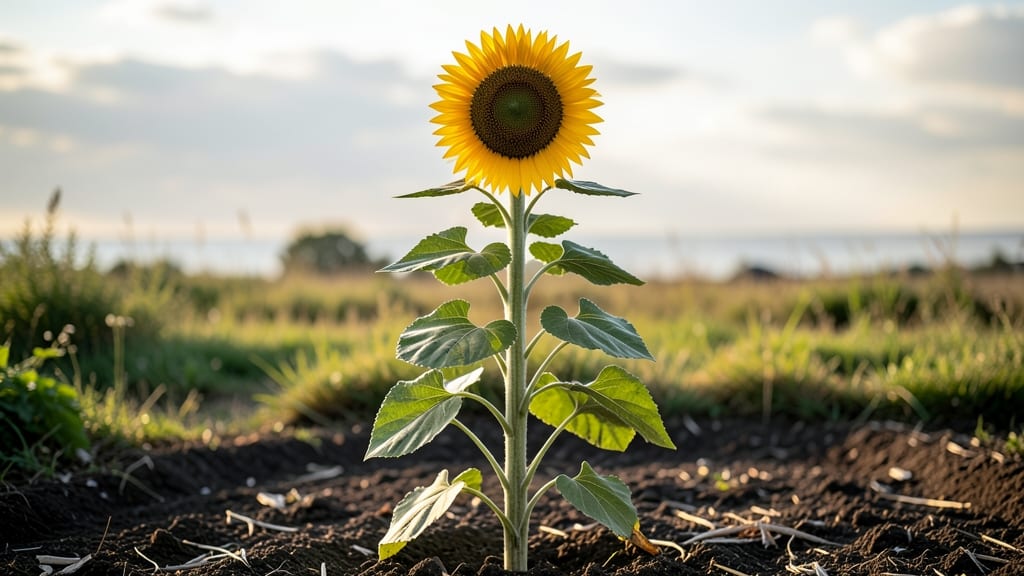
There’s nothing quite like watching a full-grown mammoth sunflower stretch toward the sky—until you realize most gardeners never see their full potential. These giants can reach 14 feet tall, but only with the right light, soil, and care.
If you’ve ever planted one and ended up with a floppy stalk instead of a towering beauty, you’re not alone.
The secret to growing a Mammoth Sunflower isn’t just luck—it’s science. From 6+ hours of sunlight daily to spacing seeds 18-24 inches apart, every detail matters. I’ll show you exactly how to give your sunflowers the support they need to grow tall, strong, and show-stopping.
Whether you’re dreaming of sunflowers taller than your fence or just want blooms that turn heads, this guide covers everything: from ideal planting times in USDA Zone 6a to watering tricks that prevent weak stems. Let’s turn those 8-foot plants into sky-scraping giants.
Ready to grow sunflowers that make your neighbors jealous? The best time to start is April or May, when the soil warms and the days grow longer. Let’s get those seeds in the ground—and watch them grow.
How tall do Mammoth sunflowers grow? Height expectations & record-breaking varieties
Mammoth sunflowers are the giants of the garden world, capable of reaching heights that will make your neighbors do a double take. With the right growing conditions, these towering beauties can stretch up to 14 feet tall—that's taller than most basketball hoops!
However, their final height depends on several factors, including genetics, sunlight exposure, and soil quality. Understanding these variables will help you grow sunflowers that rival the world's tallest varieties.
Not all Mammoth sunflowers reach the same height—some varieties max out at 8-10 feet, while others like the 'Russian Giant' variety can shatter records with 12-14 foot stalks. The key to unlocking their full potential lies in providing optimal growing conditions from seed to bloom.
Let's explore what makes these sunflowers grow so tall and how you can maximize their height in your own garden.
| Variety | Mature Height | Bloom Time | Key Features |
|---|---|---|---|
| Russian Giant | 12-14 ft | 90-100 days | Largest variety; needs staking |
| Mammoth Russian | 10-12 ft | 85-95 days | Classic giant; great for cut flowers |
| Autumn Beauty | 8-10 ft | 80-90 days | Multi-colored blooms; slightly shorter |
| Mammoth Single | 9-11 ft | 85-95 days | Single blooms; sturdy stalks |
| American Giant | 10-12 ft | 90-100 days | Classic heirloom; needs space |
Genetics play the biggest role in determining how tall your Mammoth sunflowers will grow. The 'Russian Giant' variety, for example, holds the record for the tallest sunflower ever grown at 14.5 feet! However, even within the same variety, individual plants can vary by 1-2 feet depending on growing conditions.
If you want to push your sunflowers to their maximum height potential, focus on providing full sun exposure, nutrient-rich soil, and consistent moisture.
Sunlight is the most critical factor in sunflower growth. These plants thrive in 6+ hours of direct sunlight daily, but they'll grow even taller with 8+ hours. If your garden receives partial shade, your sunflowers will still grow, but their stalks may only reach 6-8 feet.
To maximize height, choose the sunniest spot in your yard and avoid planting near tall trees or structures that could cast shade as the plants grow.
Soil quality directly impacts how tall your Mammoth sunflowers will grow. These heavy plants need well-draining soil rich in organic matter to support their massive root systems. Before planting, amend your soil with compost or aged manure to provide essential nutrients like nitrogen, phosphorus, and potassium.
Poor soil quality can stunt growth, resulting in sunflowers that only reach half their potential height. A simple soil test can reveal any deficiencies you should address before planting.
Watering habits also influence sunflower height. While these plants are drought-tolerant once established, consistent moisture during the growing season is crucial for maximizing stalk height. Deep watering 2-3 times per week (about 2 gallons per plant) encourages strong root development, which supports taller growth.
Underwatering can lead to weak stems that struggle to support the weight of large blooms, often resulting in sunflowers that topple over before reaching their full height.
Even with perfect growing conditions, some Mammoth sunflowers may not reach their maximum height potential. Wind, pests, and diseases can all stunt growth or damage stalks. To protect your towering sunflowers, consider staking or caging them early in the growing season.
This provides support and prevents them from bending or breaking under their own weight. Without proper support, even the healthiest sunflowers may only grow to 8-10 feet instead of their full 12-14 foot potential.
If you're aiming for record-breaking heights, pay attention to the spacing between plants. Mammoth sunflowers need 18-24 inches of space between each plant to prevent competition for nutrients and sunlight.
Crowded plants will grow shorter and weaker, often reaching only 6-8 feet in height. Proper spacing allows each plant to develop a strong root system and reach its full genetic potential.
For gardeners in cooler climates, timing is everything. Planting Mammoth sunflowers too late in the season can result in shorter plants that don't reach maturity before the first frost.
Aim to plant seeds 4-6 weeks before your last frost date to give the plants enough time to grow to their full height. In warmer climates, you can extend the growing season by planting successive crops every 2-3 weeks for continuous blooms.
With the right care, your Mammoth sunflowers can become the tallest plants in your garden, reaching heights that will impress everyone who sees them. Remember that genetics set the baseline, but optimal growing conditions can push
Step-by-step care guide: soil, watering, and support for giant sunflower stalks
Growing a full-grown mammoth sunflower to its towering potential requires more than just planting seeds—it’s about creating the perfect foundation. The difference between a 10-foot stalk and a 14-foot giant often comes down to soil prep, watering consistency, and structural support.
I’ve learned the hard way that skipping these steps leads to floppy stems and stunted growth, so let’s fix that together.
Your sunflower’s strength starts in the soil. These giants thrive in well-draining, nutrient-rich soil with a pH between 6.0 and 7.0. Before planting, amend your garden bed with compost or aged manure—I mix in about 2-3 inches to give those deep roots the nourishment they crave.
Avoid heavy clay soils, which can suffocate roots and lead to weak stalks that topple under their own weight.
- Step 1: Test Soil – Use a soil test kit to check pH and nutrient levels. Adjust with lime (for acidic soil) or sulfur (for alkaline soil).
- Step 2: Amend Soil – Mix in 2-3 inches of compost or well-rotted manure. For heavy clay, add sand or perlite to improve drainage.
- Step 3: Plant Deeply – Bury seeds 1 inch deep, spacing them 18-24 inches apart to allow room for thick stalks.
- Step 4: Water Deeply – Soak the soil to 12 inches deep immediately after planting. Use a drip irrigation system or hose with a gentle spray to avoid disturbing seedlings.
- Step 5: Stake Early – Install 3-4 foot stakes at planting time, tying the main stem loosely with soft plant ties as it grows. This prevents wind damage and encourages upright growth.
- Step 6: Mulch Heavily – Apply 3-4 inches of mulch (straw or wood chips) to retain moisture and suppress weeds, which compete for nutrients.
- Step 7: Monitor Watering – Water deeply every 3-5 days during dry spells, aiming for 2000ml per plant. Avoid wetting the leaves to prevent powdery mildew.
Watering is where most gardeners go wrong. Mammoth sunflowers need consistent moisture, especially during their rapid growth phase from June to August. I water mine deeply every 3-5 days, ensuring the soil stays moist but not soggy.
A drip irrigation system is my secret weapon—it delivers water directly to the roots without wetting the leaves, which helps prevent fungal diseases like powdery mildew. If you’re hand-watering, aim for the base of the plant in the early morning to reduce evaporation.
Support is non-negotiable for these towering beauties. Without proper staking, even the sturdiest stalks will bend or snap under their own weight. I install 3-4 foot stakes at planting time, driving them 6 inches deep into the soil.
As the sunflower grows, I use soft plant ties to loosely secure the main stem to the stake—never too tight, or you’ll restrict growth. For extra stability, I’ve even used tomato cages or bamboo stakes in groups of three for larger varieties like 'Russian Giant'.
Seasonal adjustments are key to keeping your mammoth sunflower thriving. In summer’s peak heat, increase watering to every 2-3 days and watch for signs of stress like yellowing leaves. In fall, reduce watering to every 5-7 days as the plant prepares for dormancy.
I also remove any dead or diseased leaves to improve airflow and prevent fungal spread. These small tweaks make a huge difference in stalk strength and bloom quality.
Don’t let common mistakes derail your sunflower’s growth. I’ve seen gardeners over-fertilize, leading to weak, leggy stalks, or under-water, causing stunted blooms. Stick to a balanced 10-10-10 fertilizer applied every 4-6 weeks during the growing season, and always water deeply rather than frequently.
With these steps, your full-grown mammoth sunflower will reach its sky-scraping potential—turning heads and filling your garden with golden sunshine.