
Flowers
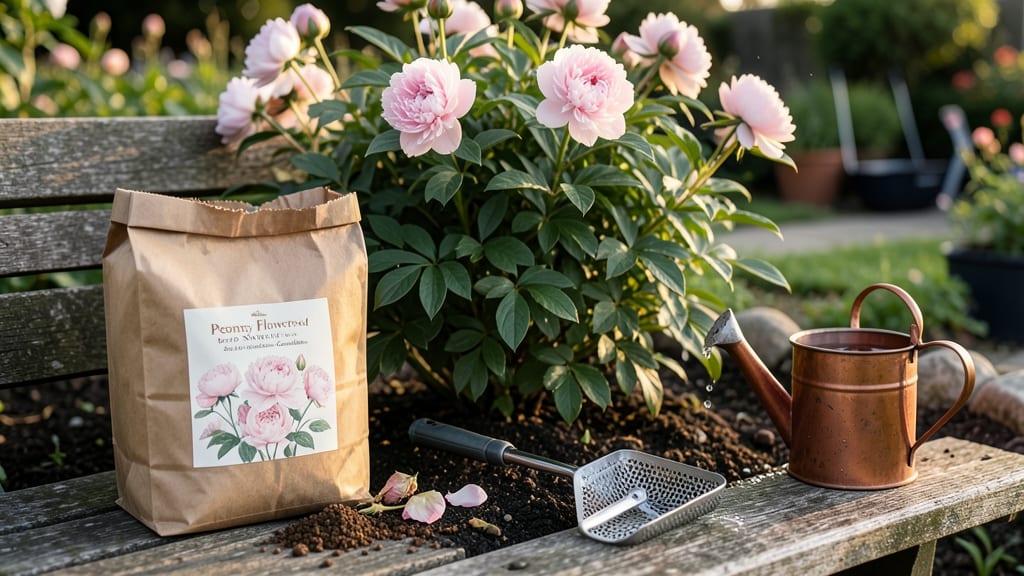
How flower food with sugar and pH balance extends peony bloom life
If your peonies wilt faster than expected in vases, the issue might be a missing sugar-pH balance in their flower food. Peonies thrive when their stems receive both energy (sugar) and the right pH level to absorb nutrients efficiently.
Without this balance, blooms droop within 2-3 days instead of lasting 7-10 days.
The science is simple: sugar acts as an instant energy source, while pH balance ensures stems can absorb water and nutrients. Peonies, with their thick stems, need this dual support to fight bacterial growth and wilting. A pH of 3.5-4.5 mimics natural acidic conditions, helping stems stay hydrated longer.
Commercial flower foods often contain preservatives and acidifiers to extend vase life, but homemade mixes can work just as well. The key is getting the ratio right: 1 teaspoon sugar per quart of water, plus a pH adjuster like vinegar or lemon juice.
Let’s break down why this works and how to spot deficiencies.
| Factor | Role in Peony Care | Deficiency Signs | Solution |
|---|---|---|---|
| Sugar | Provides quick energy for stems | Drooping within 24 hours | Add 1 tsp sugar per quart of water |
| pH Balance (3.5-4.5) | Enhances nutrient absorption | Wilting, brown stem tips | Add 1 tsp vinegar per quart |
| Preservative | Slows bacterial growth | Cloudy water, foul smell | Use 1 drop bleach-free preservative |
| Water Quality | Supports hydration | Stems bend, leaves yellow | Use filtered or distilled water |
Commercial flower foods often include a pre-mixed blend of sugar, acidifiers, and preservatives, making them convenient but sometimes expensive. Brands like Floralife or FTD are popular, but their formulas may contain artificial preservatives that some gardeners prefer to avoid.
The good news? A homemade mix with white sugar, vinegar, and a pinch of bleach-free preservative can match—or even surpass—their effectiveness.
Peonies are particularly sensitive to bacterial clogs in their stems, which block water uptake. The acidic environment from flower food prevents bacteria from thriving, while sugar provides the immediate energy stems need to stay upright.
Without this balance, peonies may show signs of wilting within 24 hours, even if the vase is full of water.
To test if your peonies need flower food, try this: Cut stems at a 45-degree angle and place them in plain water. If they droop by the next morning, the issue is likely a lack of sugar or pH balance.
Re-cut the stems and transfer them to a homemade flower food mix. You’ll often see improvement within 6-12 hours.
Homemade flower food is not only cost-effective but also customizable. You can adjust the sugar concentration based on how long you want the blooms to last.
For example, a stronger mix (2 tsp sugar per quart) works well for long-distance arrangements, while a lighter mix (½ tsp sugar) is perfect for everyday vases. Always use distilled or filtered water to avoid mineral buildup, which can clog stems.
One common mistake is overdoing the sugar, which can cause bacterial growth instead of preventing it. The sweet environment attracts microbes, so always pair sugar with a pH adjuster and preservative.
Another pitfall is ignoring the stem recutting step—always trim ½ inch off the base every 2-3 days to keep water flowing freely.
For gardeners who love organic solutions, honey can replace sugar in small amounts (½ tsp per quart), though it may darken water faster. Lemon juice works as a natural pH adjuster, but vinegar is more consistent.
Whichever mix you choose, the goal is to create a balanced, bacteria-free environment that keeps peonies vibrant for days.
Remember, the key to long-lasting peony blooms lies in understanding the science behind sugar and pH. With the right balance, your peonies won’t just survive—they’ll thrive in any vase, bringing your garden’s beauty indoors for weeks. 🌸
DIY flower food recipes for peonies: sugar, pH, and preservative mixes
Creating your own flower food for peonies is simpler than you think. The right mix of sugar, pH adjusters, and natural preservatives can extend your peony blooms by days—even weeks!
Unlike store-bought versions, homemade recipes let you control ingredients, avoiding harsh chemicals while keeping your flowers fresh. Let’s dive into three easy, science-backed recipes that work beautifully for peony stems.
Peonies thrive when their flower food provides both energy (sugar) and the right acidity level (pH 3.5–4.5). Vinegar acts as a natural pH adjuster, while preservatives like bleach-free alternatives prevent bacterial growth.
Below, I’ll compare white sugar vs. honey for energy and share storage tips to keep your mixtures ready for next time.
White Sugar vs. Honey in Flower Food
White Sugar
- ✅ Fast-acting energy for stems
- ✅ Budget-friendly and easy to find
- ✅ Neutral pH (won’t alter acidity)
- ❌ Can attract ants if spilled
Honey
- ✅ Natural antibacterial properties
- ✅ Slow-release energy for longer-lasting blooms
- ✅ No crystallization (unlike sugar)
- ❌ Higher cost and harder to measure
- ❌ Can ferment if overused
For my basic peony flower food recipe, I use 1 tablespoon white sugar, 2 tablespoons vinegar, and 1/4 teaspoon bleach-free preservative (like a pinch of citric acid) per quart of water.
This mix keeps stems hydrated while preventing bacterial clogging. If you prefer honey, swap the sugar for 1 tablespoon honey—just stir it well to dissolve completely before adding to water.
To make a long-lasting preservative mix, combine 1 cup white sugar, 2 cups vinegar, and 1/2 teaspoon citric acid in a jar. Store it in the fridge for up to 3 months.
When ready to use, dilute 1 tablespoon of this concentrate per quart of water. This pre-mix saves time and ensures consistency every time you change your peony vase water.
Pro tip: Always recut stems at a 45-degree angle before placing them in fresh flower food. This helps the stems absorb water and nutrients more efficiently. Change the water every 2–3 days to prevent bacterial buildup, even with preservatives.
For extra-long-lasting peonies, add a few drops of lemon juice to the mix—it boosts the preservative effect naturally.
If you notice your peonies wilting faster than usual, check your flower food pH. Use a pH test strip to ensure it’s between 3.5 and 4.5. If it’s too high, add a splash of vinegar; if too low, a pinch of baking soda will help.
Over time, you’ll learn to tweak your mix based on your water’s natural hardness and your peonies’ needs.