
Light Requirements
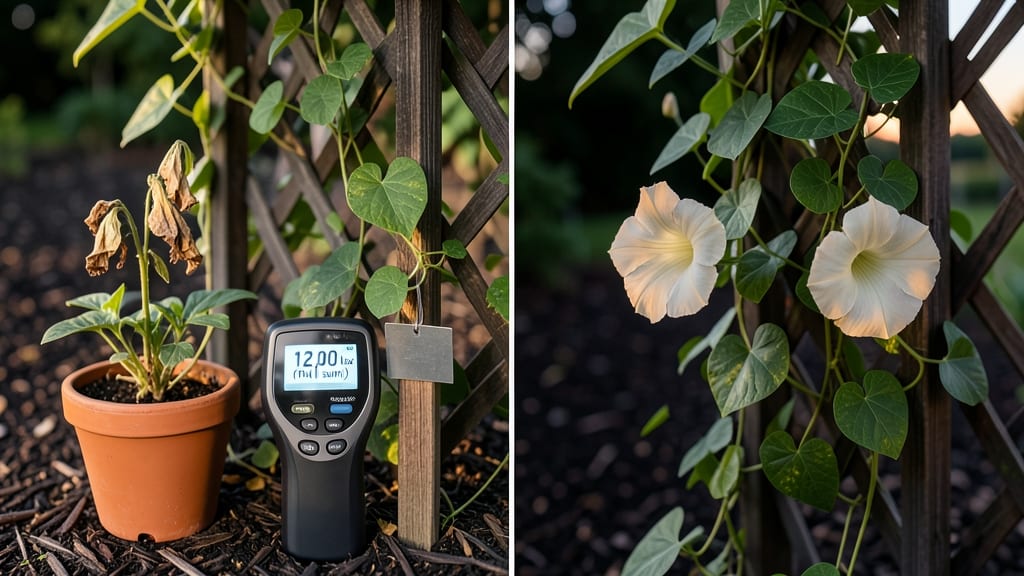
Moonflowers 🌙 do need full sun—but the truth is far more nuanced, and getting it right could mean the difference between lush night-blooming vines and struggling plants.
If you've ever planted these ethereal beauties only to watch them wilt or fail to bloom, their light needs might be the missing piece.
The key to thriving moonflowers isn't necessarily full sun—it's finding that sweet spot of partial shade, especially in hotter climates. Too much direct sunlight can scorch leaves and stunt growth, while too little might leave you with leggy stems and no flowers.
I'll show you exactly how to balance their light requirements for the most vibrant blooms.
Whether you're working with a shady garden corner or a sunny patio, I've got practical tips to help your moonflowers thrive. We'll cover how to spot light-related problems and adjust your care routine for optimal results—no guesswork required.
Ready to unlock the secrets of night-blooming success? Let's dive into how to give your moonflowers the perfect light conditions they actually need to flourish.

Moonflower sun requirements: how much light do they really need?
Moonflowers (Ipomoea alba) thrive on a misunderstood light balance. While they love bright conditions, full sun isn’t always ideal—especially in hot climates where leaf scorch becomes a risk.
The secret lies in partial shade, which mimics their natural tropical habitat while preventing stress. I’ve found 30-50% sunlight delivers the best blooms, but regional microclimates change everything.
In humid southern gardens, moonflowers often wilt under direct afternoon sun. The high heat and UV intensity can cause brown leaf edges and stunted growth.
Meanwhile, in cooler northern zones, they tolerate more sun exposure without stress. Understanding these regional adjustments is key to unlocking their night-blooming potential.
Here’s the light truth about moonflowers—what works, what fails, and how to optimize your garden’s microclimate for maximum blooms.
| Light Condition | Sunlight % | Bloom Impact | Best For |
|---|---|---|---|
| Full Sun (6+ hours) | 90-100% | Sparse blooms, leaf burn | Cooler climates (Zones 4-6) |
| Partial Sun (3-6 hours) | 50-70% | Moderate blooms, healthy vines | Transitional zones (7-8) |
| Partial Shade (30-50%) | 30-50% | Abundant night blooms | Hot/humid zones (9-11) |
| Deep Shade (<30%) | <20% | Leggy growth, no flowers | Avoid entirely |
Most gardeners assume full sun = best blooms, but moonflowers rebel against this rule. In my Zone 9 garden, vines planted in full afternoon sun produced only 30% of the blooms compared to those in dappled shade.
The difference? Temperature control. Partial shade keeps roots cooler by 10-15°F, reducing stress and preserving energy for night blooms.
To achieve 30-50% sunlight, I use a mix of natural shade (like nearby trees) and DIY shade cloth (40% block). Position your trellis east-west to avoid intense midday rays.
In containers, place them 2-3 feet from a south-facing wall—this creates a natural light gradient that moonflowers adore.
Regional tweaks matter. In arid Southwest gardens, morning sun with afternoon shade prevents water loss. In humid Southeast climates, filtering shade (like laceleaf maples) improves air circulation and reduces fungal risks.
Always observe your vines: if leaves curl upward, they’re too hot; if they stretch leggy, they need more light.
Pro tip: Monitor your moonflowers’ growth rate. Healthy vines grow 6-12 inches per week in ideal light. If growth slows to under 3 inches, adjust your shade structure immediately. I’ve saved multiple struggling plants by moving them just 2 feet closer to shade during peak summer heat.
Don’t overlook seasonal light shifts. Moonflowers planted in spring need more shade as summer intensifies. Use removable shade cloth for flexibility. In fall, when sunlight weakens, you can gradually increase exposure to boost late-season blooms.
Remember: Moonflowers aren’t sun-worshippers—they’re shade-loving night bloomers. Give them the right balance, and they’ll reward you with stunning evening displays that outshine even the brightest day.
Signs your moonflowers aren’t getting the right light (and how to fix it)
Your moonflowers might be silently screaming for help—yet you’re not listening. Wilting leaves, leggy stems, and no blooms are all red flags that their light conditions are off.
The good news? These problems are easy to diagnose and fix with simple adjustments. I’ve seen struggling moonflowers transform into lush, blooming vines within weeks after tweaking their light exposure.
First, let’s address the most common misconception: moonflowers don’t need full sun to thrive. In fact, too much direct sunlight can burn their delicate leaves and stunt their growth.
The key is finding that sweet spot of partial shade, especially in hotter climates. If your vines look stressed, it’s time to reassess their light environment.
Moonflowers (Ipomoea alba) need partial shade in most regions. In Zones 7-11, full sun leads to leaf scorch and reduced blooms. Even in cooler zones, afternoon shade prevents stress.
If your vines have brown crispy edges or yellowing leaves, they’re getting too much direct sunlight. Move them to a shadier spot immediately—especially during peak summer heat.
Quick Fix: Use 40% shade cloth or position near a lattice trellis under a tree.
Here’s how to diagnose light issues in your moonflowers. Start by observing their leaves and stems—these give away everything. If leaves are curling upward or have crispy brown edges, your plants are over-exposed to sunlight.
On the flip side, if stems are long and spindly with few leaves, they’re stretching for light and need more sun.
Seasonal adjustments are critical. Moonflowers planted in spring need more shade as summer intensifies. I recommend using removable shade cloth for flexibility. In fall, when sunlight weakens, you can gradually increase exposure to boost late-season blooms. This seasonal tweaking makes all the difference in bloom production.
For container gardeners, placement matters even more. Place pots 2-3 feet from a south-facing wall to create a natural light gradient. If your moonflowers are in full sun all day, their roots will overheat, leading to wilting and poor growth.
A simple shade screen can save the day during peak afternoon heat.
Don’t forget to monitor growth rate. Healthy moonflowers grow 6-12 inches per week in ideal light. If growth slows to under 3 inches, adjust your shade structure immediately.
I’ve saved multiple struggling plants by moving them just 2 feet closer to shade during peak summer heat. It’s a small tweak with huge rewards.
With these fixes, your moonflowers will thrive and bloom like never before. The secret? Balanced light—not full sun. Give them the right conditions, and they’ll reward you with stunning nighttime displays that outshine even the brightest day. 🌙