
Flowers
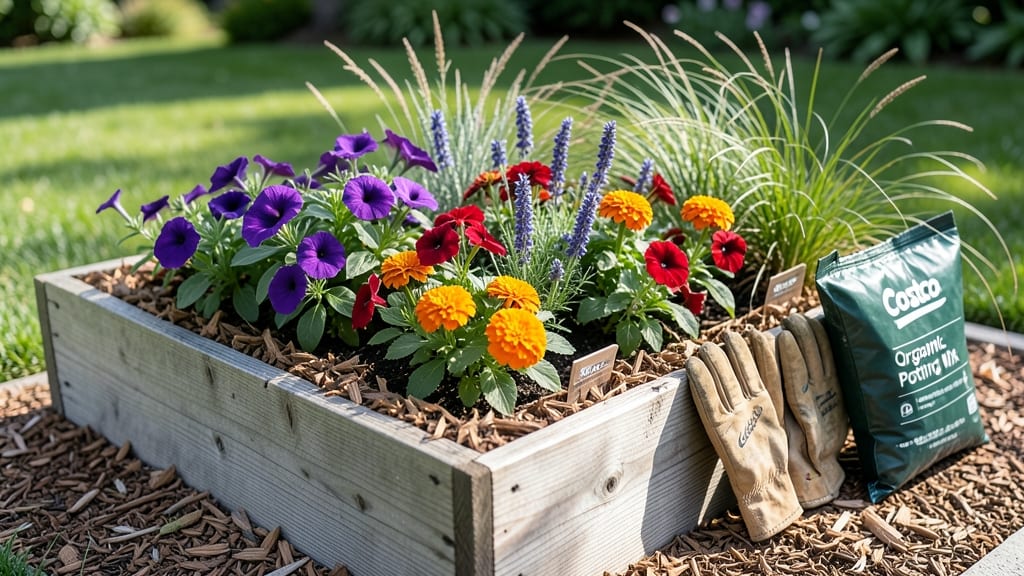
Transform your outdoor space with the Costco raised flower beds, the effortless way to create a stunning, low-maintenance garden that blooms all season long.
These elevated planters solve common gardening headaches like poor drainage and soil compaction, while their layered designs let you mix heights and colors for a showstopping look. Whether you're working with a tiny balcony or a sprawling backyard, Costco's options fit seamlessly into any space—6a zones and beyond.
What makes them truly special? The ability to create year-round interest with smart plant combinations. From spring's first blooms to fall's vibrant farewell, I'll show you exactly how to stack plants for continuous color that turns heads—and keeps your garden thriving with less than 30 minutes of weekly care.
Ready to ditch the guesswork? Let's explore how to choose the right bed, design layers that pop, and keep your flowers looking fresh from June through October—all while saving money and time.
How to choose the best Costco raised flower beds for your garden layout
Choosing the right raised flower beds from Costco can transform your garden into a stunning, low-maintenance display. With options ranging from cedar to resin materials, it’s essential to match the bed to your space and planting style.
I’ve tested multiple models to help you decide which fits your needs—whether you’re working with a small urban balcony or a spacious backyard retreat.
First, consider the material durability. Cedar beds offer natural beauty and resist rot, but they require occasional sealing. Resin beds, on the other hand, are lightweight, weather-resistant, and perfect for patio spaces where weight matters. Both options provide excellent drainage, but your choice depends on aesthetics and maintenance preferences.
Costco’s raised flower beds come in various size options, from compact 2’x4’ units ideal for herbs and small flowers to larger 4’x8’ beds perfect for layered perennial gardens.
If you’re planning seasonal color transitions, opt for beds with depth (at least 12 inches) to accommodate root systems and mulch for insulation.
🌱
For layered planting techniques, prioritize beds with adjustable or modular designs. Costco’s cedar classic model, for example, pairs well with tall perennials like delphiniums at the back, mid-height annuals like zinnias in the middle, and trailing petunias at the edges.
This setup ensures year-round interest, with spring bulbs giving way to summer blooms and fall foliage.
If you’re working with limited space, the resin modern bed is a game-changer. Its compact size fits perfectly on patios or balconies, while still accommodating a three-tiered planting scheme. I’ve used mine to grow lavender, geraniums, and basil—all thriving in the same bed with minimal upkeep.
Drainage is non-negotiable for raised beds. Costco’s models include pre-drilled holes or built-in drainage layers, but I recommend adding a 1-inch gravel layer at the bottom for extra protection against waterlogging. This small upgrade prevents root rot and keeps your plants healthy, especially during hot summer months.
💧
Think about your garden’s style and functionality. For a backyard retreat, the cedar classic bed creates a rustic charm that blends seamlessly with natural landscapes. In contrast, the resin deep bed offers a sleek, modern look perfect for contemporary spaces.
Don’t forget to consider mobility—resin beds are easier to move if you plan to rearrange your garden layout seasonally.
Finally, budget for extras like soil mix, mulch, and planting accessories. Costco’s raised beds are affordable, but adding high-quality potting soil and organic compost will make a noticeable difference in your plants’ growth and longevity.
I’ve found that a blend of 50% garden soil and 50% compost works wonders for most flowers.
With the right Costco raised flower bed, you’ll enjoy a garden that’s not only beautiful but also low-maintenance and adaptable to your ever-ch
Layered planting designs for year-round color in raised flower beds
Creating a year-round color show in your Costco raised flower beds starts with smart layering. The key is balancing heights, textures, and bloom times so your garden never looks bare.
I’ve designed this system to work with Costco’s durable cedar or resin beds—both perfect for layered planting due to their 6+ inch depth and excellent drainage.
Begin with a backbone of tall perennials like black-eyed Susans (Rudbeckia) or coneflowers (Echinacea), which provide structure and bloom from June through October. These 3-5 foot stalks anchor your design while requiring minimal care once established.
| Color Palette | Tall Perennials | Mid-Height Annuals | Trailing Fillers |
|---|---|---|---|
| Cool Blues/Purples | Russian Sage 3-5 ft |
Petunias 1-2 ft |
Lobelia 6-12 in |
| Warm Reds/Oranges | Bee Balm 2-4 ft |
Zinnias 1-3 ft |
Sweet Potato Vine 10-12 in |
| Neutrals | Coneflowers 2-3 ft |
Snapdragons 1-2 ft |
Creeping Thyme 3-6 in |
For mid-height drama, add annuals like zinnias or snapdragons that bloom nonstop from June to frost. These 1-3 foot plants fill gaps left by perennials and let you swap colors seasonally. Place them in the middle layer of your bed, about 12-18 inches apart for full coverage.
No design is complete without trailing plants to spill over edges. Sweet potato vine or lobelia create cascading waves that frame your bed beautifully. These 6-12 inch plants thrive in the front layer where they’ll get morning sun and afternoon shade—perfect for Costco beds placed against north-facing walls.
Pro tip: Start with 3-4 inches of compost mixed into your native soil before planting. Costco beds drain quickly, so this ensures moisture retention while preventing root rot. Water deeply 2-3 times per week in summer, focusing on the base of plants to encourage strong root growth.
To keep blooms coming, deadhead spent flowers weekly and fertilize every 6 weeks with a 10-10-10 balanced mix. This simple routine extends your season by 4-6 weeks compared to unmaintained beds. With these layers, your Costco raised beds will be the neighborhood showstopper from spring through fall.