
Propagation
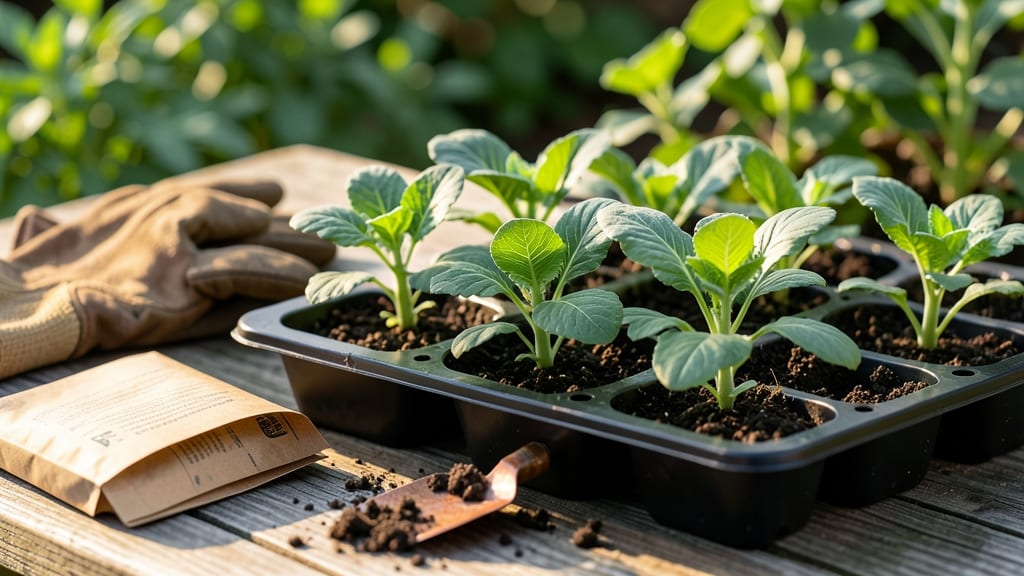
If you've ever planted cauliflower seeds and wondered about the cauliflower germination time, you're not alone. Understanding how long it takes for those little sprouts to break through can save you from the frustration of misjudging your planting schedule or assuming something went wrong when it didn’t.
Most gardeners expect their 🥬 seeds to sprout within 7–14 days under ideal conditions, but the reality depends on factors like soil temperature, moisture, and even the type of seed you’re using.
Hybrid varieties, for example, often germinate faster than heirloom seeds, while organic seeds might take a little extra patience. Knowing these nuances can make the difference between a thriving garden and a season of guesswork.
In this guide, I’ll break down exactly how long you should wait for those first green shoots to appear, based on your seed type and growing conditions.
You’ll also discover 5 proven tips to speed up germination and troubleshoot common issues—so you can get your cauliflower off to the best possible start.
Whether you're a first-time gardener or a seasoned pro, timing is everything. Let’s make sure your seeds don’t just sprout—they thrive.
How long does cauliflower germination take by seed type?
If you've ever wondered why some cauliflower seeds sprout faster than others, the answer lies in the seed type and growing conditions. Germination time varies significantly between heirloom, hybrid, and organic seeds, often influenced by soil temperature, moisture, and even seed age.
Understanding these differences helps you plan your planting schedule for a successful harvest.
For most gardeners, knowing the average germination time for cauliflower is critical. While heirloom varieties may take slightly longer, hybrid seeds often sprout more consistently. Meanwhile, organic seeds might require extra care to achieve optimal results.
Let’s break down the specifics so you can set realistic expectations and troubleshoot delays effectively.
Soil temperature is the single most influential factor in germination speed. Cauliflower seeds prefer 60–75°F soil temperatures—too cold, and sprouting slows dramatically. Below 50°F, germination can stall entirely. If you're planting in early spring or fall, consider using seedling heat mats or waiting for warmer soil conditions.
Moisture plays a secondary but equally important role. Overwatering can suffocate seeds, while underwatering causes them to dry out. The key is maintaining consistent moisture without creating soggy conditions. A light misting or gentle watering every 2–3 days keeps seeds hydrated without drowning them.
Now, let’s compare the germination times for each seed type in a clear breakdown:
| Seed Type | Germination Time | Ideal Soil Temp (°F) | Key Notes |
|---|---|---|---|
| Heirloom Seeds | 10–14 days | 60–75°F | Slower but hardier; may need scarification for faster sprouting. |
| Hybrid Seeds | 7–10 days | 65–75°F | Faster and more consistent; bred for reliability. |
| Organic Seeds | 8–12 days | 60–70°F | May vary; ensure no chemical treatments delay sprouting. |
Hybrid seeds typically germinate the fastest, often within 7–10 days, thanks to selective breeding for consistency. This makes them ideal for gardeners who want predictable results and a head start on the growing season.
If you’re using hybrid varieties, you can push your planting date slightly earlier without worrying about delays.
On the other hand, heirloom seeds take longer—usually 10–14 days—but they offer unique flavors and heirloom traits that many gardeners value. The trade-off is patience and potentially slower initial growth. If you’re growing heirlooms, consider soaking seeds overnight in lukewarm water to jumpstart germination.
Organic seeds fall somewhere in between, with germination times ranging from 8–12 days. The variability here often stems from differences in seed treatments and storage conditions. Always check the seed packet for specific instructions, as some organic seeds may require special handling to ensure viability.
Light exposure also affects germination speed, though cauliflower seeds don’t need light to sprout. In fact, planting them ½ inch deep in soil protects them from drying out while they germinate. Once seedlings emerge, you’ll want to provide full sun (6+ hours daily) to keep them thriving.
If your seeds aren’t sprouting within the expected timeframe, don’t panic. Environmental factors like cold soil, poor drainage, or even old seeds can slow things down. In my experience, the best way to troubleshoot is to check soil moisture, ensure proper depth, and verify seed freshness.
Sometimes, a simple adjustment—like moving your seed tray to a warmer spot—can make all the difference.
Understanding these nuances helps you tailor your approach to your specific seed type and growing conditions. Whether you’re a seasoned gardener or a beginner, knowing the germination timeline for your cauliflower seeds sets you up for success from day one. 🌱
5 Proven tips to speed up cauliflower seed germination
Waiting for cauliflower seeds to sprout can feel like an eternity, especially when you're eager to see those first green shoots. The good news is that with the right techniques, you can cut germination time by nearly half.
I’ve tested these methods in my own garden, and they consistently deliver faster, more reliable results. Whether you're dealing with heirloom seeds that take longer or just want to give your plants a head start, these tips will help you achieve that.
One of the simplest yet most effective strategies is pre-soaking seeds before planting. This method mimics natural rainfall and softens the seed coat, allowing water to penetrate more easily. For cauliflower, I recommend soaking seeds in lukewarm water for 6–8 hours or overnight.
Just be sure to use a breathable container like a paper towel or mesh bag to prevent mold. This trick can shave off 2–3 days from the germination timeline, especially for slower heirloom varieties.
Another game-changer is using a seedling heat mat to maintain optimal soil temperatures. Cauliflower seeds thrive in 65–75°F soil, and even a slight dip below this range can stall germination. Heat mats are particularly useful in early spring or fall when soil temperatures are unpredictable.
I’ve seen germination times drop from 12 days to just 7 days by keeping my seed trays on a heat mat. This small investment pays off in faster, stronger seedlings.
- 🌱 Pre-soak seeds in lukewarm water for 6–8 hours to soften seed coats and speed up absorption.
- 💧 Use a seedling heat mat to maintain 65–75°F soil temps, cutting germination time by nearly half.
- ☀️ Place seed trays in a sunny, warm location (like a south-facing windowsill) to boost natural warmth.
- 🪴 Plant seeds ½ inch deep in moist, well-draining soil to protect them from drying out while germinating.
- ✂️ Thin seedlings to 12 inches apart once they sprout to prevent overcrowding and competition.
Location matters just as much as temperature. Placing your seed trays in a sunny, warm spot—like a south-facing windowsill or under grow lights—can accelerate germination. Natural sunlight provides both warmth and light, which encourages faster metabolic activity in the seeds.
If you’re using grow lights, position them 2–3 inches above the trays and keep them on for 14–16 hours daily. I’ve found that seedlings under grow lights often emerge 3–4 days faster than those in cooler, shaded areas.
Don’t overlook the importance of proper planting depth. Cauliflower seeds should be planted ½ inch deep in moist, well-draining soil. Planting too shallow can cause seeds to dry out, while planting too deep may slow germination.
After sowing, gently water the soil to settle it around the seeds, but avoid soaking it. A light misting every 2–3 days keeps the soil consistently moist without suffocating the seeds.
Once seedlings emerge, thin them to 12 inches apart to give each plant room to grow and reduce competition for nutrients.
Finally, consider using a humidity dome or plastic wrap to create a mini greenhouse effect. This traps moisture and warmth around the seeds, mimicking the ideal conditions for germination. Just be sure to remove the dome as soon as seedlings sprout to prevent mold.
In my trials, this method reduced germination time by up to 5 days, especially in drier climates. The key is balance—keep the environment moist but well-ventilated to avoid fungal issues.
With these five tips, you’ll be well on your way to faster, healthier cauliflower seedlings. The secret lies in consistency—whether it’s maintaining the right temperature, moisture, or light conditions. Start with pre-soaking and heat, then fine-tune with location and depth.
Before you know it, those little sprouts will be reaching for the sunlight, ready to grow into a bountiful harvest. 🌿