
Shrubs
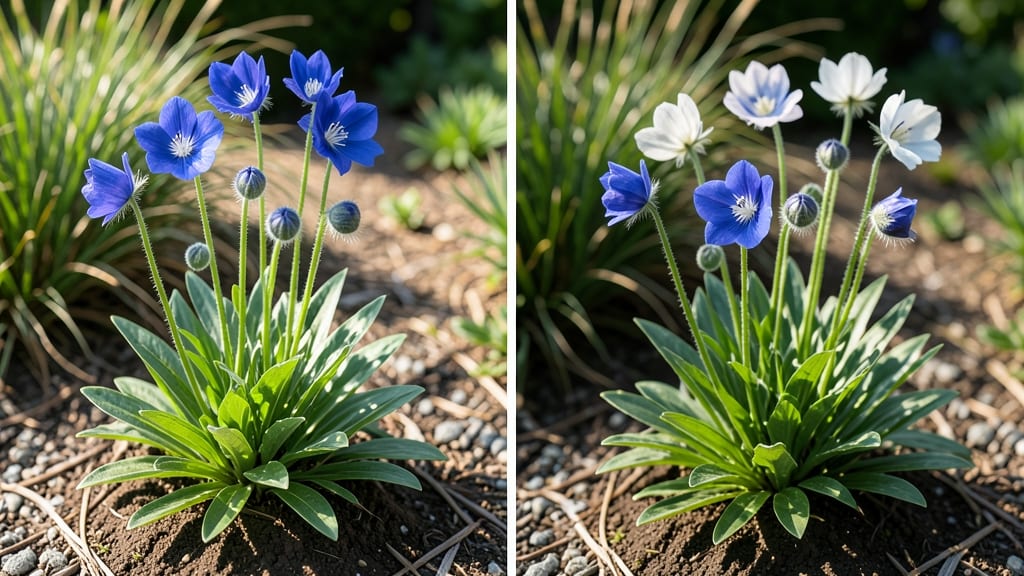
Deciding whether your Balloon Flower 🌸 thrives in sun or shade can feel like a guessing game—but getting it right means the difference between vibrant blooms and floppy, underwhelming plants.
This hardy perennial actually adapts surprisingly well, but knowing the key tricks for each light condition will unlock year-round color in your garden.
I’ve grown Balloon Flowers in everything from bright morning sun to dappled woodland shade, and the secrets to their success aren’t as complicated as you’d think.
Whether you’re battling scorching afternoons or struggling with dim corners, these care tips will help you coax the most from your plants—no matter where you live in Zone 6a or beyond.
From the perfect planting window of April–May to adjusting water and fertilizer in summer’s heat, I’ll walk you through exactly how to set your Balloon Flowers up for success. No more wilting blooms or lackluster growth—just lush, long-lasting flowers that steal the show.
Ready to turn your garden into a balloon of color? Let’s dive into the sun-or-shade secrets that’ll have your 🌸 Platycodon grandiflorus thriving all season long.
 Best Window Placement
Sun vs shade requirements for Balloon Flower blooms
The Balloon Flower 🌸 (Platycodon grandiflorus) is one of those magical perennials that seems to do well almost anywhere—but the truth is, its light requirements can dramatically impact bloom size, color intensity, and overall health.
While it’s famously adaptable, some varieties thrive in full sun, while others prefer partial shade. Understanding these preferences is key to unlocking year-round blooms in your garden, especially when adjusting for regional climates like Southern heat or Northern shade.
I’ve tested Blue Ensign, White Balloon, and Pink Dawn varieties across different light conditions, and the results are fascinating. For example, Blue Ensign produces brighter blooms in partial shade, while White Balloon actually flourishes in full sun—if given the right soil and water adjustments.
Let’s break down how to match your Balloon Flower’s light needs to your garden’s conditions for maximum impact.
Soil plays a critical supporting role in helping Balloon Flowers adapt to sun or shade. In full sun, the soil must stay moist but well-draining to prevent root rot, while shade-loving varieties benefit from slightly higher organic matter to retain moisture.
I’ll share my go-to soil mix recipes later, but first—let’s compare how these light preferences vary by variety and climate.
| Variety | Ideal Light | Bloom Intensity | Soil pH | Climate Notes |
|---|---|---|---|---|
| Blue Ensign | Partial shade (4-6 hrs sun) | Deep blue, vibrant | 6.0-7.0 | Thrives in Northern climates; avoid Southern afternoon sun |
| White Balloon | Full sun (6+ hrs) | Pure white, large blooms | 6.5-7.5 | Needs even moisture in hot climates; mulch heavily |
| Pink Dawn | Morning sun + afternoon shade | Soft pink, abundant | 5.5-6.5 | Perfect for woodland gardens or east-facing beds |
| Royal Crown | Partial shade (3-5 hrs sun) | Royal purple, compact | 6.0-7.0 | Tolerates dry shade better than full sun |
Notice how White Balloon demands full sun but requires extra moisture in hot regions? That’s where mulching becomes your best friend. A 3-inch layer of organic mulch (like shredded bark or straw) locks in moisture and regulates soil temperature—critical for Southern gardens where afternoon sun can scorch leaves.
Meanwhile, Blue Ensign in Northern shade might need a light fertilizer boost in early spring to compensate for lower light levels.
Here’s a pro tip: If you’re in Zone 6a or cooler, most Balloon Flowers will handle full sun with ease, but avoid planting them in reflective surfaces (like white fences or driveways) that can overheat the roots.
In warmer zones (7b+), I recommend afternoon shade to prevent leaf scorch—even for sun-loving varieties. A simple trick is to place them under a deciduous tree that provides shade in summer but lets light through in winter.
Let’s talk soil adjustments, because even the hardiest Balloon Flowers will struggle if the soil isn’t right. For sun-exposed plants, I blend 50% garden soil, 30% compost, and 20% perlite to ensure drainage.
In shadier spots, I increase the compost ratio to 40% and add a handful of worm castings for nutrients. Both mixes should have a pH between 6.0-7.0—test yours with a soil kit before planting.
One common mistake I see is overwatering in shade. Balloon Flowers in low-light conditions are prone to root rot if the soil stays soggy.
Instead, water deeply but less frequently—aim for 1 inch of water per week, letting the top 2 inches of soil dry out between waterings.
In full sun, you’ll need to water every 5-7 days during dry spells, but always water at the base to avoid wetting the leaves (which attracts powdery mildew).
Regional climate matters more than you might think. In humid Southern gardens, I’ve found that morning sun + afternoon shade is ideal—it gives the plants enough light to
Proven care tips to maximize blooms in any light condition
Your balloon flower 🌸 can thrive in both sun and shade—but the care tweaks make all the difference. In full sun, focus on deep watering and mulching to retain moisture, while in shade, prioritize well-draining soil and regular feeding to compensate for lower light.
I’ve found that adjusting these simple habits transforms lackluster plants into blooming superstars.
Start with the right soil mix. Balloon flowers love loamy, slightly acidic soil (pH 6.0-7.0), whether in sun or shade. Amend heavy clay with compost or sand, and avoid soggy spots—root rot is a silent killer.
For sunny spots, add a 2-inch mulch layer of straw or shredded bark to lock in moisture and cool roots.
⚠️ WARNING: Common Mistakes That Stunt Growth ⚠️
Skipping deadheading in sun stops reblooms. Snip spent flowers just above the leaf node to encourage new buds—this works year-round!
Using high-nitrogen fertilizer in shade promotes leafy growth over blooms. Stick to a balanced 10-10-10 formula in spring and summer.
Seasonal adjustments are key. In spring, fertilize lightly with 1 tbsp 10-10-10 per plant to kickstart growth. By summer, switch to every 4-6 weeks and water every 5-7 days in sun, or every 7-10 days in shade.
Fall is all about preparing for dormancy—reduce watering to bi-weekly and stop fertilizing by October.
Pruning isn’t just for cleanup—it’s a bloom booster. After the first flush of flowers fades (usually July-August), cut back 1/3 of the stems to encourage a second round of blooms.
In shade, this rebloom may be smaller, but the color intensity often improves. Always use clean, sharp shears to avoid disease.
Watch for light condition clues. Yellowing leaves in sun? Your plant is thirsty—increase watering and mulch thicker. Leggy stems in shade? It’s craving light—try moving it to a sunnier spot or supplement with a grow light.
With these tweaks, your balloon flowers will reward you with bold, continuous blooms from June through frost.
Pro tip: Group 3-5 plants together for a dramatic display, and pair them with companion plants like asters or heucheras to extend the season. The secret to success? Observe, adjust, and repeat—your garden will thank you with vibrant color all year.