
Flowers
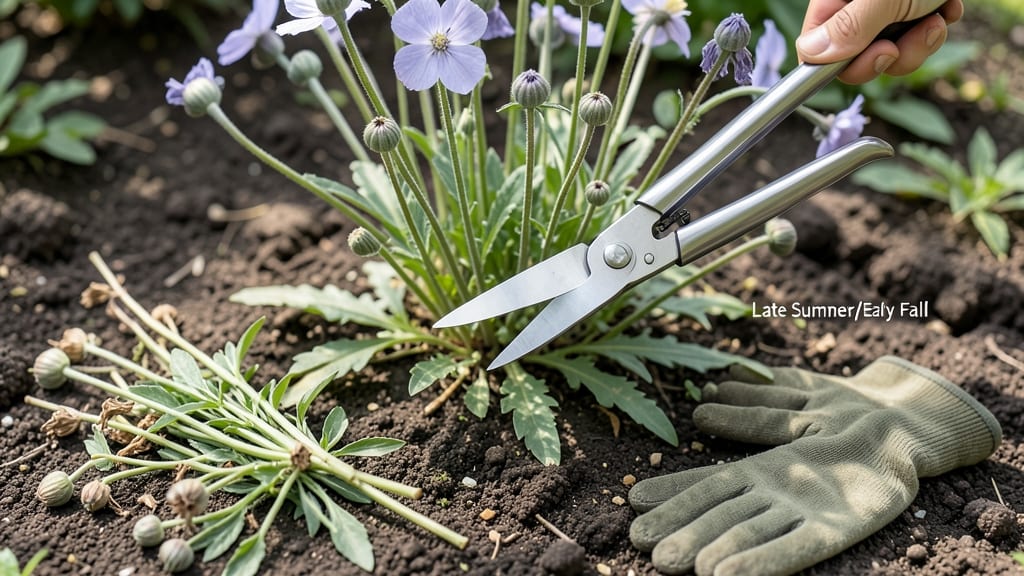
Cutting back your Balloon Flower 🌸 at the wrong time could mean smaller blooms—or worse, losing them entirely next spring. The key is timing it just right after the first frost, when the plant signals it’s ready for dormancy but before winter’s harsh freeze sets in.
I’ve learned the hard way that late fall is the perfect window—typically between late October and early November in USDA Zone 6a—to trim back those woody stems. This simple step protects your plant from winter damage while setting the stage for a stronger, more vibrant rebloom in spring.
But here’s the catch: if you wait too long, you risk exposing tender roots to freezing temperatures. And if you prune too early? You might stunt new growth before the plant can store energy for next season.
Let me walk you through the exact steps to get it right every time.
Whether you’re a seasoned gardener or just starting with Balloon Flowers, mastering this timing will transform your garden. Ready to unlock bigger, healthier blooms? Let’s dive in.
The best late-fall timing for cutting back Balloon Flowers
Timing your Balloon Flower (Platycodon grandiflorus) pruning in late fall is the secret to healthier plants and bigger blooms next season. The ideal window is after the first hard frost (when foliage turns brown) but before hard freeze temperatures drop below 20°F (-7°C).
This 2-3 week period gives your plant time to harden off while protecting it from winter damage.
In USDA Zone 6a (like my garden!), this typically means pruning between late October and early November. But if you live in Zone 3-5, aim for mid-October—colder climates freeze faster. Meanwhile, gardeners in Zones 7-9 can wait until November when nights consistently dip below 40°F (4°C).
Here’s why this timing matters: Pruning too early leaves your plant vulnerable to late-season growth, which can’t survive winter. Waiting too long risks exposing tender roots to freezing. The goal is to remove dead foliage while preserving the plant’s energy reserves for spring reblooming.
I’ve found that Balloon Flowers in full sun (6+ hours daily) enter dormancy faster than those in partial shade. If your plants are still green in late fall, they’re not ready—wait for foliage browning before pruning. This visual cue is your best indicator!
| USDA Zone | Ideal Pruning Window | Key Climate Trigger | Post-Pruning Care |
|---|---|---|---|
| Zones 3-5 | Mid-October | After first frost (foliage browning) | Apply 2-3" mulch |
| Zone 6a | Late October-Early November | Before hard freeze (<20°F) | Cover with frost cloth if needed |
| Zones 7-9 | November | After 40°F night temps | Light mulch (1-2") only |
After pruning, focus on mulching—this is non-negotiable for winter protection. I use 3-4 inches of straw or shredded leaves around the base to insulate roots. For Zone 3-5 gardeners, add a frost cloth over the crown if winters are brutal (below -10°F/-23°C).
One common mistake I see is over-pruning—never cut below 3-4 inches above ground. This height preserves the crown where next year’s growth emerges. Use clean, sharp pruners to avoid tearing stems, which can invite disease.
Pro tip: Mark your calendar now! Set a reminder for your zone’s ideal pruning date. I’ve had years where I forgot, and my Balloon Flowers struggled to rebloom. A little planning goes a long way for springtime color that’ll make your neighbors jealous.
Remember, Balloon Flowers are perennials, meaning they’ll return year after year if you give them proper care. This late-fall pruning is your insurance policy for next season’s showstopping blooms—so don’t skip it!
Got questions about your specific zone? Drop them in the comments—I’m happy to help troubleshoot! For now, grab those pruners and give your plants the winter prep they deserve. 🌸
Step-by-step pruning process to prevent winter damage
Now that you’ve pinpointed the perfect late-fall window, let’s tackle the actual pruning process. The goal is to remove dead foliage and trim stems while protecting the plant’s crown—the area where next year’s growth will emerge.
Start by gathering your tools: clean, sharp pruners, gloves, and a garden bag for debris.
First, inspect your Balloon Flower plants for any remaining green leaves or healthy stems. These are signs the plant isn’t fully dormant yet. If you see them, wait a few more days before pruning.
Once the foliage is completely brown and crispy, it’s time to act. This step ensures you’re not cutting back living tissue that could regrow and freeze.
Use this step-by-step guide to prune safely and effectively:
- Step 1: Put on gloves and sterilize your pruners with rubbing alcohol to prevent spreading disease.
- Step 2: Locate the crown of the plant—the base where stems meet the soil. This is your pruning target zone.
- Step 3: Using sharp pruners, cut back all stems to a height of 3-4 inches above ground. Avoid cutting lower, as this can damage the crown.
- Step 4: Remove any remaining dead or diseased foliage at the base. Toss it in your garden bag.
- Step 5: Rake away fallen leaves and debris from the pruning area to reduce pests and disease risk.
- Step 6: Apply a 2-3 inch layer of mulch (straw or shredded leaves) around the base, keeping it 3 inches away from the crown.
One of the most common mistakes I see is over-pruning—cutting too close to the ground or removing too much foliage. This can leave your plant vulnerable to crown rot or freeze damage.
Always aim for that 3-4 inch height to give your Balloon Flowers the best chance of reblooming in spring.
After pruning, take a moment to inspect your plants for any signs of pest infestations or disease. Look for chewed leaves, discolored stems, or unusual spots. If you spot anything, treat it immediately with neem oil or an appropriate fungicide to protect your plants over winter.
Finally, if you’re in USDA Zones 3-5 and facing particularly harsh winters, consider adding a frost cloth over the crown. This extra layer of protection can make all the difference in ensuring your Balloon Flowers survive the cold and return stronger than ever next season.
With this step-by-step process, you’re now ready to give your plants the winter care they deserve! ✂️