
Flowers
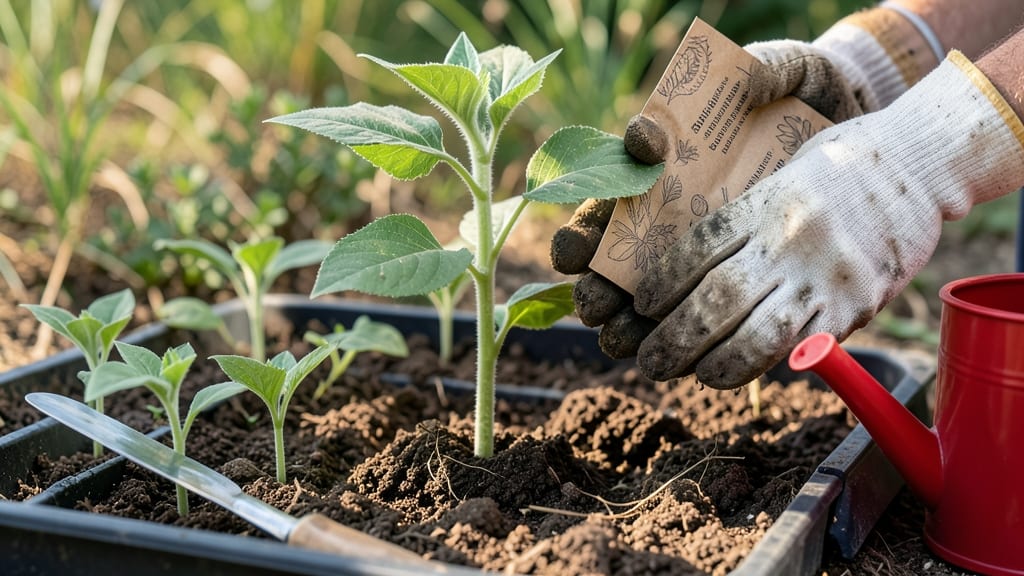
Planting sunflowers in Sacramento at the wrong time can mean watching them wilt before they even bloom—but getting the timing right unlocks vibrant, towering 🌻 stalks that thrive all summer long.
With Sacramento’s mild winters and hot summers, you’ve got a wider window than most places, but frost dates and soil warmth still matter. The key is planting after your last frost—typically by mid-March—but don’t wait too long, or your sunflowers might struggle in the heat.
I’ll break down the perfect planting schedule for your zone, including how to adjust for urban heat pockets and drought conditions. Whether you’re growing tall giants or compact varieties, these tips ensure your sunflowers reach their full potential.
Ready to grow sunflowers that stand 10 feet tall and bloom until October? Let’s get started with the timing that works best for Sacramento’s climate.
Sacramento sunflower planting calendar: frost-free windows explained
Sunflowers thrive in Sacramento’s USDA Zone 9b/10a, but timing your planting windows correctly ensures robust growth and stunning blooms. Unlike colder climates, Sacramento’s frost-free season spans nearly 270 days, giving you flexibility—but knowing the ideal soil temperature and last frost dates is key.
Plant too early, and you risk stunted growth; too late, and you miss the peak flowering season before summer heat sets in.
In Sacramento, the last average frost date typically falls around January 15, but the real magic happens after the soil warms to 55°F (13°C). This usually aligns with mid-March, marking the start of your primary planting window.
However, sunflowers are resilient, and you can extend planting into mid-June for a second flush of blooms—just be prepared for shorter stems in late-season plantings.
Why timing matters: Sunflowers need 70-120 days to mature, so planting in March or April ensures blooms by late summer, while June plantings may flower in fall. The first frost (around December 15) rarely affects sunflowers, but early frosts can damage tender seedlings if planted too late in the season.
| Planting Window | Soil Temp Requirement | Expected Bloom Time | Notes |
|---|---|---|---|
| Mid-March to Mid-April | 55°F (13°C) | Late June to August | Best for tall varieties; full sun exposure |
| Mid-April to Mid-May | 60°F (16°C) | July to September | Ideal for heat-tolerant varieties; avoid water stress |
| Mid-May to Mid-June | 65°F (18°C) | August to October | Shorter stems; drought-resistant varieties recommended |
| July (Late Season) | 70°F (21°C) | September to October | Risk of bolting; best for dwarf varieties |
For spring plantings, aim for March or early April when the soil temperature consistently stays above 55°F (13°C). This gives sunflowers enough time to establish roots before Sacramento’s summer heat peaks.
Direct-sow seeds ½ inch deep and space them 6-12 inches apart, depending on the variety. Dwarf sunflowers (like 'Teddy Bear') can handle closer spacing, while tall varieties (like 'Moulin Rouge') need more room to avoid competition.
If you’re planting in summer, wait until mid-June to avoid bolting (premature flowering) caused by heat stress. Summer plantings will produce smaller blooms but still thrive with deep watering and well-draining soil.
Avoid planting after July 15, as the growing season shortens, and sunflowers may not mature before fall frosts (though Sacramento’s Zone 9b/10a rarely sees damaging frosts).
Sacramento’s microclimates can shift planting windows slightly. Areas near waterways or with urban heat islands may warm up faster, allowing earlier plantings. Conversely, higher elevations (like parts of the Sierra foothills near Sacramento) might need a 1-2 week delay to avoid late spring frosts.
Always check your local weather station for real-time soil temps—a simple soil thermometer is your best tool!
Pro tip: Pre-soak seeds for 24 hours before planting to speed up germination, especially in dry spring soils. Mulch around seedlings with straw or wood chips to retain moisture and suppress weeds.
Sunflowers are drought-tolerant once established, but consistent watering during germination (every 2-3 days) is crucial for strong starts.
Remember, sunflowers are fast growers, and their height can double in just a few weeks. In Sacramento, tall varieties may reach 10-12 feet by summer, while dwarf types stay under 3 feet.
Plan your planting window to match your garden goals: early blooms for summer color or late-season plantings for fall interest.
With the right timing, your Sacramento sunflowers will reach their full potential, turning your garden into a vibrant, pollinator-friendly haven. Happy planting! 🌻
How to adjust sunflower planting for Sacramento’s microclimates
Sacramento’s diverse microclimates can make sunflower planting tricky—what works in urban heat islands might fail in the cooler foothills. The city’s valley floors (like Midtown) often hit 100°F+ summers, while areas like El Dorado Hills stay 10°F cooler.
Adjust your planting 2-4 weeks earlier in hot zones and 1-2 weeks later in cooler areas.
Water availability is another critical factor. Urban gardens with drought restrictions (common in summer) require deep watering schedules, while rural areas with well-water tables may need less frequent irrigation. Always check soil moisture 2 inches deep—if it’s dry, water deeply.
When to Plant Sunflowers in Sacramento’s Microclimates
Urban Heat Islands (Midtown, Downtown)
- Plant: Late February to early March
- Why: Soil warms faster in concrete zones
- Adjust: Use row covers if nights dip below 40°F
Valley Floors (Arden, Natomas)
- Plant: Mid-March to April
- Why: Moderate heat with cooler nights
- Adjust: Mulch to retain moisture
Foothills (El Dorado Hills, Folsom)
- Plant: Late April to May
- Why: Cooler microclimate delays soil warming
- Adjust: Choose shorter varieties (e.g., 'Teddy Bear')
Late-Season Protection
- Use: Frost blankets in October
- Why: Extends blooming 2-3 weeks
- Tip: Remove covers by 10 AM daily
For urban gardeners, consider container growing—pots absorb and release heat differently than in-ground soil. Use black plastic pots to warm soil 5°F faster in spring, or light-colored containers to reflect heat in summer.
If you’re planting in July or August, opt for fast-maturing varieties like 'ProCut' (50 days to harvest). These handle Sacramento’s intense summer heat better than slower growers. Always water at the base to avoid leaf scorch from afternoon sun.
Pro tip: Test your soil in early spring—Sacramento’s clay-heavy soil can bake hard in summer. Amend with compost or coconut coir to improve drainage. This small step can double your success rate in heat-prone areas.
With these adjustments, your sunflowers will thrive year-round, from early spring blooms to fall harvests. Happy growing! 🌻