
Flowers
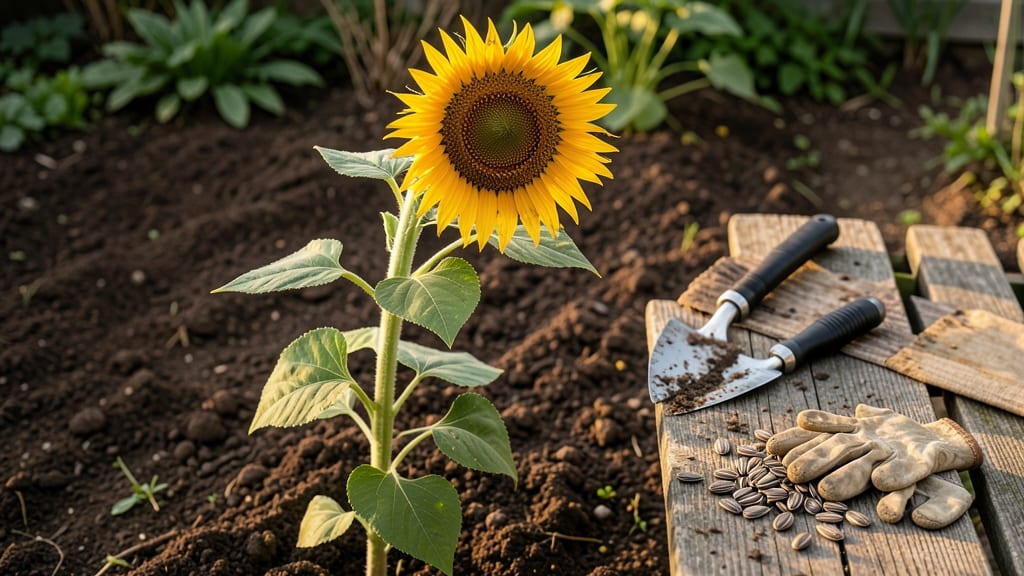
Planting sunflowers in New Jersey at the wrong time can mean the difference between a towering 🌻 display and a sad, frost-nipped disappointment. With the state's unpredictable spring weather and varying USDA zones (6a-7b), figuring out the perfect window feels like solving a puzzle—especially when last frost dates shift yearly.
Most NJ gardeners swear by mid-April to late June as the ideal range, but timing isn’t one-size-fits-all. Soil temperature, microclimates, and even your sunflower variety play a role.
Skip the guesswork and learn how to align your planting with NJ’s 165 frost-free days for zero-frost survival—and blooms that steal the show from August to October.
Whether you’re a first-time gardener or a seasoned pro, I’ll break down the exact steps to get your sunflowers off to the right start. From soil prep to variety selection, you’ll discover how to beat NJ’s tricky climate and grow sunflowers that thrive—no matter where you are in the state.
Ready to turn your garden into a sunflower paradise? Let’s dive into the game-changer strategies that work in NJ’s unique growing conditions.
NJ sunflower planting zones: when to plant by last frost date
New Jersey’s three USDA zones (6a, 6b, 7a) create distinct planting windows for sunflowers, where timing can mean the difference between vibrant blooms and frost-damaged seedlings.
The average last frost date ranges from mid-April in northern NJ to early April in southern regions, but microclimates—like urban heat islands or coastal areas—can shift this by 1-2 weeks. For zero-frost survival, focus on soil temperature thresholds (minimum 50°F) and local frost-free date calculations.
Sunflowers thrive when planted 2-3 weeks after your area’s last frost, giving them time to establish roots before summer heat arrives. In USDA Zone 6a (northern NJ), this typically means late April to early May, while Zone 7a (southern NJ) can start as early as mid-April.
Direct sowing is ideal, but if you’re transplanting start seedlings indoors 4-6 weeks before your target planting date to avoid transplant shock.
Here’s your NJ sunflower planting guide by zone, including soil temp thresholds and frost-free survival tips:
For direct sowing, drop seeds 1 inch deep and 12–24 inches apart (depending on variety). If you’re transplanting seedlings, harden them off for 7–10 days before moving outdoors.
In Zone 6a, where frost lingers longer, opt for fast-maturing varieties like ‘Early Bird’ (50–55 days to bloom) to ensure flowers appear before first frost in October.
Pro tip: Check soil temperature with a soil thermometer—sunflowers won’t germinate below 50°F. If your soil is too cold, wait 1–2 weeks or use black plastic mulch to warm it faster.
In humid NJ summers, prioritize well-draining soil to prevent root rot, especially in clay-heavy areas like northern NJ.
Missed the spring window? Don’t worry—sunflowers are heat-tolerant and can handle late summer plantings (up to early July) in Zone 7a. Just choose short-day varieties like ‘Teddy Bear’ (45–50 days) for quicker blooms. For Zone 6a, limit late plantings to mid-June to avoid bolting before frost.
Local climate data shows NJ’s growing season averages 165 frost-free days, but urban areas (e.g., Newark) can have 10–14 extra days due to the urban heat island effect.
Use this to your advantage: Plant tall varieties (like ‘Mammoth’) in Zone 7a for dramatic summer displays, while dwarf types (e.g., ‘Sunspot’) thrive in containers for balcony gardens in Zone 6a.
To maximize your sunflower’s potential, mulch around the base with straw or wood chips to retain moisture and suppress weeds. Water deeply 1–2 times per week (avoid wetting foliage to prevent powdery mildew), and fertilize lightly with 10-10-10 at planting and again when flower buds form.
With these zone-specific tips, your sunflowers will bloom reliably from July to October in NJ.
Need a backup plan? Save seeds from your best blooms—sunflowers self-seed easily and often pop up unpredictably in spring, giving you a free head start next year. Happy planting! 🌻
How to extend NJ sunflower season: 3 proven strategies for late starters
Missed the ideal sunflower planting window in NJ? Don’t worry—you can still grow stunning 🌻 blooms with the right strategies. New Jersey’s 165 frost-free days offer flexibility, but late starters need a game plan.
Whether you’re dealing with unpredictable spring frosts or simply starting late, these three methods will help you extend your sunflower season and enjoy summer-long color.
First, let’s address the biggest challenge: NJ’s short growing season. While most gardeners aim to plant between mid-April and late June, life happens. If you’ve missed that window, you’re not alone.
The key is choosing fast-maturing varieties and using protective techniques to give your sunflowers the best shot at success.
🌱 Numbered Highlights: Extend Your NJ Sunflower Season
- 🌱 1. Choose Cold-Hardy Varieties: Opt for 'Autumn Beauty' or 'Moulin Rouge', which mature in 50-60 days and tolerate cooler temps.
- 🌡️ 2. Use Row Covers for Early Starts: Plant seeds in late March under frost cloth to jumpstart growth and extend the season by 3-4 weeks.
- 🌿 3. Succession Plant Every 2 Weeks: Sow new seeds every 10-14 days from June to early July for continuous blooms until frost.
For late starters, fast-maturing varieties are your best friend. Look for sunflowers labeled as 50-60 day varieties, like 'Teddy Bear' or 'Sunspot'. These dwarf varieties grow 3-5 feet tall and produce blooms in just 8-10 weeks, making them perfect for NJ’s shorter season.
They’re also drought-tolerant once established, which is a bonus during NJ’s unpredictable summer rains.
If you’re planting after mid-June, focus on succession planting. This means sowing new seeds every 2 weeks until early July. By staggering your plantings, you’ll ensure a steady supply of blooms from late summer through fall.
For example, plant one batch in late June and another in early July—this way, you’ll have flowers ready to harvest seeds by October before the first frost hits.
Don’t overlook the power of row covers or frost cloth to protect your late-season sunflowers. If you’re planting in late June or early July, use a lightweight cover to shield young plants from unexpected early fall frosts.
This simple trick can add 2-3 extra weeks to your growing season, giving your sunflowers more time to mature and bloom. Just remember to remove the cover during the day to allow pollination and prevent overheating.
Finally, pay attention to soil health when extending your sunflower season. Late-planted sunflowers need nutrient-rich soil to compensate for the shorter growing window. Mix in compost or a balanced fertilizer (like 10-10-10) at planting time to give your sunflowers a strong start.
Water deeply once a week to encourage deep root growth, which helps them withstand NJ’s humid summers and occasional drought spells.
With these three strategies—cold-hardy varieties, row covers, and succession planting—you can turn even the latest starts into a sunflower success story.
Whether you’re a beginner or a seasoned gardener, these tips will help you make the most of NJ’s growing season and enjoy vibrant blooms from summer to fall. 🌻