
Flowers
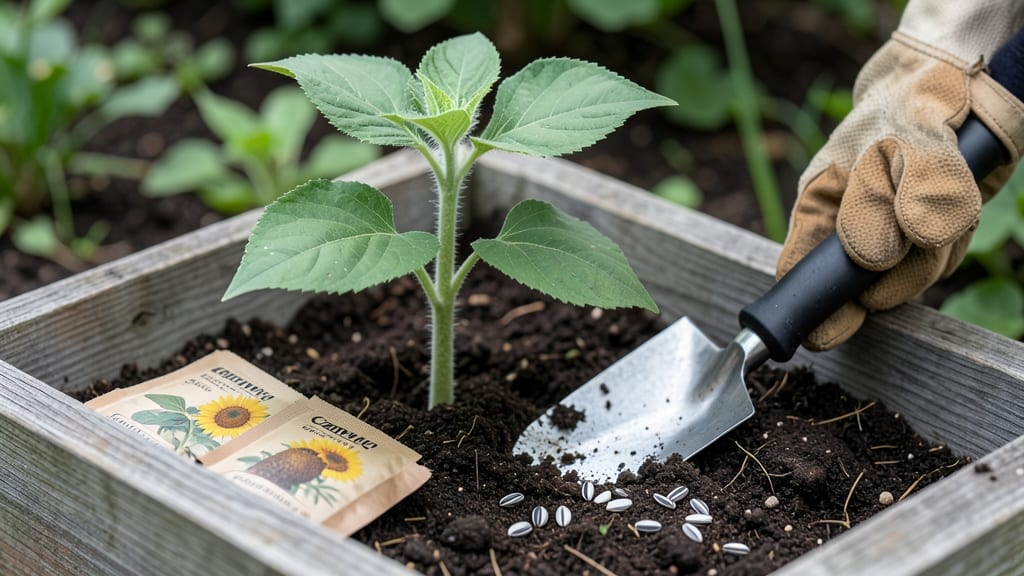
Planting sunflowers in Iowa at the wrong time can mean watching your 🌻 dreams wilt before they even sprout—because timing here isn’t just about the calendar, it’s about the soil’s secret signals.
The late April to mid-June window isn’t arbitrary; it’s when Iowa’s 5a-6b zones finally shake off winter’s chill, and the ground warms enough to coax those towering stems from the earth.
Most gardeners assume "spring" means "go," but Iowa’s unpredictable swings from frost to heat can turn a well-intentioned planting into a gamble. I’ve learned the hard way that waiting for soil temperatures to hit 50°F—not just the last frost date—is the real game-changer.
That’s when your seeds stop playing it safe and start growing like they mean it.
What you’ll discover here is how to outsmart Iowa’s quirks: from adjusting for county-specific frost dates (yes, Sioux County’s rules differ from Scott’s) to spotting the early signs your sunflowers are begging for more warmth.
No more guessing—just science-backed moments to press those seeds into the dirt and watch them race toward the sky.
Whether you’re a first-timer or a veteran gardener, these insights will help you turn your backyard into a sunflower jungle—taller, healthier, and blooming right on schedule. Let’s get those seeds in the ground the right way.
Iowa’s frost-free dates by county: exact planting windows for sunflowers
Iowa’s frost-free dates vary dramatically from the northwest to the southeast, creating distinct planting windows for sunflowers. In Sioux County, where last frosts average May 15, you can start early varieties by late April.
Meanwhile, Scott County in the southeast sees its last frost by April 20, giving gardeners a full two weeks earlier to begin. These differences mean your sunflower variety and planting timing should match your county’s microclimate.
Sunflowers are annuals in Iowa’s USDA Zones 5a-6b, meaning they complete their life cycle each year. For optimal growth, plant dwarf varieties (like ‘Teddy Bear’) in late April and tall varieties (like ‘Mammoth’) after the last frost, typically mid-May.
Rural areas often have earlier frost-free dates than urban centers due to heat island effects, so adjust your schedule accordingly.
Here’s how to use Iowa’s frost-free dates to plan your sunflower planting:
| County | Last Frost (Avg.) | Planting Window | Ideal Variety | Notes |
|---|---|---|---|---|
| Sioux | May 15 | Late April - Early June | Dwarf ('Teddy Bear') | Coldest region; use row covers for early starts. |
| Plymouth | May 1 | Early May - Mid-June | Medium ('ProCut') | Transition zone; monitor soil temps. |
| Polk | td style="padding: 10px;">April 25Mid-April - Late May | Tall ('Mammoth') | Urban areas may frost later; plant near heat sources. | |
| Scott | April 20 | Late April - Early June | Standard ('Russian Giant') | Warmest region; extend season with black plastic mulch. |
| Cedar | May 5 | Early May - Mid-June | Semi-Dwarf ('Sunspot') | Hilly terrain; plant on south-facing slopes. |
For urban gardeners, microclimates can shift frost dates by 1-2 weeks. If your yard is surrounded by pavement or buildings, wait until May 1 to plant, even if your county’s average is earlier.
Use a soil thermometer to confirm the ground has warmed to 50°F—sunflowers won’t sprout in cold soil, no matter how warm the air feels.
Early varieties like ‘Autumn Beauty’ can handle cooler soils and are perfect for northern Iowa counties (e.g., Sioux or Lyon). These bicolor sunflowers mature in just 85 days, giving them time to bloom before the first frost in October.
In contrast, ‘Russian Giant’ needs 120 days and is best suited for southern Iowa, where the growing season stretches into late September.
Adjust your planting depth based on soil moisture. In dry years, plant seeds 1.5 inches deep to retain moisture. In wet springs, stick to 1 inch deep to prevent rot.
Always space seeds 12–24 inches apart, depending on the variety’s mature size—crowding leads to pale, leggy stems and fewer blooms.
If you’re direct-sowing sunflowers, aim for mid-May in most of Iowa to avoid early frost damage. For container growing, start seeds indoors 4–6 weeks before your last frost date, then transplant seedlings after May 15.
Containers dry out faster, so monitor soil moisture closely—sunflowers wilt quickly when thirsty.
Pro tip: Black plastic mulch can warm soil by 5–10°F, letting you plant 2 weeks earlier in cooler counties. Lay the mulch 2 weeks before planting to maximize soil temperature. Pair this with drip irrigation to keep roots consistently moist without overwatering.
Remember, sunflowers are drought-tolerant once established, but young plants need consistent watering. In July and August, increase watering to every 2–3 days
How to adjust sunflower planting for Iowa’s unpredictable weather patterns
Iowa’s weather can be as unpredictable as a sunflower’s growth—one day it’s warm enough to plant, the next it’s back to frost warnings. The key to success lies in flexible planting strategies that account for late springs and early falls.
Unlike warmer climates, Iowa’s USDA zones 5a-6b demand extra precautions to protect your sunflowers from unexpected chills.
Most gardeners focus only on last frost dates, but I’ve found that soil temperature is the real game-changer. Seeds won’t sprout reliably until the ground reaches 50°F, even if the air feels warm.
This mismatch is why so many sunflowers struggle in Iowa—planting too early can lead to stunted growth or rot, while waiting too long may cut the growing season short.
For gardeners in northern Iowa (zones 5a-5b), I recommend starting seeds indoors under grow lights 4-6 weeks before the last frost. Transplant seedlings outdoors only after hardening them off for 7-10 days—this gives them a head start against late frosts.
In southern Iowa (zones 6a-6b), direct sowing works fine, but always have row covers ready.
Don’t forget that black plastic mulch isn’t just for warming soil—it also preserves moisture during Iowa’s dry spells. After planting, water deeply to settle the soil, then let the mulch do the work. This simple trick can mean the difference between wilting seedlings and thriving stalks during July’s heat waves.
If you’re planting in urban areas, microclimates can vary drastically. South-facing walls or paved surfaces radiate heat, creating pockets where sunflowers can grow 2-3 weeks earlier than in open fields. Use these spots for your earliest plantings to maximize your growing window.
Finally, keep an eye on the 10-day forecast in late August. If an early frost is predicted, harvest seed heads before they drop to the ground.
Hang them upside-down in a dry, well-ventilated space to finish drying—this ensures you’ll have seeds for next year’s garden, no matter how early the frost hits.