
Flowers
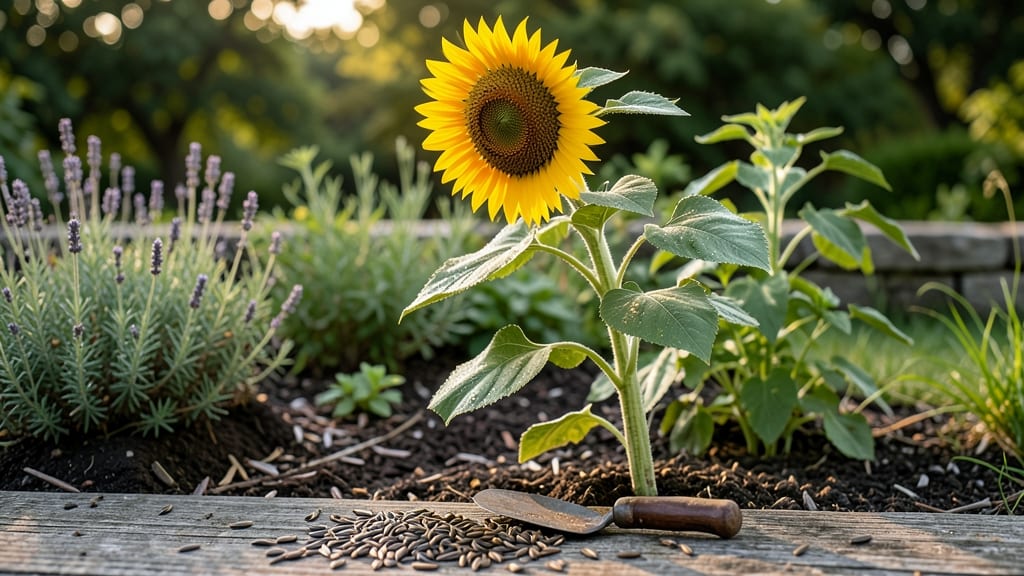
Planting sunflowers in Cape Town might seem tricky with its Mediterranean climate, but timing these bright blooms right can turn your garden into a year-round showstopper. Unlike colder regions, Cape Town’s frost-free zone means you can grow 🌻 sunflowers almost anytime—but not all months are created equal.
The ideal windows are early spring (August–October) or late summer (February–March), when temperatures and rainfall align perfectly for strong growth. Skip the hottest months, and you’ll avoid bolting or stunted plants.
Whether you’re planting in containers or ground beds, I’ll break down the best strategies for Cape Town’s microclimates—no guesswork, just zero-frost success. Ready to grow sunflowers that reach their full potential?
Let’s dive into the exact months, varieties, and care tips that’ll have your sunflowers towering over your garden by harvest season.
Best sunflower planting months in Cape Town’s coastal climate zones
Cape Town’s Mediterranean climate creates a unique opportunity to grow sunflowers year-round, but microclimate differences between the Cape Peninsula and Table Bay areas mean planting timing must be precise.
Unlike frost-prone regions, your zero-frost guarantee means you can plant almost anytime—but heat spikes and seasonal rainfall shifts demand careful planning to avoid bolting or stunted growth.
In the Table Bay area, where summer temperatures hover around 25-30°C, early spring (August-September) offers the perfect balance of mild warmth and increasing rainfall. Meanwhile, the Cape Peninsula’s cooler coastal breezes extend the ideal window into late summer (February-March), when humidity rises and soil moisture remains stable.
Let’s break down the best months for each zone to maximize your sunflower’s bloom potential.
| Zone | Best Planting Months | Key Climate Factors | Heat Tolerance Threshold | Rainfall Alignment |
|---|---|---|---|---|
| Table Bay | August–October | 18–24°C avg, low humidity | Up to 30°C (short-term) | Spring rains (30–50mm/month) |
| Cape Peninsula | February–March | 20–26°C avg, higher humidity | Up to 32°C (with coastal breeze) | Late summer showers (20–40mm/month) |
| Both Zones | July (risky) or November (late) | Cooler/wetter or hotter/drier | 35°C+ triggers bolting | Unpredictable rainfall |
For Table Bay gardeners, August is the sweet spot—soil temperatures hit 16–18°C, perfect for germination without the heat stress of December. Planting in early September ensures blooms by November, when Cape Town’s peak daylight hours (14+ hours) fuel rapid growth.
Avoid October if temperatures exceed 28°C for more than 3 days, as this can cause premature bolting.
The Cape Peninsula’s cooler maritime influence shifts the ideal window to February–March, where afternoon sea breezes prevent heat damage. Here, late February plantings benefit from higher humidity (40–50%) and consistent morning dew, reducing irrigation needs.
Test soil moisture before planting—if the top 5cm feels dry, water deeply 24 hours prior to sowing.
Heat tolerance is the biggest challenge in Cape Town’s summer. Most sunflower varieties bolt when exposed to consistent 30°C+ temperatures for over a week. To mitigate this, choose heat-resistant varieties like ‘Moulin Rouge’ (tolerates up to 35°C) or ‘Autumn Beauty’, which matures faster in 2–3 months. Pair this with drip irrigation set to run early morning (5–7 AM) to keep roots cool.
Rainfall alignment is critical—sunflowers hate soggy soil but need consistent moisture during germination. In Table Bay, align planting with spring rains (August–September), which provide natural watering without over-saturation.
On the Peninsula, February–March showers reduce your need for supplemental watering, but always mulch with straw to retain moisture and prevent crusting.
If you miss the ideal windows, don’t despair—July and November can work with adjustments. July plantings (winter) require greenhouse protection or shade cloth to prevent chilling stress, while November sowings must be watered daily until roots establish (about 2 weeks).
For container growing, use 5-gallon pots with fast-draining mix and move to partial shade during December’s heat peaks.
Pro tip: Direct-sow seeds 1–2 inches deep in well-draining soil with a pH of 6.0–7.0. Cape Town’s sandy soils often need compost amendment—mix in 30% compost before planting to improve water retention. After germination, thin seedlings to 12–18 inches apart
How to adjust sunflower planting for Cape Town’s unpredictable rainfall patterns
Cape Town’s Mediterranean climate brings unpredictable rainfall, especially during winter months when sunflowers need consistent moisture. Without proper adjustments, your plants may bolt prematurely or struggle to establish roots. The key lies in pre-sowing soil prep and smart irrigation scheduling to match Cape Town’s dry spells.
First, test your soil moisture before planting. Use a simple finger test: if the top 2 inches of soil feel dry, it’s time to water deeply.
For container-grown sunflowers, check moisture daily—they dry out 3x faster than in-ground plants. This step alone prevents the #1 mistake Cape Town gardeners make: under-watering during establishment.
- 1
- 2
- 3
- 4
For container sunflowers, use self-watering pots with 10-15% coconut coir mixed into potting soil. This blend holds moisture 2x longer than standard mixes, critical during Cape Town’s dry winter months when rainfall drops to 20mm/month. Monitor containers daily—sunflowers in pots bolt faster when stressed.
If you’re planting in late summer (February–March), prioritize shade cloth during peak heat (12 PM–3 PM). Sunflowers planted this late often bolt within 3 weeks if exposed to 30°C+ temperatures. A 30% shade cloth buys you 10-14 extra days for root establishment.
Remember: Cape Town’s unpredictable rainfall means flexibility. Start with small batches of seeds every 2 weeks from August–October to stagger blooms. This staggered planting ensures continuous flowers even if winter rains fail to arrive.
With these adjustments, your sunflowers will thrive year-round—bolting on schedule and reaching their full 3-16 ft potential, regardless of Cape Town’s dry spells. Happy growing! 🌱