
Flowers
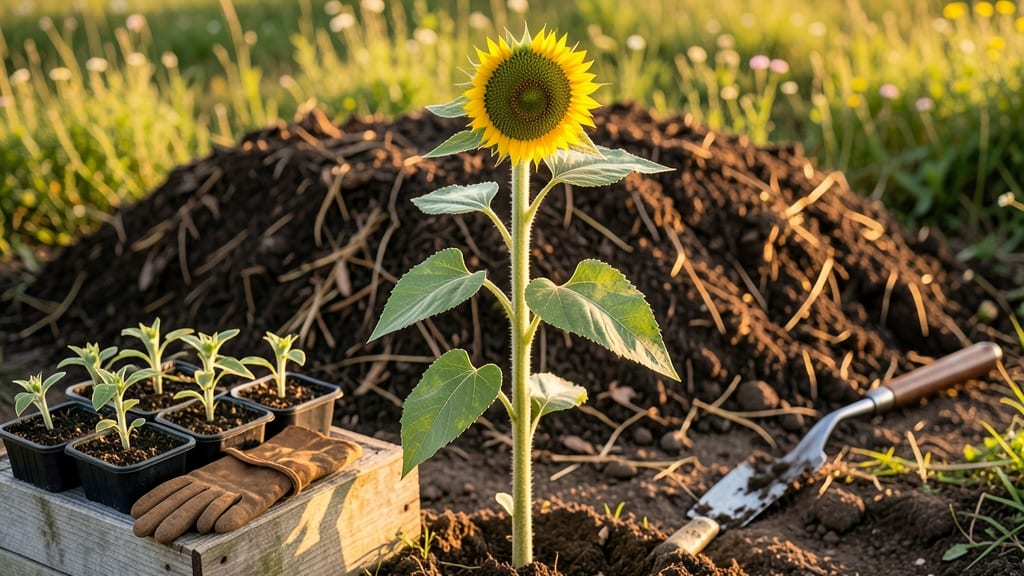
Planting sunflowers for doves in Texas isn’t just about sticking seeds in the ground—it’s about timing them to align with when these birds are hungry and migrating through your area.
In USDA zones 8a-10b, dove populations peak during late summer and fall, but the key to attracting them starts much earlier. If you plant too late, you might miss the window when doves need reliable food sources most.
The best planting months vary by region—North Texas gardeners should aim for mid-March to early May, while Central and South Texas can start as early as February.
Why does this matter? Doves rely on sunflower seeds as a critical food source, and getting the timing right ensures they’ll keep returning to your garden. I’ll break down the exact planting schedule for your heat zone and share pro tips to maximize dove visits.
From choosing fast-maturing varieties to avoiding common mistakes, this guide will help you create a dove-friendly sunflower patch that thrives in Texas’ heat and attracts these beautiful birds year after year.
Best planting months for sunflowers in Texas dove gardens by heat zone
Texas' diverse heat zones create unique planting windows for sunflowers that align perfectly with dove migration patterns. In North Texas (USDA zones 8a-8b), the ideal window runs from mid-March to early May, while Central Texas (zones 8b-9a) can start as early as February.
For South Texas (zones 9a-10b), January through March offers the best timing to ensure seed availability when doves arrive.
Doves rely on sunflower seeds as their primary food source during late summer and fall, so planting too late risks missing their peak feeding periods.
The key is synchronizing your planting schedule with local dove migration—typically arriving in Texas by March—to provide continuous food sources throughout their stay.
| Texas Heat Zone | Best Planting Months | Dove Migration Alignment | Seed Availability Window |
|---|---|---|---|
| North Texas (8a-8b) | Mid-March to early May | Peak arrival: Late March | August-October |
| Central Texas (8b-9a) | February to April | Peak arrival: Early March | July-September |
| South Texas (9a-10b) | January to March | Peak arrival: Mid-February | June-August |
In North Texas, where last frost dates average around February 15, planting in mid-March ensures seeds germinate before summer heat arrives. This timing guarantees mature sunflowers by late summer, when doves are most active.
For Central Texas, starting in February allows seeds to establish before the hottest months, while South Texas gardeners can begin even earlier due to milder winters.
Choosing fast-maturing varieties like 'Autumn Beauty' or 'Mammoth' is critical—these reach maturity in 70-90 days, aligning perfectly with dove feeding schedules. Planting staggered batches every 2-3 weeks extends your seed production window, ensuring doves always have fresh food sources.
This technique works especially well in Central and South Texas, where longer growing seasons allow for multiple plantings.
For North Texas gardeners, avoid planting after early May—late plantings risk immature seeds when doves arrive. Instead, focus on early spring plantings and supplement with winter-hardy varieties if extending the season.
In South Texas, where winters are mild, January plantings provide seeds as early as June, giving doves a head start on their migration.
Always check your local last frost date—planting too early in North Texas risks frost damage, while South Texas gardeners can push January plantings slightly later if nights remain chilly.
Use a soil thermometer to confirm ground temperatures are above 55°F before sowing, as sunflower seeds need warmth to germinate reliably.
Pro tip: Mark your calendar for late summer—this is when doves will be most active in your garden. By then, your sunflowers should be fully mature with dry, seed-filled heads ready for pecking.
In Central Texas, this typically means August plantings, while North Texas gardens should aim for July maturity to align with peak dove activity.
Don't forget to space plants properly—sunflowers need 6 inches between seeds for optimal growth. This spacing also makes it easier for doves to access seeds without competition from your garden tools.
In South Texas, where space might be limited, consider dwarf varieties like 'Teddy Bear' that still produce abundant seeds while taking up less room.
Finally, pair your sunflowers with water sources like shallow bird baths. Doves need water daily, and having it nearby increases their visits. In North Texas, where summers are hot, mulching around sunflower bases helps retain moisture—critical for both plant health and dove attraction during peak feeding times.
With the right timing, your Texas garden can become a dove magnet, offering reliable food sources that keep these birds returning year after year.
The key lies in understanding your local heat zone and aligning planting with dove migration patterns—simple adjustments that make all the difference in creating a thriving wildlife habitat.
How to time sunflower planting for maximum dove attraction
Timing your sunflower planting isn’t just about getting seeds in the ground—it’s about creating a continuous food supply that matches dove migration patterns. Doves in Texas rely on sunflower seeds most during late summer and fall, so your planting schedule should ensure blooms align with these peak times.
The key is to stagger plantings so you have new seed heads maturing every 2-3 weeks, keeping doves returning to your garden.
For maximum dove attraction, focus on fast-maturing varieties like 'Mammoth' (60-70 days) or 'Autumn Beauty' (55-65 days). These varieties produce seeds just in time for dove migration, while slower-growing types risk missing the window.
I’ve found that planting in two staggered batches—one in early spring and another in late spring—gives doves a steady food source from July through October.
- 1
- 2
- 3
- 4
- 5
One of my biggest successes was planting 'Autumn Beauty' sunflowers in early March and again in late April. By July, the first batch was ready, and by September, the second batch provided fresh seeds.
Doves started visiting in mid-July and returned daily until the first frost. The trick is to overlap maturity windows so doves never run out of food.
For Texas gardeners, remember that heat and drought can delay maturity. In USDA zones 9b-10b, where summers are longer, consider shade cloth for young plants to prevent bolting. I’ve also had luck with drip irrigation to maintain consistent moisture without overwatering, which can deter doves from visiting.
Finally, pair your sunflowers with native grasses or low shrubs like switchgrass or muhly grass to create a full dove habitat. These plants provide cover and nesting sites, making your garden even more attractive.
With the right timing and variety selection, your sunflower patch can become a dove magnet year after year.