
Flowers
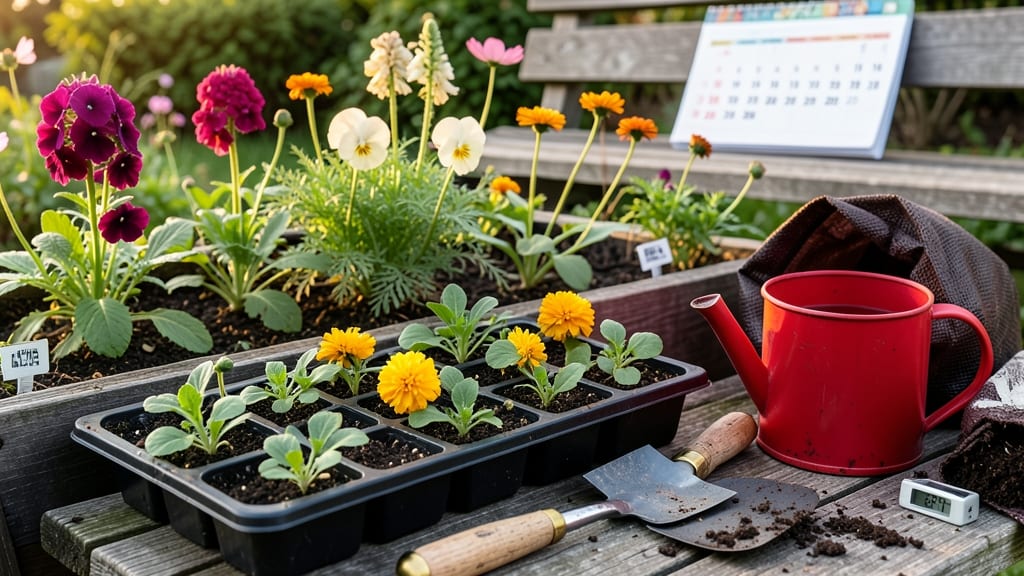
Timing your spring flower planting is the secret weapon for a garden that bursts into color instead of struggling to survive. Whether you're in Zone 6a or beyond, getting those 🌸 in the ground at the right moment means the difference between wilting disappointment and a showstopper display.
Most gardeners wait until after the last frost—usually late April or early May—but that's just the starting line. What you really need is a strategy that accounts for soil temperature, moon phases, and your local microclimate.
I'll show you exactly when to plant for maximum bloom power, so you can skip the guesswork and get straight to the gorgeous results.
The key isn't just about the calendar date—it's about syncing your planting with nature's rhythms. From annuals that love warm soil to perennials that need an early head start, we'll break down the perfect windows for every type of flower.
Plus, I'll share my pro tips for preparing your soil and choosing the right varieties for your region.
Ready to transform your garden into a vibrant paradise? Let's dive into the exact timing and techniques that will give your flowers the strongest roots and longest-lasting blooms all season long.
Best spring planting dates by flower type and US hardiness zones
Spring planting success starts with knowing your USDA Hardiness Zone and the last frost date in your area. These two factors determine whether your annuals, perennials, and bulbs will thrive or struggle.
For example, in Zone 3, you might plant tender annuals as late as mid-May, while Zone 10 gardeners can start as early as February.
Don't just rely on the calendar—soil temperature matters just as much. Most flowers need soil that's at least 60°F (15°C) to germinate properly. You can test this with a soil thermometer or wait until your local extension office confirms the frost-free date.
I always add a row cover for early plantings to protect against surprise frosts.
| Flower Type | USDA Zones | Planting Window | Key Notes |
|---|---|---|---|
| Annuals (e.g., Marigolds, Petunias) | 3-10 | After last frost (Zone 3: May 15; Zone 10: Feb 1) | Direct sow or transplant when soil is 60°F+ |
| Perennials (e.g., Coneflowers, Black-Eyed Susans) | 3-9 | Early spring (Zone 3: April 1; Zone 9: Jan 15) | Plant crowns 1-2 inches below soil line |
| Spring-Blooming Bulbs (e.g., Tulips, Daffodils) | 3-10 | Fall (6-8 weeks before first frost) | Plant bulbs in fall for spring blooms (but divide clumps in spring) |
| Tender Perennials (e.g., Geraniums, Salvias) | 7-10 | After last frost (Zone 7: March 15; Zone 10: Jan 1) | Wait until night temps stay above 50°F (10°C) |
| Cold-Hardy Annuals (e.g., Snapdragons, Calendula) | 3-6 | Early spring (Zone 3: April 1; Zone 6: March 15) | Tolerates light frosts (32°F/0°C) |
For Zone 6a gardeners like me, the sweet spot is typically mid-April to early May for most flowers. I always check my local cooperative extension service for the most accurate frost dates—last year, my petunias struggled because I planted them too early, and a late frost nipped the buds.
If you're in a warmer zone (7-10), you can start planting cool-season flowers like pansies as early as January. These varieties love the cooler temperatures and will bloom nonstop until summer heat arrives. Just be prepared to provide afternoon shade once temps rise above 85°F (29°C).
One trick I swear by is using biodegradable seed starter pots for delicate flowers. This gives their roots a head start before transplanting into the garden. For bulbs, I always plant them in fall—even if they bloom in spring—because they need time to establish roots before winter.
Don't forget about microclimates in your garden. A south-facing wall can warm up soil 2-3 weeks earlier than the rest of your yard. I've planted marigolds near my brick patio in early April when the rest of the garden was still too cold for them.
For container gardening, you have even more flexibility. Potted flowers warm up faster than in-ground plantings, so I often start mine 2-3 weeks earlier than my garden beds. Just remember to use a well-draining potting mix to prevent root rot in those warm containers.
Pro tip: Mark your calendar with the average last frost date for your zone, then count back 4-6 weeks for starting seeds indoors. This gives seedlings enough time to mature before transplanting. I use a seedling heat mat to speed up germination for slow starters like snapdragons.
Finally, always have a backup plan for late frosts. I keep row covers and frost cloth on hand to protect new plantings. Last spring, a late April frost caught me off guard, but my basil
How moon phases affect flower root development and blooming success
Did you know the moon's gravitational pull can influence your flower's growth patterns? When you align your planting schedule with the lunar cycle, you're giving your blooms a natural growth boost that starts with their root development.
The moon's phases affect moisture levels in the soil and plant sap flow, which directly impacts how quickly roots establish and how vigorously flowers bloom.
Most gardeners focus on frost dates, but the waxing moon (when the moon is growing brighter) is ideal for planting flowers that grow above ground, like leaves and blooms. Meanwhile, the waning moon (when the moon is shrinking) supports root crops and underground growth.
Understanding this lunar rhythm can mean the difference between weak stems and vibrant blooms all season.
Here's the science: During the waxing moon, plant sap rises, encouraging above-ground growth. This is perfect for planting annual flowers like marigolds, zinnias, and petunias. Conversely, the waning moon promotes root growth, making it ideal for perennial flowers like peonies, lavender, and daylilies.
Even the new moon and full moon have specific benefits for planting and harvesting.
| Moon Phase | Best For Planting | Flower Families | Growth Focus |
|---|---|---|---|
| Waxing Moon (New to Full) | Annual flowers, leafy plants | Marigolds, Zinnias, Petunias | Above-ground growth |
| Waning Moon (Full to New) | Perennial flowers, root crops | Peonies, Lavender, Daylilies | Root development |
| New Moon | Seed starting, transplanting | All flowers | New growth initiation |
| Full Moon | Harvesting, pruning, weeding | All flowers | Peak energy transfer |
To track moon phases for your planting schedule, start by checking a lunar calendar or using a gardening app that syncs with your location. I recommend planting during the first quarter moon (7 days after new moon) for annuals, as this phase aligns with rapid above-ground growth.
For perennials, aim for the third quarter moon (21 days after new moon) to encourage deep root establishment.
Pro tip: If you're planting bulbs in spring, like tulips or daffodils, time it during the waning moon to support their underground growth. The gravitational pull during this phase helps draw moisture and nutrients downward, giving your bulbs the energy they need for next year's blooms.
Even a small adjustment like this can lead to 20-30% stronger root systems in your perennials.
Don't forget that the moon's influence works best when combined with proper soil preparation. Loosen the soil to 12 inches deep before planting, and mix in compost or aged manure to give your flowers the nutrients they need to thrive.
When you combine lunar alignment with healthy soil, you're setting your blooms up for a season of vibrant color and robust growth that will turn heads in your neighborhood.