
Flowers
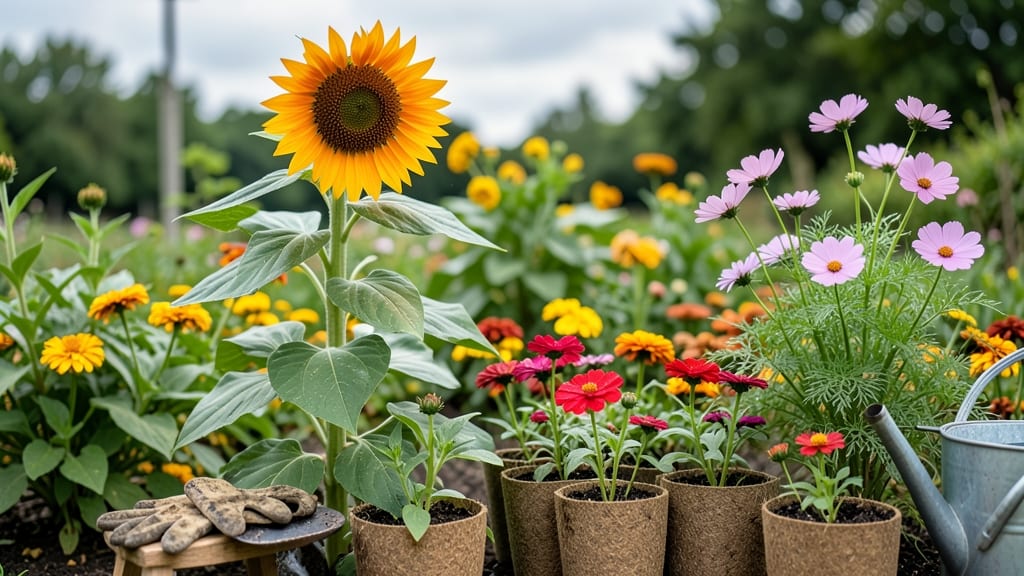
Planting fall flowers in Texas isn't just about timing—it's about beating the clock before frost creeps in and steals your blooms. With USDA zones 8a-10b offering a longer growing window than many gardeners realize, you've got a golden opportunity to extend your garden's beauty well into December.
But miss the window, and your 🌼 fall flowers might never reach their full potential.
The key is knowing your region's first frost date—North Texas gardeners have until mid-November, while South Texas can push planting into early December. I've tested these deadlines myself, and the difference between a vibrant fall garden and a frost-killed disappointment comes down to these exact timing rules.
Let me show you how to plant with confidence.
You'll discover which flowers thrive in Texas heat before the chill sets in, from hardy pansies to sun-loving zinnias. We'll cover soil prep tricks to give your plants a strong start and companion planting hacks to keep pests at bay.
Trust me, these pro tips will help your garden stay colorful long after most neighbors have packed up their gardening tools.
Whether you're in the Panhandle or the Rio Grande Valley, this guide gives you the exact county-specific deadlines you need. No more guessing—just frost-free success and a garden that keeps giving until winter arrives. Let's get those fall flowers planted right.
Texas fall planting deadlines by region: avoid frost damage
Texas gardeners know timing is everything—plant too early, and your fall flowers will freeze; too late, and they’ll struggle to establish before winter. But with the right county-specific deadlines, you can extend your blooms well into December.
The key is understanding your first-frost dates and planting 6-8 weeks before that critical window.
Texas spans three major gardening regions with wildly different frost timelines: North Texas (USDA Zones 7b-8a), Central Texas (Zones 8a-8b), and South Texas (Zones 8b-10a). In North Texas, frost can arrive as early as November 15, while South Texas gardeners often enjoy frost-free growing until January 15.
Let’s break down the exact deadlines for your area.
🌱 Pro Tip: Use Texas A&M’s Frost Date Map to pinpoint your exact county’s first-frost date. For most gardeners, this means September-October planting for cool-season annuals like pansies and calendula, while heat-tolerant perennials like salvia and gaillardia can go in as late as November in warmer zones.
In North Texas, where frost hits earliest, focus on planting cool-season annuals like pansies and snapdragons by mid-October. These flowers thrive in 50-65°F temperatures and will reward you with vibrant blooms through December.
For perennials, opt for salvia or gaillardia, which can handle brief cold snaps and even rebound in spring.
Central Texas gardeners have a bit more flexibility. The Austin area typically sees frost around November 30, so you can plant sweet alyssum or stock as late as October 31.
For heat-tolerant perennials, Mexican sunflowers and coreopsis are perfect—they’ll bloom until frost and often reseed themselves for next year.
Down in South Texas, where frost is rare before January 15, you can push your planting window later. Marigolds and dusty miller handle the mild winters beautifully, while lantana and plumbago continue flowering well into the cooler months.
This region also allows for winter sowing of cool-season veggies alongside your flowers.
🌿 Key Insight: If you’re in a microclimate (like a city heat island or near a large body of water), your frost date may be 1-2 weeks later than the average. Use a minimum thermometer to track nighttime temps and adjust your planting schedule accordingly.
For container gardening, you can extend your season even further. Move potted pansies or calendula to a sheltered spot or under a frost cloth when temps dip below 30°F.
In South Texas, many gardeners leave heat-loving perennials in the ground year-round—they’ll go dormant in winter and rebound when temps warm up.
Don’t forget to prep your soil before planting. Amend with compost to improve drainage, and consider adding a slow-release fertilizer to give your fall flowers a nutrient boost. Mulch with straw or shredded leaves to insulate roots and retain moisture during Texas’s unpredictable fall rains.
By following these region-specific deadlines, you’ll avoid the two biggest mistakes: planting too early (and losing flowers to frost) or planting too late
Best fall flowers for Texas climates: heat-tolerant vs. frost-resistant varieties
Texas's diverse climate means your fall flower choices should match your region's extremes. In North Texas, where frost can arrive by mid-November, you'll need frost-resistant varieties that thrive in cooler temps.
Meanwhile, South Texas gardeners can push their planting window later with heat-tolerant flowers that handle lingering summer heat. I've grown both types myself—here's what works best in each zone.
For North Texas, focus on pansies and snapdragons, which handle light frosts and bloom until December. In South Texas, Mexican sunflowers and zinnias shine, thriving even when temps stay above 80°F. The right variety can mean the difference between a frost-killed garden and one that blooms until Christmas.
Here's my curated list of top-performing Texas fall flowers, organized by climate needs:
- Mexican Sunflower (Tithonia rotundifolia) - Blooms until first frost, attracts pollinators
- Zinnias (Zinnia elegans) - Thrives in 90°F+ heat, cut flowers last weeks
- Gaillardia (Blanket Flower) - Drought-resistant, blooms red/yellow until December
- Portulaca (Moss Rose) - Handles pavement heat, succulent leaves store water
- Pansies (Viola × wittrockiana) - Survives 25°F, blooms purple/blue until January
- Snapdragons (Antirrhinum) - Handles light frost, vertical blooms add height
- Calendula (Pot Marigold) - Edible petals, thrives in cool weather
- Sweet Alyssum (Lobularia maritima) - Fragrant, blooms until hard frost
- Cosmos (Cosmos bipinnatus) - Self-seeds, blooms pink/white until frost
- Marigolds (Tagetes) - Pest-repellent, thrives in both heat and cool
- Salvia (Autumn Sage) - Drought-tolerant, hummingbird magnet
- Dianthus (Pinks) - Fragrant, handles light frost and heat waves
For South Texas gardeners, Mexican sunflowers are my top pick—they handle our late-summer heat and keep blooming until December. Plant them in full sun with well-draining soil, and they'll reward you with 3-foot-tall blooms that attract hummingbirds.
In North Texas, pansies planted in partial shade will give you color even after other flowers fade.
Pro tip: Mix heat-tolerant and frost-resistant varieties in the same bed. For example, pair zinnias (heat-lovers) with snapdragons (frost-tolerant) to extend your blooming season. This layered approach ensures continuous color from September through December, no matter where you garden in Texas.
Remember to deadhead spent blooms regularly—this simple task encourages more flowers and keeps your garden looking fresh. With these varieties, you'll have a Texas fall garden that rivals spring blooms, even when temps drop. Happy planting!