
Planting
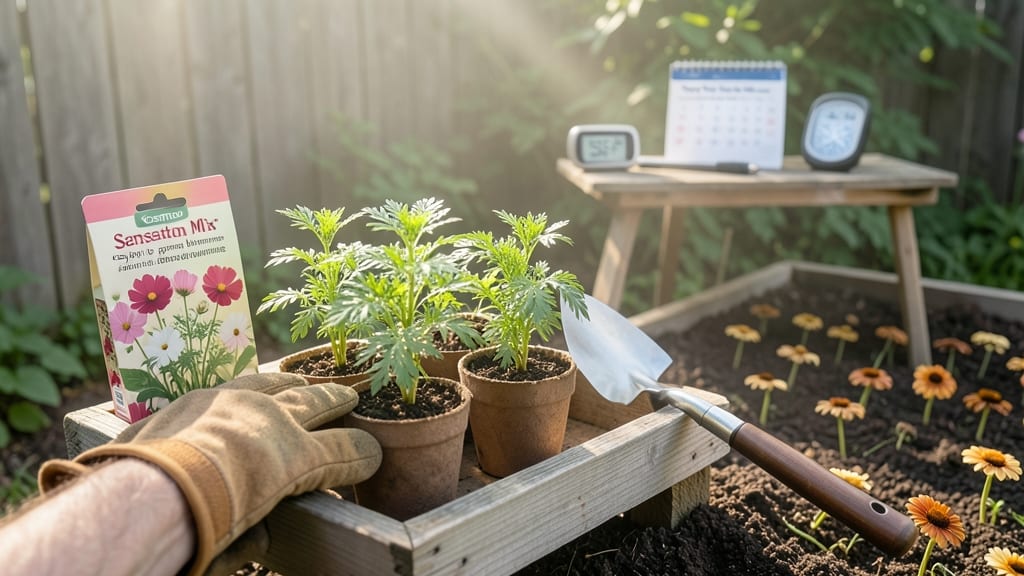
Planting your cut flower seeds 🌸 at the wrong time can mean the difference between a garden bursting with vibrant blooms and a season of disappointment.
Whether you're in a cooler climate like Zone 6a or a warmer region, timing matters more than you might think—especially when you're dreaming of fresh bouquets by summer.
I've learned the hard way that rushing seeds into cold soil or waiting too long can leave you with weak stems and sparse harvests. The key is understanding your local frost dates and how different varieties respond to temperature shifts.
For example, zinnias thrive when sown after the last frost, while hollyhocks prefer cooler spring soil.
In this guide, I'll break down exactly when to plant your favorite cut flowers, from March starts for early blooms to succession plantings that keep your bouquets coming all season. Whether you're starting seeds indoors or sowing directly outside, you'll get a clear schedule tailored to your zone.
Ready to transform your garden into a cut flower paradise? Let's dive into the perfect planting calendar so you can enjoy those June-October harvests without the guesswork.
Best months to plant cut flower seeds by USDA hardiness zone
Planting cut flower seeds at the right time ensures strong stems, vibrant blooms, and a continuous harvest for your bouquets. Since USDA zones 3-10 experience vastly different climates, I’ve broken down the best months for popular flowers like zinnias, sunflowers, cosmos, and snapdragons.
Whether you’re in a cold northern zone or a warm southern one, this guide helps you avoid frost damage and maximize bloom time.
Most cut flowers thrive when sown after the last frost date, but some—like hollyhocks—prefer cooler soil. Heat-loving varieties, such as celosia, should wait until soil temperatures reach 60°F+.
Below, I’ll share a zone-by-zone planting calendar, including succession planting tips to keep your garden in bloom all season.
| USDA Zone | Early Spring (Cool-Season Flowers) | Late Spring/Early Summer (Heat-Tolerant) | Fall (Succession Planting) | Notes |
|---|---|---|---|---|
| Zones 3-5 | March–April (after last frost) | May–June (soil 60°F+) | August–September (6-8 weeks before frost) | Start snapdragons and hollyhocks indoors in Feb. |
| Zones 6-7 | April (after frost) | May–June | July–August | Cosmos and zinnias self-seed easily—thin seedlings. |
| Zones 8-9 | February–March (cool season) | March–April (direct sow) | September–October | Sunflowers and dahlias need warm soil—wait until April. |
| Zone 10 | Year-round (staggered) | January–February | October–November | Use shade cloth for heat-sensitive varieties like statice. |
For zones 3-5, where winters are harsh, focus on cool-season flowers like snapdragons and sweet peas for early spring blooms. These varieties tolerate light frosts and even thrive in cooler temperatures.
In contrast, zones 8-10 can plant heat-loving flowers like celosia and gomphrena as early as February, provided soil temperatures stay above 55°F.
Succession planting is key to a continuous harvest. For example, sow cosmos every 2-3 weeks from May through July in zones 6-9. This ensures fresh blooms for your bouquets without gaps.
In zone 10, where frost is rare, you can plant annuals like zinnias in January and again in September for fall arrangements.
Heat tolerance varies by flower. Sunflowers and marigolds handle high temperatures well, while snapdragons and stocks may bolt in 90°F+ weather.
If you live in a hot climate (zones 9-10), opt for heat-resistant varieties like celosia or zinnia ‘Benary’s Giant’, which thrive in full sun and dry conditions.
Frost sensitivity is another critical factor. In zones 3-5, avoid planting tender annuals like dahlias until after the last frost date, typically mid-May. Use row covers to protect seedlings if an unexpected frost hits.
In zones 6-7, you can push the envelope slightly—plant hardy zinnias in late April if nighttime temps stay above 40°F.
To extend your harvest, try container gardening for late starts. Fill pots with well-draining soil and sow fast-blooming flowers like bachelor’s buttons in June for a summer-to-fall display. This works especially well in urban gardens or small spaces where in-ground planting isn’t possible.
Pro tip: Mark your planting dates on a garden calendar and include moon phases for optimal growth. For example, planting during a waxing moon is said to encourage above-ground growth—ideal for leafy cut flowers like statice or echinacea.
Pair this with regular deadheading to prolong blooms and keep your garden productive.
By following this zone-specific guide, you’ll avoid the frustration of weak stems or poor blooms and instead enjoy a bountiful harvest of cut flowers all season long. Happy planting! 🌻
How to adjust planting times for long-lasting cut flowers
Extending your cut flower harvest doesn’t just happen by chance—it takes smart planning. I’ve found that staggered sowing and strategic timing can turn a single harvest into a continuous bouquet supply. The key is understanding how different flowers bloom at different speeds and how to space them for maximum freshness.
Fast-blooming varieties like zinnias and cosmos can be sown every 2-3 weeks for nonstop color, while slower varieties like hollyhocks or peony need a single early start. Mixing both ensures you always have fresh stems ready for arrangements, whether you’re crafting a summer wedding bouquet or a fall centerpiece.
Here’s how to adjust your planting schedule for a garden that keeps giving:
- 1. Start slow-bloomers early (March-April) for June harvests. Peonies and dahlias need 100+ days to mature.
- 2. Sow fast-bloomers every 2 weeks (May-July) for continuous cuttings. Zinnias and sunflowers bloom in 60-70 days.
- 3. Use containers for late starts. Snapdragons and sweet peas can be planted in pots in August for fall/winter blooms.
- 4. Plant heat-resistant varieties (like celosia) in July-August to extend the season into October.
- 5. Succession plant annuals every 4 weeks to maintain bouquet freshness. Cosmos and marigolds are perfect for this.
Another trick I swear by is using container gardening for late starts. If you missed the spring planting window, you can still grow snapdragons or sweet peas in pots on a sunny patio. These varieties tolerate cooler temperatures better than many others, giving you a second chance for fall arrangements.
When planning your bouquet arrangements, think about color progression. Plant early bloomers like tulips alongside late-season flowers like chrysanthemums to ensure you always have a mix of colors. This way, your June weddings get the same vibrant hues as your September holiday displays.
Finally, don’t forget to harvest strategically. Cut flowers in the morning when buds are just opening—they’ll last longer in your vase. And always leave at least 1/3 of the stem on the plant to encourage more blooms.
With these adjustments, you’ll enjoy longer harvests and fewer gaps in your bouquet supply.