
Plants
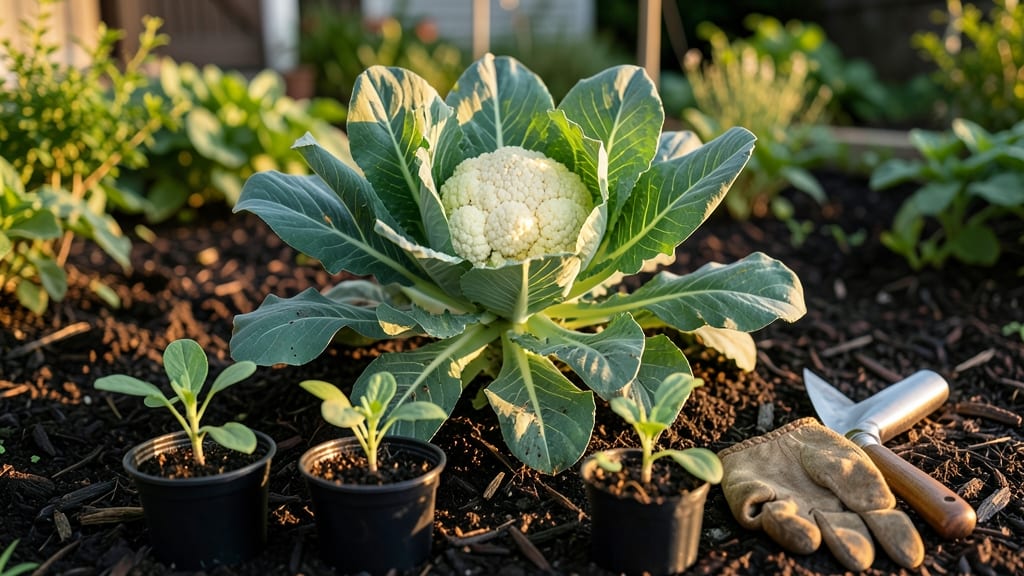
Planting cauliflower in Zone 9b at the wrong time means bitter, bolted heads instead of the crisp, flavorful curds you crave. The key to success here isn't just knowing when to plant—it's understanding how to work with your climate's quirks to keep your 🥬 happy and productive.
In Zone 9b, where desert heat lingers well into fall, timing matters more than you might think. Most gardeners assume spring is the only game in town, but fall planting is actually your best bet for avoiding the dreaded bolting that turns your heads into tough, inedible stalks.
The trick? Start seeds indoors in late summer, then transplant them just as the temperatures begin to cool.
Why does this work? Cauliflower thrives in cooler weather, ideally between 50–65°F, which is exactly what Zone 9b offers in October and November.
If you plant too early, the heat will send your plants into a stress spiral, and if you wait too long, you might miss the window entirely. Let me show you exactly how to nail the timing—so you can enjoy homegrown cauliflower without the guesswork.
From choosing the right varieties to extending your growing season with simple tricks, we'll cover everything you need to know. Whether you're a seasoned gardener or just starting out, these insights will help you grow cauliflower that's sweeter, tighter, and ready to harvest at the perfect moment.
Optimal fall planting dates for cauliflower in Zone 9b (avoid bolting!)
In Zone 9b, where summer temperatures can linger well into fall, timing your cauliflower planting is everything. The ideal window for fall planting is mid-October to early November, when daytime highs drop below 75°F and nighttime temps settle into the 50–65°F range.
This sweet spot prevents the heat stress that triggers bolting—the enemy of tender curds.
Cauliflower is a cool-season crop, but Zone 9b’s extended heat makes spring planting risky. Fall offers cooler nights and milder days, giving your plants the perfect conditions to mature without rushing.
If you plant too early (like in September), your seedlings may bolt from residual summer heat, while planting too late (December+) risks heads forming too close to winter chill.
To calculate your exact window, start by finding your average last frost date in Zone 9b—typically around January 15. Count backward 75–90 days (cauliflower’s maturity range) to land on your transplant date.
For Phoenix, this usually means mid-October, while coastal areas like San Diego can stretch it to early November.
Here’s the golden rule: Transplant seedlings when soil temps are 50–65°F and daytime highs stay below 70°F. Use a soil thermometer to check—if it’s warmer, delay planting or use shade cloth to protect young plants. This precision keeps your cauliflower focused on head formation instead of survival mode.
| Planting Stage | Zone 9b Window | Temperature Threshold | Key Tip |
|---|---|---|---|
| Start Seeds Indoors | Late August | 60–70°F soil | Use grow lights; avoid direct sun. |
| Transplant Seedlings | Mid-October to Early November | 50–65°F daytime | Hardening off for 7–10 days first. |
| Head Formation | November–December | 45–60°F nights | Tie leaves over heads to blanch. |
| Harvest Ready | January–March | 40–55°F ideal | Pick before heads split or yellow. |
If you’re planting in cooler microclimates (like higher elevations near Zone 9b), you can push your window slightly later—even into early December. But in desert areas, stick to the mid-October cutoff to avoid the January chill.
Pro tip: Monitor your local Almanac’s frost predictions and adjust by 2–3 weeks if your area runs warmer or cooler than average.
One common mistake is assuming "fall" means you can plant anytime after Labor Day. In Zone 9b, September heat is still a threat—even if the calendar says "autumn." Test your soil temperature before planting; if it’s above 65°F, wait or use shade cloth to protect seedlings.
This small step can save you from bitter, bolted heads.
For container growers, the timing is similar, but containers heat up faster. Plant in black pots (they absorb heat) or use reflective mulch to keep roots cool. Also, containers dry out quicker, so water daily in September and every other day in October to maintain moisture.
Remember, cauliflower’s head size is directly tied to temperature stability. In Zone 9b, aim for consistent 50–65°F days during head formation (November–December). If nights dip below 45°F, use row covers or move pots to sheltered spots. This consistency is what turns your garden into a cauliflower powerhouse.
Finally, don’t overlook the power of companion planting. Pair your cauliflower with bush beans or lettuce to shade the soil and retain moisture. Avoid planting near tomatoes or peppers, which compete for nutrients and can stress your cauliflower during critical growth stages.
With these adjustments, you’ll be harvesting tight, sweet heads instead of tough, bolted stalks.
Timing is your secret weapon in Zone 9b. Master these fall dates, and you’ll enjoy homegrown cauliflower that rivals the grocery store—without the bitter aftertaste of bolting. Happy planting! 🌱
How to extend cauliflower’s growing season in hot climates (cooling tricks)
Even with perfect fall planting timing, Zone 9b’s lingering heat can still trigger bolting in your cauliflower. The key to extending your growing season lies in cooling strategies that mimic ideal conditions.
When daytime temps creep above 75°F after transplanting, your plants will bolt within days—unless you intervene with these proven tricks.
First, shade cloth is your best friend during late fall heatwaves. Use 30–50% shade cloth to reduce soil and air temps by 10–15°F. Install it at mid-morning when sun is strongest, then remove it by late afternoon to allow light for photosynthesis.
For container growers, shade cloth is non-negotiable—pots heat up like ovens in full sun.
- 🌡️ 1. Mulch heavily with 3–4 inches of straw or wood chips to insulate roots and keep soil temps stable below 65°F.
- 💧 2. Water deeply at soil level (not overhead) every 2–3 days to prevent heat stress and maintain 60–70% soil moisture.
- 🌿 3. Plant companions like bush beans or lettuce to shade soil and reduce evaporation.
- ✂️ 4. Prune lower leaves to improve airflow and reduce heat buildup around the head.
- 🌱 5. Use row covers at night if temps drop below 45°F to protect young heads.
Don’t underestimate the power of soil moisture management. Cauliflower roots need consistent hydration, but soggy soil causes rot. Water deeply in the morning (1–2 inches per week) and avoid wetting leaves to prevent fungal diseases. In containers, use self-watering pots or bury the pot halfway to keep roots cool.
For extreme heat (above 80°F), consider intercropping with fast-growing crops like radishes or spinach. These shade the soil temporarily while your cauliflower matures. Another trick: plant in raised beds filled with 50% compost—this improves water retention and cools roots faster than regular soil.
Finally, watch for heat stress signs: yellowing leaves, stunted growth, or heads that start splitting. If you see these, immediately reduce sunlight exposure with shade cloth and increase watering frequency.
With these cooling tricks, you can push your cauliflower’s harvest window 2–3 weeks later than average—giving you fresh heads well into winter.
Zone 9b’s heat doesn’t have to ruin your cauliflower dreams. By combining shade, mulch, and smart watering, you’ll keep your plants cool enough to form tight, sweet heads instead of bitter stalks. Try these tricks this fall, and you’ll be harvesting cauliflower when others are giving up! 🌿