
How To
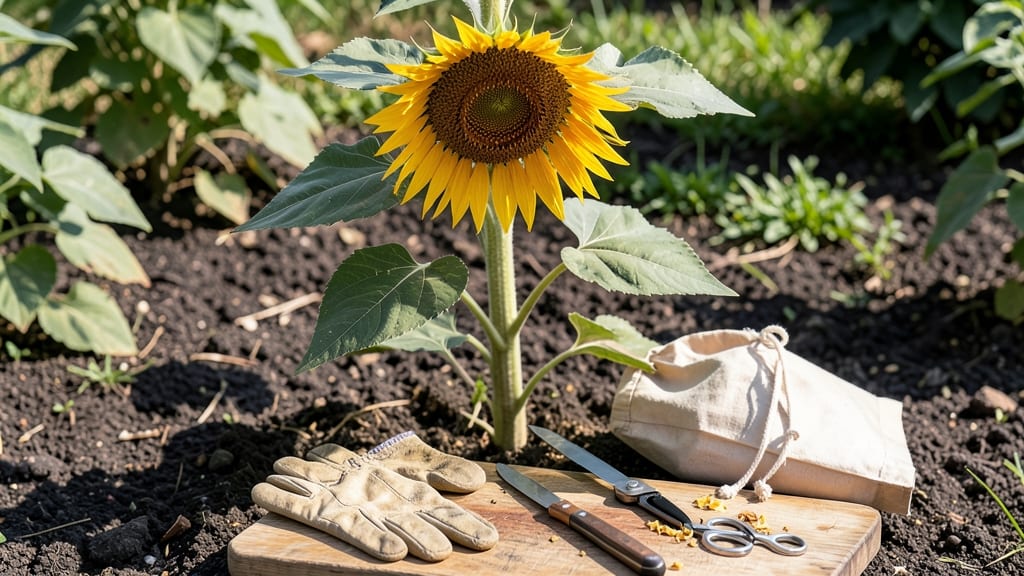
Timing your sunflower seed harvest wrong could mean bitter, shriveled seeds or wasted effort—so knowing when to pick sunflower seeds is the key to a flavorful, nutritious bounty.
The 🌻 you planted in spring will reward you with edible seeds only if you catch them at the perfect moment, when the back of the head turns golden and the seeds rattle like a tiny drum.
Most gardeners in Zone 6a start watching for these signs in late summer, but the exact timing depends on your variety and weather. A quick shake test or checking seed color can save you from harvesting too early—or too late, when birds or frost ruin your crop.
Let’s break down the foolproof way to tell when your sunflowers are ready.
You’ll also learn how to handle post-harvest drying and storage to keep seeds viable for months. Whether you’re saving seeds for next year’s garden or roasting them for snacks, these tips ensure your effort pays off. Ready to master the harvest?
From petal drop to seed rattling, we’ll cover every clue your sunflowers give—and how to act fast before the first frost hits. No more guesswork, just a perfect harvest every time.

How to determine sunflower seed maturity by head color & texture
Sunflowers give you clear visual cues when their seeds are ready for harvest—starting with petal changes and ending with a dry, rattling head. The back of the seed head is your best indicator: when it turns from green to yellow-brown, you’re in the perfect harvest window.
This usually happens 90-120 days after planting, but your local climate and variety can shift this timeline by weeks.
Watch for the petals to drop naturally—this signals the plant is redirecting energy to seed development. If you see birds pecking at the head, act fast, as they’ll strip seeds before you can harvest.
In Zone 6a, this typically occurs in late August to early October, but early-maturing varieties may be ready as soon as July.
Here’s how to check maturity in just seconds: Gently shake the seed head. If seeds rattle inside like a tiny drum, they’re ready. If it feels soft or spongy, wait another 5-7 days.
Immature seeds will be greenish-white and underdeveloped, while mature seeds turn dark brown or black with a hard shell.
Pro Tip: Use a magnifying glass to inspect seed color up close. Mature seeds should have distinct stripes and a glossy finish. If seeds are still dull or powdery, they need more time on the plant.
🌻 Variety Matters: Dwarf sunflowers (1-3 ft tall) mature faster than standard varieties (8-16 ft). For example, ‘Teddy Bear’ may be ready in 60-70 days, while ‘Russian Giant’ takes 100-120 days. Always check your seed packet for days-to-maturity guidelines.
| Maturity Stage | Head Color | Seed Texture | Rattle Test | Action |
|---|---|---|---|---|
| Immature | Green petals, green back | Soft, pliable | No sound | Wait 7-10 days |
| Partially Mature | Brown petals, yellow-green back | Firm but slightly spongy | Dull thud | Harvest soon |
| Fully Mature | Brown petals, yellow-brown back | Hard, dry shell | Loud rattle | Harvest immediately |
| Overripe | Dry, brittle petals | Crumbly, seeds scatter | Empty or hollow | Too late; discard |
Don’t rely solely on color—seed texture is equally important. Run your thumb over the seed head’s back: if it feels rough and papery, seeds are ready. If it’s still smooth or sticky, wait a few more days.
Overripe seeds scatter easily when touched, and the head may split open—a sure sign you missed your window.
🌾 Regional Adjustments: In warmer climates (Zones 8-10), sunflowers may mature 2-3 weeks earlier than Zone 6a. Conversely, cooler zones (Zones 3-5) could delay maturity by 10-14 days. Always monitor frost dates—harvest before the first frost, even if seeds aren’t fully mature.
For dwarf varieties, focus on the base of the head turning brown first. Standard varieties often show maturity from the
Best weather conditions for harvesting sunflower seeds (rain, humidity & temperature)
Harvesting sunflower seeds at the wrong time due to weather conditions can ruin your crop—moisture, temperature, and humidity all play critical roles in seed quality. The ideal window for harvesting is when seeds are fully mature but before rain or frost sets in.
In Zone 6a, this typically falls between late August and early October, but your local climate dictates the exact timing.
Sunflowers thrive in dry, warm conditions during harvest season. High humidity or recent rainfall can lead to moldy seeds or delayed drying, while extreme heat may cause seeds to shrivel prematurely. Paying attention to these factors ensures your seeds stay flavorful, plump, and ready for storage or roasting.
Before harvesting, check the seed head’s moisture level. If the back of the head feels damp or the seeds stick together, wait for 2-3 dry days to allow excess moisture to evaporate. This step is crucial—wet seeds are prone to spoilage and won’t store well.
🌿 Temperature also matters: aim for harvesting when daytime temperatures hover between 60°F and 80°F. Cooler mornings (50°F–60°F) are ideal because they slow seed respiration, preserving freshness. Harvesting in scorching heat can cause seeds to dry out too quickly, reducing their shelf life.
⚠️ Critical Harvest Warning: When to Avoid Picking After Rain
Never harvest sunflower seeds within 48 hours of rain—even light showers can leave moisture trapped inside the seed head. This humidity promotes mold growth, turning your seeds bitter or slimy. If rain is forecasted, harvest immediately and dry seeds indoors under a fan or in a well-ventilated area.
🌧️ Signs your seeds are too damp: Sticky seed heads, slow drying time (over 7 days), or a musty smell when opened.
Humidity levels above 60% during harvest can be disastrous. If you live in a humid climate, consider harvesting earlier in the season or using a dehumidifier during drying. Store seeds in airtight containers with silica gel packets to absorb excess moisture and extend shelf life up to 12 months.
After harvesting, monitor seeds daily for drying progress. They’re ready for storage when the seed coat feels hard and dry to the touch. Spread seeds on a paper towel-lined tray in a cool, dark place (around 50°F–60°F) for 1–2 weeks, stirring occasionally.
This method ensures even drying without exposure to direct sunlight, which can bleach or weaken seeds.
🌾 For the best results, harvest on a clear, sunny morning when dew has evaporated but temperatures are still mild. This balance minimizes stress on the plant and maximizes seed quality. With these weather-smart tips, you’ll transform your sunflower harvest into a nutritious, long-lasting garden treasure.