
How To
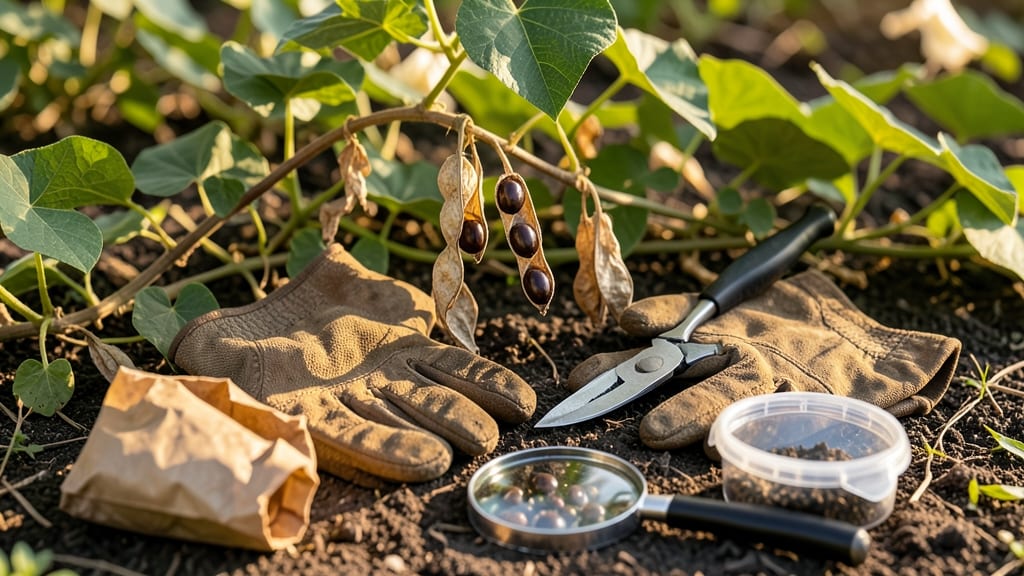
Timing the harvest of moonflower seed pods is the key to saving seeds that will sprout strong, healthy plants next season—but miss the window, and you’ll end up with scattered seeds instead of a stash.
These delicate pods turn from green to brown and dry out quickly, making it easy to overlook the perfect moment before they split open on their own.
You’ll know it’s time when the pods rattle slightly when shaken, signaling fully developed seeds inside. This usually happens in late summer to early fall, around August to September in most regions, including USDA Zone 6a.
Harvesting at this stage ensures the best viability for storage and future planting.
Don’t wait too long, though—once the pods turn completely brown and start splitting, the seeds scatter, and your chances of saving them diminish. I’ll walk you through how to spot these ripe pods, the best time of day to harvest, and what to do with them once they’re in hand.
Whether you’re a seasoned gardener or just starting with 🌙 Moonflower, these tips will help you maximize your seed yield without damaging the plant. Let’s get those pods harvested before they self-seed all over your garden!

How to identify ripe moonflower seed pods before they split
Moonflower seed pods start as bright green and firm, but as they mature, they undergo dramatic changes. The key to harvesting at the perfect time lies in observing three essential visual and tactile cues: color shifts, texture transformations, and internal seed development.
Missing these signs means risking empty pods or scattered seeds—so let’s break down exactly what to look for.
First, watch for the color transformation from vibrant green to a dull, tan or light brown hue. This shift signals the pod’s transition from growth to maturity.
However, be cautious—overly dark or blackened pods may indicate rot or pest damage. The ideal color is a uniform tan that covers the entire pod surface.
Next, focus on texture changes. Ripe moonflower pods develop a papery, dry feel—almost like crumpled parchment—when pressed gently. If the pod still feels firm or rubbery, it’s not ready. A mature pod will also rattle slightly when shaken, revealing fully developed seeds inside waiting to be collected.
Here’s where many gardeners go wrong: they harvest based on flower wilting alone. While wilted blooms do precede ripe pods, the pods themselves need 2-4 weeks more to mature after the flowers fade. This waiting period ensures seeds reach full viability, so patience pays off in healthier next-year plants.
🌱
| Pod Stage | Color | Texture | Sound When Shaken | Seed Development | Action |
|---|---|---|---|---|---|
| Immature | Bright green | Firm, smooth | Silent | Underdeveloped | Wait 4-6 weeks |
| Mature (Ready) | Tan/brown | Papery, dry | Rattles | Fully formed | Harvest immediately |
| Overripe | Dark brown/black | Brittle, splits easily | Empty or loose seeds | Scattered or shriveled | Avoid—seeds may not germinate |
To inspect pods without harming the plant, use a gentle touch—never twist or pull. Instead, hold the pod between your thumb and forefinger and press lightly. If it feels dry and hollow with seeds rattling inside, it’s time to harvest.
For stubborn pods, use clean pruning shears to snip the stem just above the pod, leaving a small portion attached to prevent damage to the vine.
Regional variations matter here: in warmer climates (Zones 9-11), pods may ripen as early as July, while in cooler zones (6-8), they typically reach maturity by late August or September.
Always check for frost warnings—if cold weather approaches, harvest pods even if slightly underripe and dry them indoors to preserve viability.
Pro tip: Collect pods on a dry, sunny morning when moisture levels are lowest. This reduces the risk of mold during storage and ensures seeds remain dry. Store harvested pods in a paper bag (not plastic) in a cool, dark place for 1-2 weeks to complete drying before processing.
One common mistake is assuming all pods on a plant ripen simultaneously. In reality, moonflowers produce pods at different stages—so monitor the plant weekly. Mark the earliest ripening pods with a soft tie or flag to track progress and avoid missing the harvest window.
🔍
Remember, the goal is to harvest when seeds are fully mature but pods remain intact. Overripe pods split open naturally, releasing seeds into the soil—so stay vigilant! With these cues, you’ll master the art of timing and enjoy a bountiful harvest of moonflower seeds ready for next season’s garden.
Best time of day and season to harvest moonflower seeds
Harvesting moonflower seed pods at the right time of day and season makes all the difference in seed viability. In temperate climates like USDA Zone 6a, aim for late August to early September when pods turn brown and dry.
Tropical regions can extend this window slightly, but avoid harvesting after the first frost—cold temperatures reduce seed germination rates.
The best time of day to harvest is on a dry, sunny morning after dew has evaporated. This prevents moisture from lingering on the pods, which can lead to mold. I always check for dry, papery pods that rattle when gently shaken—a sure sign seeds are ready.
Avoid harvesting after rain or in high humidity, as damp conditions accelerate pod splitting.
Moon phases also play a subtle role in seed viability. Harvesting during a waning moon (after the full moon) is traditionally believed to enhance seed potency, though science backs this up only in terms of reduced moisture stress. Pair this with cool evening temperatures (60-70°F) for optimal drying conditions.
| Climate Zone | Best Season | Ideal Time of Day | Temperature Range | Moon Phase Preference |
|---|---|---|---|---|
| Temperate (Zones 6-9) | Late August–Early September | Dry, sunny morning | 60–75°F (15–24°C) | Waning moon |
| Tropical (Zones 10-12) | September–October | Early morning (before 9 AM) | 70–80°F (21–27°C) | Full moon or waning |
| Cold Climates (Zones 4-5) | Early September (before frost) | Mid-morning (after dew dries) | 55–65°F (13–18°C) | Any (prioritize dry days) |
Weather patterns directly impact seed viability. If humidity exceeds 60%, harvest pods immediately and dry them indoors with a fan or dehumidifier. In dry climates, pods may dry faster—monitor them daily to avoid overripening.
I’ve found that light morning frosts can trigger pod splitting, so act quickly if temperatures dip unexpectedly.
Once harvested, store pods in a paper bag in a cool, dark place (50–60°F) for 1–2 weeks to complete drying. Seeds stored this way retain 90% viability for up to 2 years. For long-term storage, transfer seeds to an airtight container with a silica gel packet to absorb moisture.
Pro tip: Label your seed packets with the harvest date and climate zone—this helps track viability over time. I’ve had the best success with moonflower seeds harvested in September from Zone 6a, which germinated at a 95% rate the following spring.