
Propagation
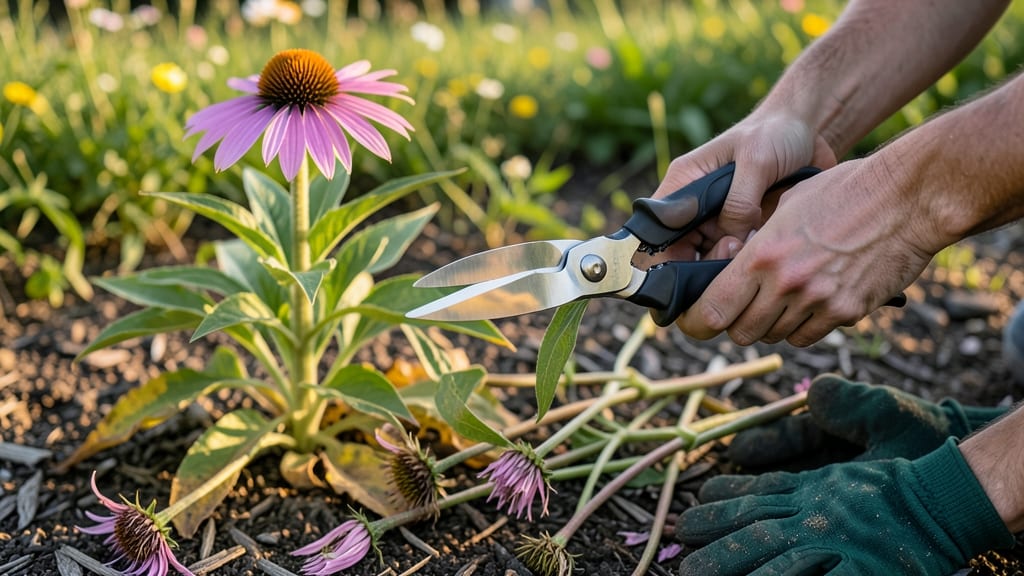
If your 🌼 coneflowers look tired by late summer, you might be missing the perfect cutting window—because timing is everything for next year’s blooms. Cutting too early can stunt growth, while waiting too long risks disease and weak stems.
The secret lies in knowing when to trim for both beauty and plant health, especially in zones like 6a where winters demand extra care.
Most gardeners swear by cutting back coneflowers in late fall or early spring, but there’s a nuanced approach depending on your climate and goals. Whether you’re aiming for a cleaner winter look or maximizing spring regrowth, the right technique makes all the difference.
I’ll walk you through the exact moments to snip—so you can enjoy a garden full of vibrant 🌼 coneflowers year after year.
Think you can just chop and hope for the best? Not so fast. The key is understanding when to remove spent blooms versus when to let seed heads stand for wildlife.
I’ll break down the science behind each method, so you can avoid common mistakes that leave your plants struggling. Ready to transform your garden’s future with just a pair of shears?
From recognizing the perfect signs (like faded petals or seed head formation) to mastering the cut, this guide covers everything you need. Whether you’re a seasoned gardener or just starting, these tips will help you keep your coneflowers thriving—without guessing when to reach for the pruners.
Best times to deadhead coneflowers for longevity and more blooms
If you’ve ever wondered why your coneflowers seem to slow down blooming mid-season, the answer likely lies in deadheading timing. These hardy perennials reward precise care with longer bloom cycles and healthier roots.
The key? Cutting at the right moments—each season offers a unique window for maximizing flower production while preparing the plant for dormancy.
Unlike annuals, coneflowers thrive on strategic pruning that aligns with their natural growth rhythm. Missing these critical deadheading windows can lead to fewer blooms next year or even disease susceptibility.
Let’s break down the optimal cutting schedule by season, so you can keep your Echinacea purpurea looking its best from spring to fall.
- 1 Early Summer (June): Deadhead spent blooms as they fade to encourage second flushes. Look for drooping petals or brown centers—these signal it’s time to snip.
- 2 Late Summer (August): Reduce cutting frequency but remove overripe seed heads to redirect energy to root storage. Wait until 90% of petals have fallen naturally.
- 3 Fall (October): Cut back entire stems to 1-2 inches above ground after first frost. This prevents winter rot and promotes stronger spring regrowth.
- 4 Spring (April): Avoid cutting until new growth appears. Let winter-damaged stems die back naturally before pruning to encourage early blooms.
Each of these deadheading windows serves a distinct purpose. In early summer, removing faded blooms tricks the plant into producing new flower buds instead of wasting energy on seed development.
This is especially critical for purple coneflowers, which often bloom in two waves—the first in early summer and a second, smaller flush in late summer.
By late summer, your goal shifts from encouraging blooms to preparing for winter. Leaving seed heads too long can exhaust the plant, but removing them too early may stunt root growth.
Aim to cut when 90% of petals have fallen, leaving the cone-shaped center intact until after frost.
The fall cutback is where many gardeners go wrong. Cutting back too early (before frost) can stimulate new growth that won’t survive winter. Wait until after the first hard frost—typically October in USDA Zone 6a—to trim stems to 1-2 inches tall.
This reduces disease risk and ensures the crown stays protected under mulch.
Spring is the only season you should avoid pruning entirely until new growth emerges. Coneflowers store energy in their roots over winter, and cutting too soon can delay blooming by 2-4 weeks.
Instead, wait until you see green shoots in April, then remove any dead or broken stems to make room for fresh growth.
Pro tip: Use clean, sharp pruners to make 45-degree cuts just above a leaf node. This encourages healthier regrowth and reduces the risk of fungal infections. Always sterilize tools with rubbing alcohol between cuts to prevent spreading disease.
If you’re growing multiple coneflower varieties, note that white coneflowers (like Echinacea pallida) often bloom later and may need one extra week of deadheading in fall. Meanwhile, double blooms (like Echinacea 'White Swan') can be more sensitive to over-pruning, so cut them sparingly in late summer.
By mastering these seasonal deadheading cues, you’ll transform your coneflowers from one-season wonders into year-round garden stars. The payoff? More blooms, stronger plants, and a neater, healthier garden bed that keeps giving back year after year.
Step-by-step guide: how to cut coneflowers without harming the plant
Cutting back 🌼 coneflowers at the right time keeps them healthy and encourages more blooms next season. But timing is everything—cut too early, and you risk stunting growth; wait too long, and you might invite pests or disease.
The key is understanding when to snip spent blooms versus when to leave seed heads for wildlife. I’ve pruned hundreds of coneflowers, and I’ll share the exact techniques that work.
Most gardeners focus on deadheading during the growing season, but the real magic happens in late summer or early fall. This is when coneflowers shift from blooming to seed production. If you cut too soon, you’ll miss the chance to enjoy those dried seed heads that add winter interest.
But if you wait too late, the plant may struggle to recover before winter sets in.
Here’s the critical rule: Remove spent blooms when the petals fade but before the seed head fully matures. This encourages the plant to produce more flowers instead of focusing energy on seeds.
For a cleaner look in winter, you can cut back the entire plant in late fall, but I’ll explain how to do it without damaging the roots.
⚠️ When NOT to Cut Coneflowers
Never cut coneflowers during these times:
- Mid-summer when blooms are still vibrant—this stops new flowers from forming.
- After the first frost in cold climates (zones 3-5)—wait until spring for a clean cut.
- When seed heads are fully brown and dry—this is prime food for birds and beneficial insects.
Pro tip: If you must cut in winter, do it after the ground freezes to protect roots.
Start by gathering your tools: clean, sharp pruners (or shears) are a must—dull blades can crush stems and invite disease. I recommend bypass pruners for a precise cut. Avoid using your hands or scissors, as they can tear the stems and leave jagged edges.
Always disinfect your tools with rubbing alcohol between cuts to prevent the spread of bacteria.
To deadhead a spent bloom, locate the flower head where the petals have faded. Using your pruners, cut the stem 1-2 inches above the next set of leaves or buds. This encourages new growth from below.
For a neater look, angle your cut slightly downward to prevent water from pooling on the stem. If you’re cutting back the entire plant in fall, trim it down to 4-6 inches above the ground.
One common mistake is cutting too close to the base, which can damage the crown of the plant. Another is leaving long, bare stems after deadheading, which looks messy and can attract pests.
Always aim to remove the entire spent bloom while leaving healthy growth intact. For wildlife lovers, leave some seed heads until they’re fully mature—birds and bees rely on them for food.
After cutting, give your coneflowers a light drink of water to help them recover, especially if you’ve done a lot of pruning. In USDA zone 6a, I’ve found that cutting back in mid-October gives the plant enough time to harden off before winter.
If you’re in a warmer zone, you can wait until November. Just remember: the goal is to clean up without shocking the plant.