
Flowers
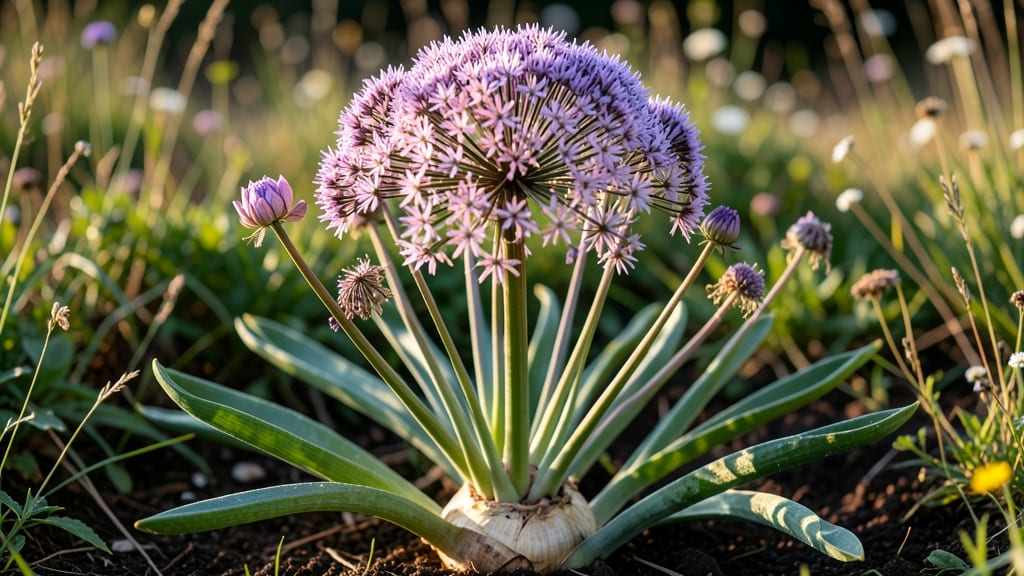
Allium flowers bloom at the perfect moment to transform your garden into a pollinator paradise—just when bees and butterflies are most active. Timing these dramatic globe-shaped blooms depends on the variety, with some varieties like Allium giganteum lighting up late spring while others like Allium moly bring early color.
Knowing the right window ensures you don’t miss their stunning displays or the chance to extend their beauty.
If you’ve ever planted alliums only to wonder why they didn’t bloom when expected, you’re not alone. Many gardeners overlook how climate and variety play a role in their bloom schedule.
For example, cooler zones like 6a may see blooms shift slightly later in the season, while warmer regions enjoy earlier displays. The key is understanding these patterns to plan your garden for maximum impact.
In this guide, I’ll break down exactly when each popular allium variety blooms—month by month—so you can create a garden that stays vibrant from early spring to summer.
You’ll also discover simple tricks to keep those flowers looking fresh longer, whether through deadheading or smart companion planting. Let’s make sure your alliums steal the show!
Whether you’re a seasoned gardener or just starting, getting the timing right means more flowers, happier pollinators, and a garden that feels like it’s always in its prime. Ready to unlock the secrets to allium blooms that last? Let’s dive in.
Allium bloom schedule by variety: month-by-month calendar
Understanding allium bloom times transforms your garden planning from guesswork to a well-orchestrated floral display. Each variety has its own peak bloom window, and knowing these schedules helps you create a garden that thrives from early spring through summer.
For example, Allium moly often blooms as early as March in warmer zones, while Allium giganteum waits until May or June for its dramatic 6-foot spikes.
The USDA zone you garden in also shifts these timelines. In cooler zones like 5-6, blooms may arrive 2-4 weeks later than in warmer zones 7-9.
This guide breaks down the month-by-month bloom schedule for 12 popular allium varieties, so you can plant with confidence and enjoy their pollinator-friendly blooms all season long.
| Variety | Bloom Months (Zones 5-9) | Height | Color | Pollinator Notes |
|---|---|---|---|---|
| Allium moly | March–April (earliest) | 6–12" | Yellow | Bees love early blooms |
| Allium roseum | April–May | 12–18" | Pink | Great for cut flowers |
| Allium schubertii | May–June | 24–36" | Purple | Striking vertical accent |
| Allium giganteum | May–June (late) | 4–6 ft | Purple | Dramatic focal point |
| Allium sphaerocephalon | June–July | 18–24" | Purple | Round seed heads |
| Allium cristophii | June–July | 12–18" | Purple | Drought-tolerant |
| Allium karataviense | June–July | 12–18" | Purple | Long-lasting blooms |
| Allium 'Purple Sensation' | July–August | 24–36" | Purple | Great for borders |
| Allium 'Globemaster' | May–June | 24–36" | Purple |
How to extend allium blooms: tips for longer-lasting flowersOnce your allium flowers start blooming, you’ll want them to last as long as possible—because those dramatic purple globes are a showstopper. The good news? With a few simple strategies, you can extend their beauty by weeks or even months. The secret lies in understanding their needs, from soil health to watering habits, and even what to plant nearby. Let’s dive into the easiest ways to keep your alliums looking fresh. First, focus on well-draining soil—alliums hate soggy roots, which can shorten their bloom time. Amend your soil with compost or sand to improve drainage, especially if your garden tends to stay damp. I’ve found that adding a 2-inch layer of mulch around the base helps retain moisture while keeping roots cool. This small step can make a huge difference in how long your flowers stay vibrant. Now, let’s talk about the numbered highlights that will transform your allium care routine:
Another pro tip? Deadheading isn’t just about looks—it’s a game-changer for prolonging blooms. When you remove faded flowers, you’re telling the plant to focus its energy on producing new buds instead of seeds. I like to do this every 3-4 days during peak bloom to keep my alliums looking fresh. Just be sure to use sharp scissors or pruners to avoid crushing the stems. Don’t overlook the power of companion planting. Alliums thrive when paired with pollinator-friendly plants like lavender or catmint. These companions attract beneficial insects that help pollinate flowers and deter pests. Plus, their contrasting colors create a stunning visual effect in your garden. For example, pairing Allium giganteum with salvia adds height and texture while keeping your alliums healthy. Finally, remember that alliums are low-maintenance, but they do appreciate a little extra care during their active growing season. If you’re in a warmer climate (USDA zones 8-9), your alliums might bloom earlier and benefit from afternoon shade to prevent wilting. In cooler zones, they’ll often bloom later, so adjust your care routine accordingly. With these tips, your alliums will stay beautiful for weeks longer than you’d expect! |