
Blooming
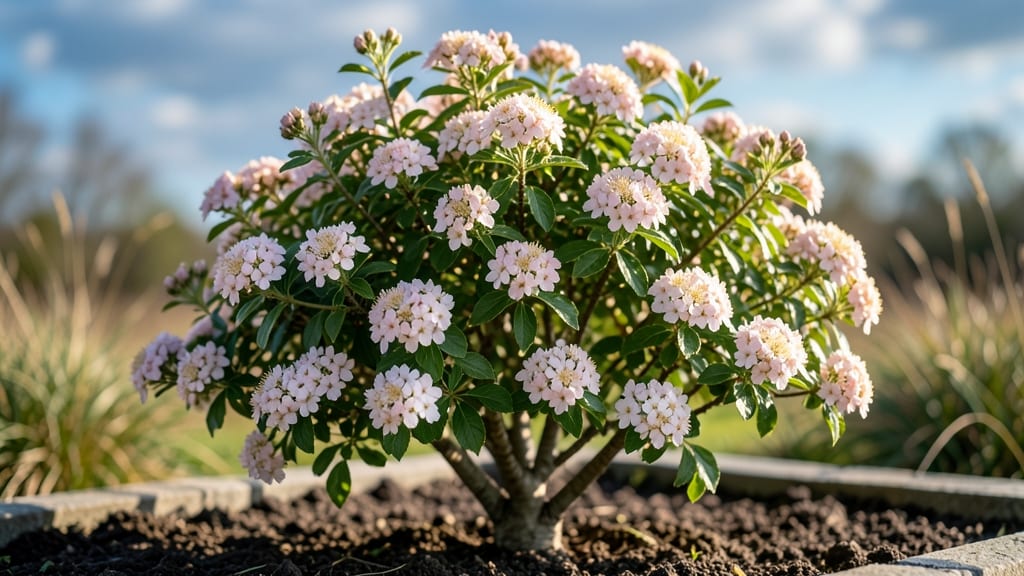
Timing your garden’s viburnum flowering time can mean the difference between a showstopping spring display and a missed opportunity for vibrant color. These shrubs—like the fragrant 🌸 Viburnum bodnantense or the striking V. plicatum—bloom at different times, often defying expectations with their seasonal surprises.
If you’ve ever wondered why some varieties burst into bloom in winter while others wait for spring, the answer lies in their species and your local climate. Whether you’re in USDA Zone 6a or further south, knowing these patterns helps you plan your landscape for year-round interest.
The key? Understanding which viburnums reward you with early winter flowers and which hold off until late spring.
Let’s break down exactly when to expect those show-stopping blossoms, how to care for your shrubs between seasons, and which varieties will keep your garden lively from late winter through summer. Spoiler: a little strategic pruning can extend those blooms for weeks longer than you’d expect.
Ready to transform your yard into a seasonal color parade? I’ll walk you through the best times to plant, prune, and feed your viburnums—so you can enjoy their beauty without the guesswork. Let’s get started!
When do Viburnum shrubs bloom? Month-by-month flowering guide by species
Viburnums are prized for their stunning seasonal blooms, but their flowering times vary dramatically by species. Some burst into color in late winter, while others shine in summer or fall.
Understanding these cycles helps you plan year-round garden interest and avoid pruning mistakes that could cut off next year’s flowers.
Climate plays a huge role—cooler regions may see earlier blooms, while warmer zones might delay flowering until later. For example, Viburnum bodnantense often blooms in January-February in mild climates but waits until March-April in colder areas. Let’s break down the month-by-month blooming windows for popular varieties.
| Variety | Bloom Time | Key Features | Climate Notes |
|---|---|---|---|
| Viburnum bodnantense | Late Winter (Jan-Feb) | Fragrant pink buds, winter interest | Early bloomer; thrives in zones 5-8 |
| Viburnum plicatum | Early Spring (Apr-May) | Layered branches, white lacecap flowers | Needs chilling; blooms after last frost |
| Viburnum opulus | Late Spring (May-June) | Showy pink pom-poms, wildlife magnet | Heat-tolerant; blooms post-winter dormancy |
| Viburnum dentatum | Summer (June-July) | White clusters, edible berries | Native to eastern U.S.; drought-tolerant |
| Viburnum trilobum | Late Summer (Aug-Sept) | Highland cranberry vibe, red berries | Cold-hardy; blooms before frost |
If you’re in USDA Zone 5 or colder, expect 2-4 week delays in blooming compared to warmer zones. For instance, Viburnum plicatum might wait until late May in Minnesota but bloom by early April in Georgia.
Always check your local last frost date—some viburnums need chilling hours to trigger flowers.
For year-round color, pair early bloomers like Viburnum bodnantense with late-season varieties such as Viburnum trilobum. This creates a sequential bloom effect that keeps your garden vibrant from winter through fall.
Just be mindful of pruning timing—never trim after buds form, or you’ll sacrifice next year’s flowers.
In coastal climates, milder winters can push blooms earlier, while continental zones may see later, more staggered flowering. For example, Viburnum opulus in Pacific Northwest might bloom in April, while in Midwest gardens, it waits until June.
Always observe your plant’s local microclimate for the most accurate timing.
Pro tip: Use mulch in fall to protect roots during winter dormancy, which helps early bloomers like Viburnum bodnantense push buds sooner. Avoid heavy spring pruning—wait until after flowering to shape your shrubs, or you risk removing next year’s blooms before they form.
For container gardening, choose compact varieties like Viburnum ‘Compactum’, which blooms in late spring and thrives in pots. Just ensure your container has drainage holes to prevent root rot, which can stress plants and delay flowering.
If your viburnum isn’t blooming on schedule, check for over-fertilization with nitrogen—this promotes leafy growth at the expense of flowers. Instead, use a balanced 10-10-10 fertilizer in early spring to encourage bloom production. Pair this with consistent moisture (but never soggy soil) for best results.
Finally, deadhead spent blooms on summer-flowering varieties like Viburnum dentatum to redirect energy into berry production and next year’s flowers. This simple step can extend your viburnum’s bloom season by 2-3 weeks in ideal conditions.
How to extend Viburnum blooms: pruning and care tips for longer flowering seasons
Want your viburnum shrubs to burst into color for weeks longer than usual? The secret lies in understanding their unique blooming cycles and adjusting your care routine accordingly.
Unlike many plants, viburnums often produce flowers on old wood (last year’s growth), which means aggressive pruning can actually shorten your bloom time. But with the right approach, you can encourage prolonged flowering and keep your garden vibrant from early spring through summer.
First, let’s tackle the most critical factor: pruning timing. For varieties like Viburnum plicatum (which blooms on new wood), you can prune right after flowering to shape the shrub and encourage fresh growth.
However, for Viburnum bodnantense or V. carlesii (which bloom on old wood), prune immediately after flowering—never in late winter or early spring. This ensures you don’t cut off next year’s flower buds.
⚠️ callout-tip
🌱 Viburnum Flowering Time Hack
For longer blooms, time your pruning perfectly:
- Old wood bloomers (e.g., V. bodnantense): Prune right after flowers fade—never in dormant season.
- New wood bloomers (e.g., V. plicatum): Prune immediately after flowering to shape and encourage new growth.
- Deadheading spent blooms on new wood types can extend flowering by 2-4 weeks.
💡 Pro Tip: Use sharp, clean shears and sterilize with rubbing alcohol to prevent disease.
Beyond pruning, fertilization timing plays a huge role in extending bloom duration. Feed your viburnums with a balanced 10-10-10 fertilizer in early spring (March) to kickstart growth, then again after flowering (June) to support next year’s buds.
Avoid heavy applications in late summer or fall, as this can stimulate tender new growth that won’t survive winter. For nutrient-poor soil, a slow-release organic fertilizer like compost or worm castings works wonders without risking overgrowth.
Watering strategy also impacts how long your viburnums stay in bloom. These shrubs thrive with consistent moisture, especially during their first year. Water deeply once a week, aiming for 1 inch of water per session, and always in the morning to reduce fungal risks.
Once established, viburnums tolerate drought, but dry spells during bloom time can cause flowers to wilt prematurely. Mulch around the base with 2-3 inches of organic mulch (like shredded bark) to retain moisture and regulate soil temperature.
For early bloomers like Viburnum ‘Winterthur’ (which flowers in late winter), protect them from late frosts by covering with frost cloth if temperatures dip below 20°F.
Late bloomers, such as Viburnum ‘Cayuga’, benefit from a light trim in early spring to open up the center and improve airflow, which can extend their flowering period by 3-5 weeks.
Additionally, plant your viburnums in a location with morning sun and afternoon shade—this mimics their natural woodland habitat and helps preserve moisture in the soil.
Finally, don’t overlook the power of seasonal adjustments. If you live in a warmer climate (Zone 8+)**, your viburnums might bloom earlier and benefit from a second flush of flowers in late summer.
In cooler zones, focus on winter protection, like wrapping young shrubs with burlap or using anti-desiccant sprays to prevent winter burn. With these strategies, you’ll transform your viburnums from seasonal stars into year-round garden highlights.