
Flowers
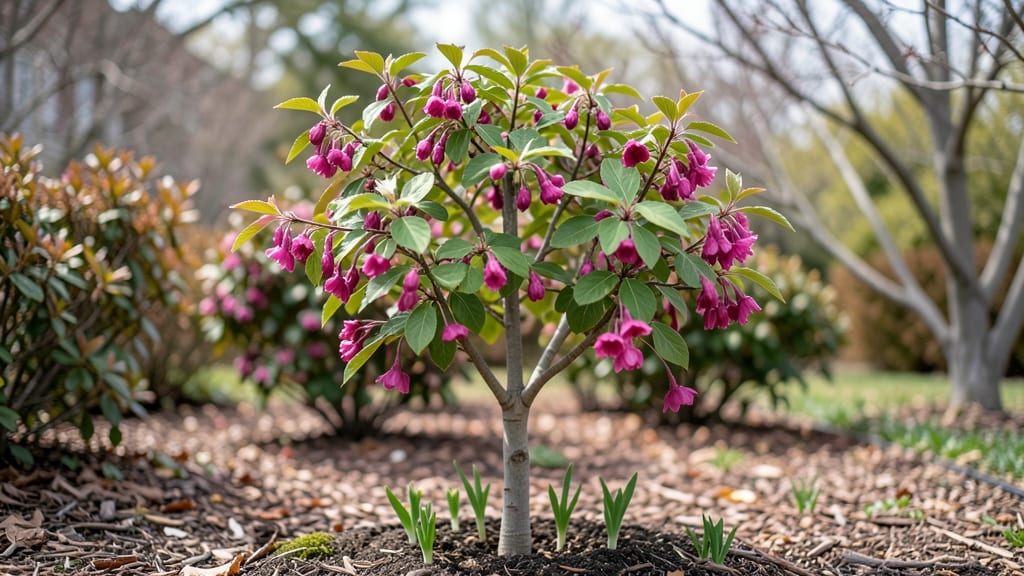
There’s something magical about a tree with little purple flowers that turns a simple yard into a dreamy springtime scene. These delicate blooms don’t just add color—they create a fragrant, romantic atmosphere that’s hard to resist.
If you’ve ever wanted to add year-round interest to your garden without the fuss, these trees are the perfect solution. They thrive in USDA Zone 6a and beyond, offering low-maintenance beauty that pairs effortlessly with other plants.
Whether you’re dreaming of a cottage garden or a modern landscape, these varieties will steal the show.
From the classic lilac 🌸 to lesser-known gems, I’ll show you the 5 best purple-flowering trees for your space. Each one brings something special—whether it’s early spring blooms, fragrant foliage, or seasonal color shifts. Let’s dive into how to pick the perfect one for your garden.
Ready to transform your outdoor space? These trees aren’t just pretty—they’re easy to grow and packed with charm. By the end, you’ll know exactly which purple blooms will make your garden the envy of the neighborhood.
5 Best trees with tiny purple flowers for season-long beauty
When you think of purple-flowering trees, the first image that comes to mind might be the classic lilac 🌸. But did you know there are five stunning varieties that offer tiny purple blooms with unique textures, fragrances, and seasonal interest?
These trees aren’t just pretty—they’re low-maintenance powerhouses that thrive in USDA Zones 4-9 and bring year-round charm to any landscape.
Whether you’re dreaming of a romantic cottage garden or a modern minimalist yard, these trees deliver season-long beauty with minimal effort. From early spring blooms to autumn foliage, each variety offers something special.
Let’s explore the top 5 trees with tiny purple flowers that will make your garden the talk of the neighborhood.
I’ve handpicked these varieties for their ease of care, adaptability, and visual impact. Whether you’re a seasoned gardener or just starting, these trees will fit seamlessly into your space while adding soft purple hues that brighten up any season. Ready to find your perfect match?
| Tree Name | Bloom Time | Hardiness Zones | Mature Height | Sunlight Needs | Care Level |
|---|---|---|---|---|---|
| Crape Myrtle (Lagerstroemia indica) | Mid to Late Summer | Zones 7-9 | 10-20 ft | Full Sun | Low |
| Eastern Redbud (Cercis canadensis) | Early Spring | Zones 4-9 | 20-30 ft | Full Sun to Partial Shade | Moderate |
| Japanese Flowering Cherry (Prunus serrulata) | Early Spring | Zones 5-8 | 25-35 ft | Full Sun | Moderate |
| Purple Smoke Tree (Cotinus coggygria) | Late Spring | Zones 5-8 | 15-25 ft | Full Sun to Partial Shade | Low |
| Weeping Lilac (Syringa laciniata) | Late Spring | Zones 3-7 | 10-15 ft | Full Sun | Low |
The Crape Myrtle is a summer bloomer that offers lavender-purple flowers from mid to late summer. It’s incredibly drought-tolerant once established, making it perfect for low-water gardens in Zones 7-9. This tree also boasts exfoliating bark in winter, adding texture to your landscape year-round.
If you love early spring color, the Eastern Redbud is a must-have. Its tiny magenta-purple flowers appear before the leaves, creating a stunning contrast. This tree thrives in Zones 4-9 and handles partial shade, making it versatile for various garden settings.
Plus, its heart-shaped leaves add seasonal interest long after the blooms fade.
For a dramatic spring display, consider the Japanese Flowering Cherry. While its flowers are more pink than purple, some varieties like 'Kanzan' produce soft lavender blooms that create a dreamy atmosphere.
This tree is ideal for Zones 5-8 and loves full sun, making it a standout feature in any landscape.
Looking for something unique and low-maintenance? The Purple Smoke Tree delivers smoky purple foliage that looks like wispy clouds in the breeze. Its late spring blooms are small but abundant, and it thrives in Zones 5-8.
This tree is perfect for dry gardens and adds year-round interest with its fall color.
Finally, the Weeping Lilac is a fragrant beauty with delicate purple blooms that cascade like a waterfall. It’s perfect for Zones 3-7 and loves full sun.
Unlike traditional lilacs, this variety has a weeping habit, making it ideal for small gardens or containers. Its late spring blooms fill
How to choose the perfect purple-flowering tree for your climate
Selecting a purple-flowering tree that thrives in your climate starts with understanding your local conditions. Not all purple bloomers are created equal—some love full sun while others prefer partial shade. Before you buy, check your USDA hardiness zone to ensure your chosen tree can handle your winters.
For example, Cercis canadensis (eastern redbud) flourishes in Zones 4-9, while Lagerstroemia indica (crape myrtle) shines in Zones 7-9.
Your soil type plays a critical role too. Sandy soils drain quickly, while clay holds moisture longer. Most purple-flowering trees prefer well-draining, slightly acidic soil (pH 6.0-7.0). If your soil is heavy clay, amending it with compost or organic matter can make all the difference.
Don’t overlook urban vs. rural planting—city trees face extra stress from pollution and compacted soil, so choose resilient varieties like Gleditsia triacanthos (honey locust) with its air-purifying leaves.
🌳 Step-by-Step Guide to Picking Your Purple Tree
- Step 1: Check Your Zone – Use the USDA hardiness zone map to confirm your tree’s winter hardiness. For example, Zones 4-6 favor Prunus serrulata (Japanese cherry), while Zones 7-10 suit Lagerstroemia varieties.
- Step 2: Sunlight Needs – Most purple trees need 6+ hours of sun, but Cercis canadensis tolerates partial shade. Match your yard’s light to the tree’s label—full sun for vibrant blooms, partial shade for delicate varieties.
- Step 3: Soil Prep – Test your soil’s pH and drainage. Purple trees like well-draining, slightly acidic soil. If your soil is alkaline, add peat moss or sulfur to adjust. Urban soils? Mix in compost to improve structure.
- Step 4: Space Planning – Mature size matters! A 15-foot crape myrtle needs room, while a 6-foot lilac fits small yards. Measure your space and choose accordingly—dwarf varieties like Lagerstroemia ‘Natchez’ work for tight spots.
- Step 5: Urban vs. Rural – City trees need pollution tolerance (try Ginkgo biloba for air quality). Rural areas? Opt for fast-growing varieties like Paulownia tomentosa (empress tree) for quick shade and color.
Pro Tip: Plant in early spring or fall for best root establishment. Mulch around the base to retain moisture and suppress weeds.
Don’t overlook seasonal interest. Some trees, like Prunus cerasifera ‘Nigra’ (purple leaf plum), offer year-round color with deep purple foliage, while others like Cornus florida (flowering dogwood) provide spring blooms and fall berries.
If you love fragrant flowers, Syringa vulgaris (lilac) is a must—its scented blooms attract pollinators and fill the air with sweetness.
For urban gardens, prioritize trees with non-invasive roots and disease resistance. The crape myrtle is a top pick—it’s drought-tolerant, pest-resistant, and its peeling bark adds winter interest.
In rural settings, larger trees like Platanus × acerifolia (London planetree) thrive with minimal care, offering shade and purple-tinged new growth.
Finally, consider maintenance level. Some purple trees, like Cercis canadensis, require minimal pruning, while others, like Lagerstroemia, need annual pruning to maintain shape.
If you’re new to gardening, start with low-maintenance varieties like Amelanchier lamarckii (serviceberry), which handles neglect gracefully while still delivering stunning purple spring blooms.
With these steps, you’ll find the perfect purple-flowering tree that not only survives but thrives in your climate. Imagine waking up to soft lavender blooms every spring—your yard will be the talk of the neighborhood! 🌷