
Vegetables
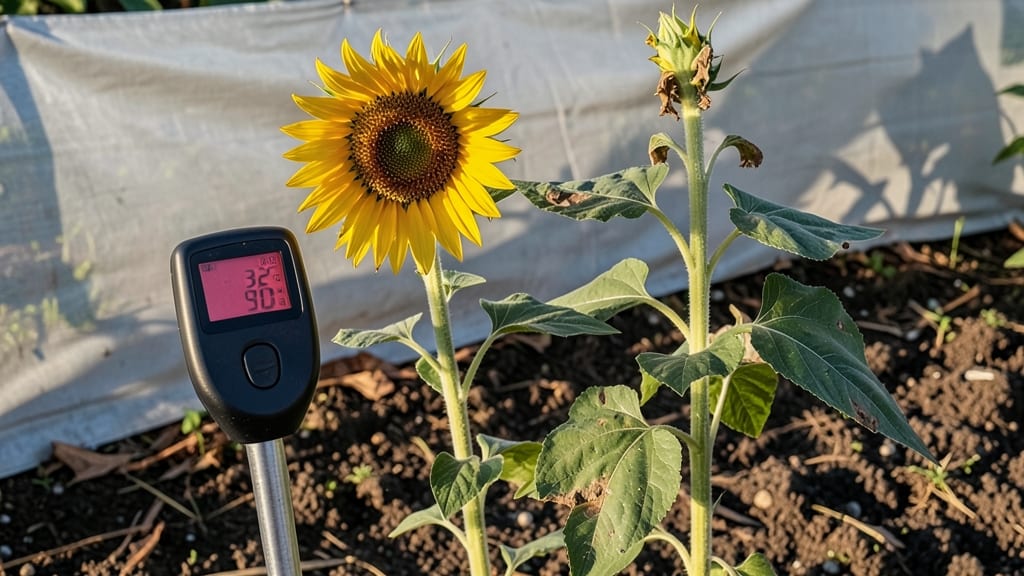
Did you know sunflowers can handle 100°F+ days once established, but seedlings wilt below 50°F? That’s why timing is everything in zones like 6a, where late frosts or early heatwaves can derail your April-May planting window. The right variety and care adjustments make all the difference.
In this guide, I’ll break down the ideal temperature ranges for every growth stage—plus how to shield your plants from stress. Whether you’re battling a July heatwave or a September frost, you’ll learn practical tricks like mulching, shade strategies, and the best cold-hardy varieties for your climate.
Skip the guesswork and grow sunflowers that reach their full 8-16-foot potential—no wilting in sight. Let’s get your garden glowing with confidence, no matter what Mother Nature throws your way.
Sunflower heat tolerance: how hot is too hot for growth?
Sunflowers thrive in warm weather, but they have clear temperature limits that determine their growth success. While they love sunshine, excessive heat can cause heat stress, leading to wilted leaves, stunted growth, or even death.
Understanding these temperature thresholds is key to growing healthy, vibrant sunflowers that reach their full potential.
Most sunflower varieties perform best when daytime temperatures stay between 65°F and 85°F (18°C to 29°C). However, they can tolerate brief periods of higher temperatures, especially if they’re well-hydrated. The challenge comes when heat persists beyond 90°F (32°C), pushing plants toward their heat tolerance limits.
| Growth Stage | Optimal Temp (°F/°C) | Heat Stress Threshold (°F/°C) | Symptoms of Stress |
|---|---|---|---|
| Germination | 70-80°F (21-27°C) | Above 90°F (32°C) | Slow sprouting, seed rot |
| Vegetative Growth | 65-85°F (18-29°C) | Above 95°F (35°C) | Wilting, yellowing leaves, stunted stems |
| Flowering | 70-80°F (21-27°C) | Above 100°F (38°C) | Blossom drop, small buds, poor seed development |
| Seed Maturation | 60-80°F (15-27°C) | Above 90°F (32°C) | Premature drying, shrunken seeds |
If temperatures consistently exceed 95°F (35°C) during the vegetative growth stage, sunflowers may experience heat stress symptoms like wilting, yellowing leaves, or even leaf drop. The most critical period is when buds form, as extreme heat can cause blossom drop, reducing your harvest.
Even if your sunflowers survive, prolonged heat can lead to smaller blooms and lower seed quality.
Regional adaptation plays a huge role in sunflower success. In hot climates like Arizona or Texas, opt for heat-tolerant varieties like 'Mammoth' or 'Russian Giant,' which handle higher temperatures better than others.
In contrast, cooler regions like the Pacific Northwest may need earlier planting to avoid late-season heat stress. Always check your USDA hardiness zone and local climate data before choosing varieties.
One of the best ways to protect sunflowers from heat is by ensuring they have consistent moisture. Deep watering early in the morning helps roots absorb water before the heat of the day.
Mulching with straw or wood chips retains soil moisture and keeps roots cooler. Avoid overhead watering in extreme heat, as it can burn leaves and increase stress.
Shade cloth can be a lifesaver during heatwaves. Using 30-50% shade cloth during peak afternoon heat (12 PM to 4 PM) reduces stress without blocking too much sunlight. This is especially useful for young seedlings, which are more vulnerable to heat damage.
Remove the shade cloth once temperatures drop to allow full sun exposure for optimal growth.
Heat-tolerant sunflower varieties are your best bet for hotter climates. For example, 'ProCut Hybrid' and 'Autumn Beauty' are bred to handle warmer temperatures and still produce abundant blooms. If you're in a USDA Zone 9 or 10, these varieties will thrive where others might struggle.
Always read seed packets for temperature tolerance ratings to match your climate.
Even with the best care, sunflowers can suffer from heat stress. Look for signs like curling leaves, dry stems, or premature wilting. If you notice these symptoms, take immediate action: increase watering, provide shade, and avoid fertilizing until the plant recovers.
In severe cases, pruning damaged leaves can help the plant redirect energy to healthier growth.
Sunflowers are remarkably adaptable, but pushing their temperature limits can lead to disappointing results. By understanding their optimal growth ranges and taking steps to mitigate heat stress, you’ll give your sunflowers the best chance to grow tall, strong, and beautiful—even in the hottest summers.
With the right care, your garden can stay bright and cheerful, no matter the forecast! 🌻
Cold hardiness in sunflowers: surviving freezes and early planting
Sunflowers may love the sun, but their cold hardiness varies wildly by variety. While some can handle light frosts as seedlings, others bolt or die when temperatures dip below 40°F.
The key is choosing the right type for your USDA Zone 6a climate and knowing when to plant for maximum survival.
Most sunflowers tolerate 30-32°F briefly as mature plants, but seedlings struggle below 50°F. That’s why gardeners in cooler regions often wait until April 15 (after last frost) or use row covers.
The wrong timing can mean stunted growth or no blooms at all—so let’s break down which varieties handle cold best and how to protect them.
| Variety | Cold Tolerance | Best For | Planting Tip |
|---|---|---|---|
| Russian Giant | 30°F (mature), 50°F (seedlings) | Cool summers, late planting | Use black plastic mulch for warmth |
| Autumn Beauty | 28°F (mature), 45°F (seedlings) | Northern climates, short seasons | Start indoors 4 weeks early |
| Moulin Rouge | 32°F (mature), 55°F (seedlings) | Heat + cold swings | Plant after soil reaches 60°F |
| Teddy Bear | 25°F (mature), 40°F (seedlings) | Early spring planting | Cover with row fabric for frost |
| ProCut | 35°F (mature), 60°F (seedlings) | Hot climates with cool nights | Avoid planting before May |
Cold damage often shows as yellowing leaves, stunted growth, or blackened stems. If you see these signs, act fast: remove protective covers during the day to prevent fungus buildup and water deeply to help recovery.
For early April planting, I recommend soaking seeds overnight to jumpstart germination in cool soil.
To extend your growing season in Zone 6a, try these tricks: plant Autumn Beauty varieties in March under cloches, or use black plastic mulch to warm soil by 10°F. For late-season blooms, succession plant Teddy Bear every 2 weeks until June—just watch for October 30 frost dates.
Remember, sunflowers are annuals, so their cold tolerance only applies to the current season. If you’re in a short-season climate, focus on fast-maturing varieties like ProCut (ready in 50 days) to avoid frost losses.
With the right variety and timing, you’ll enjoy 8-16-foot stalks even in cooler regions!