
Flowers
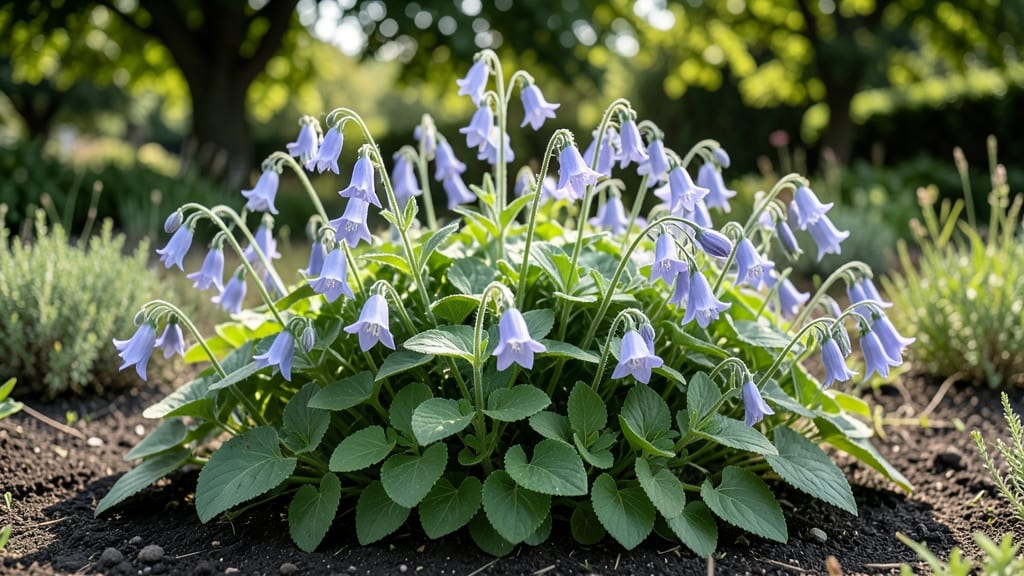
If you’ve ever dreamed of growing a flower that feels like a real-life Rapunzel 🌸, Campanula Persicifolia—the Rapunzel flower—might just be your perfect match. This stunning perennial can reach towering heights of 2-3 feet, transforming your garden into a fairy-tale scene with its delicate bell-shaped blooms.
The key to unlocking its full potential lies in understanding its unique needs. Unlike many flowers, this one thrives in partial shade and well-draining soil, making it ideal for gardeners in USDA Zone 6a or similar climates.
Planting in March or April sets the stage for a breathtaking display by June or July, but timing and care make all the difference.
In this guide, I’ll walk you through everything from seed sowing to pruning, so you can grow lush, healthy stalks that stand out in your garden.
Whether you’re a beginner or a seasoned gardener, these tips will help you avoid common mistakes and keep your Rapunzel flower blooming beautifully year after year.
Ready to bring a touch of magic to your garden? Let’s get started with the easiest way to grow this enchanting plant from seed to bloom.
How to grow real Rapunzel flower from seed: complete planting guide
The real Rapunzel flower (Campanula rapunculoides) brings a whimsical yet dramatic presence to any garden with its towering bell-shaped blooms. Unlike its fairy-tale namesake, this perennial thrives with proper care and patience.
The secret to growing these 10-foot-tall stalks lies in mastering the seed-sowing process, which requires precise timing and ideal conditions.
This step-by-step guide covers everything from selecting the right seeds to transplanting your seedlings, ensuring your Rapunzel flower reaches its full height potential. Whether you're planting in containers or garden beds, these instructions will help you avoid common pitfalls and achieve a stunning vertical display by next summer.
Step-by-Step Rapunzel Flower Planting Process
- Step 1 Choose the Right Seeds: Purchase high-quality Campanula rapunculoides seeds from a reputable supplier. Verify they're organic and non-GMO for best results.
- Step 2 Start Indoors (8-10 Weeks Before Last Frost): Fill seed trays with sterile seed-starting mix. Plant seeds 1/4 inch deep, spacing them 1 inch apart.
- Step 3 Provide Warmth and Light: Cover trays with plastic wrap to retain moisture. Place under grow lights (14-16 hours/day) or in a sunny window (south-facing).
- Step 4 Germinate at 65-70°F: Keep soil consistently moist (not soggy). Germination takes 14-21 days. Remove plastic wrap once sprouts appear.
- Step 5 Hardening Off (2 Weeks Before Transplant): Gradually expose seedlings to outdoor conditions. Start with 2 hours/day in shade, increasing daily.
- Step 6 Prepare Planting Site: Choose a spot with partial shade (4-6 hours sun) and well-draining soil. Amend soil with compost for fertility.
- Step 7 Transplant Seedlings: After last frost (April 15 in Zone 6a), dig holes twice as wide as root balls. Space plants 18-24 inches apart for full growth.
- Step 8 Mulch and Water: Apply 2-3 inches of mulch to retain moisture. Water deeply 2-3 times/week during establishment (first 4 weeks).
Timing your Rapunzel flower planting correctly is crucial. For USDA Zone 6a, aim to start seeds indoors in March and transplant after April 15, when soil temperatures reach 55°F+. This ensures your plants establish strong roots before summer heat arrives.
One common mistake is overcrowding seedlings, which leads to weak stems and flopping blooms. Maintain proper spacing (18-24 inches) to allow air circulation and prevent disease. If growing in containers, use pots at least 12 inches deep with drainage holes.
For maximum height, provide support early. Install bamboo stakes or cage structures at planting time. Rapunzel flowers are self-supporting but benefit from gentle guidance to prevent wind damage during their rapid growth phase.
After transplanting, monitor your plants for <
Rapunzel flower care tips: soil, watering, and pruning for towering stalks
Once your Rapunzel flower (Campanula rapunculoides) takes root, maintaining its towering growth requires a few key strategies. Unlike many garden plants, this beauty thrives with minimal fuss but demands well-draining soil and consistent moisture to reach its full 10-foot potential.
The secret lies in balancing nutrient-rich soil with proper watering techniques—too much water weakens stems, while too little stunts growth.
For optimal results, I recommend amending your garden soil with compost or aged manure before planting. This improves drainage while providing essential organic nutrients that support rapid vertical growth. A slightly acidic pH (6.0-7.0) works best, so test your soil and adjust with lime or sulfur if needed.
Mulching with wood chips or straw helps retain moisture and suppresses weeds, giving your Rapunzel flower a competitive edge.
CAUTION: Overwatering Risk
Your Rapunzel flower’s tall stalks are prone to flopping if overwatered, which weakens stems and invites fungal diseases. Water deeply but infrequently—aim for 1-2 inches per week—and always water at the base of the plant to avoid wetting foliage. Yellowing leaves or mushy stems signal excess moisture, so adjust your schedule if your soil stays soggy.
Watering your Rapunzel flower correctly is an art. I prefer deep watering sessions every 5-7 days during active growth (spring to summer), reducing to bi-weekly in fall and monthly in winter. Early morning watering prevents fungal issues, and a drip irrigation system delivers consistent moisture without disturbing delicate stems.
If your garden soil drains poorly, consider planting in a raised bed with sand or perlite for better aeration.
Staking becomes essential as your Rapunzel flower approaches 6 feet tall. Use bamboo stakes or decorative metal cages to support stems without restricting growth. Gently tie stems with soft plant ties every 12 inches up the stalk, checking weekly to prevent stem damage.
Avoid tight bindings, which can girdle stems and reduce water flow. For a natural look, weave stems through ornamental trellises or plant near tall shrubs for mutual support.
Pruning encourages bushier growth and prolongs blooming. After the first flush of flowers fades, deadhead spent blooms to redirect energy to new growth. In early spring, trim back 1/3 of the plant’s height to remove woody stems and encourage fresh, vibrant shoots.
Always use clean, sharp pruners to make 45-degree cuts just above a leaf node. Avoid heavy pruning in fall, as this can stimulate late growth vulnerable to frost.
With these care tips, your Rapunzel flower will reward you with towering stalks and prolonged blooms from late spring through summer. The key is patience and consistency—don’t rush watering or fertilizing, and always monitor soil moisture.
Soon, your garden will feel like a real-life fairy tale, with Rapunzel’s cascading flowers reaching for the sky! 🌿