
Mower
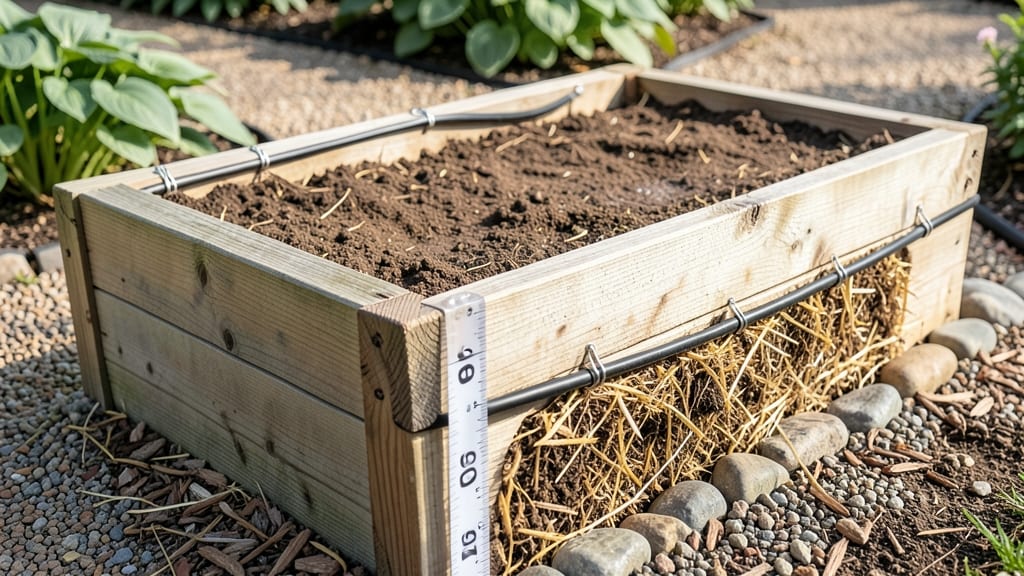
Building raised beds that actually work starts with height—because raised bed height isn’t one-size-fits-all. My first wooden beds were too shallow for tomatoes, and the soil compacted like a brick after just one season.
The right height gives roots room to breathe, keeps weeds down, and saves your back from endless kneeling. Most gardeners aim for 6 to 12 inches deep, but that’s just the start. Shallow beds (6–8") suit herbs and lettuce, while deep beds (12–18") handle root crops and tomatoes.
The extra height also means less bending—critical when your knees protest after an hour of weeding. Plus, taller beds drain better in rainy climates, preventing soggy soil that stunts growth. You’ll notice a difference in plant vigor within weeks: deeper roots mean stronger stems, more flowers, and bigger harvests.
My zucchini now sprawls over the bed edges instead of struggling to reach the soil. And the best part? You can stack beds vertically to maximize space without sacrificing accessibility. Here’s the kicker: height affects more than just plants.
Wider beds (3–4 feet) let you reach the center without stepping in, while shorter edges (2–3 feet) work better for kids or gardeners with mobility challenges. Let’s get into the specifics!
📚 In This Guide
- What you need
- Instructions
- Tips and common mistakes
- Wrapping up and next steps
What you need
- ● Lumber: Pressure-treated or cedar wood (rot-resistant) – 2x6 or 2x8 boards (quantity depends on bed dimensions; typically 8–12 boards for a 4’x8’ bed).
- ● Corner brackets or galvanized screws: Heavy-duty 2.5" deck screws (50–100 screws) or L-shaped corner brackets (4–8 for stability).
- ● Landscape fabric: 10–12 ft wide (to line the bed and block weeds).
- ● Drill/driver: Cordless for efficiency.
- ● Measuring tape & pencil: For precision cuts and markings.
- ● Level: To ensure your bed stays even and balanced.
- ○ Staple gun: For securing landscape fabric (optional but handy).
- ● Soil mix: High-quality garden soil, compost, and perlite (calculate ~1 cubic foot per square foot of bed depth).
- ● Hardware cloth: 1/4" mesh (to deter burrowing pests like gophers).
- ● Wood preservative: Non-toxic sealant to extend lumber life.
- ● Drainage layer: Gravel or landscape fabric at the bottom for moisture control.
- ● Accessibility aids: Removable panels or ramps if designing for mobility challenges.
- ● Decorative trim: Metal edging or stones for a polished look.
How to determine the right raised bed height for your plants
Let’s cut through the guesswork—your bed’s depth should match your plants’ needs and your comfort.
Measure Your Plants’ Root Requirements
Start by checking the mature root depth of what you’re growing. Most vegetables and herbs thrive in 6–12 inches of soil, but deep-rooted crops like asparagus or carrots need 12–18 inches. I always check seed packets or plant tags—this tells you exactly how much space to provide.
If you’re unsure, err on the deeper side. Shallow beds (under 6 inches) work for strawberries or lettuce, but anything bigger will struggle. You’ll see stunted growth or plants leaning out of the bed if the roots can’t spread properly.
Factor in Accessibility for Your Back
Kneeling in a 6-inch-deep bed for hours can wreck your knees. That’s why I build mine 12–18 inches tall—it lets me stand and work comfortably. If you have mobility concerns, go taller; if you’re planting shallow crops, 8–10 inches is plenty.
Test it before building: stand next to a mock-up of your bed height. If you can’t reach the center without bending too far, add another 2–4 inches to the frame. Your back will thank you later.
Balance Soil Depth and Frame Height
Here’s the trick: the soil depth (how deep you fill the bed) plus the frame height (how tall the sides are) should match your plants’ needs. For example, a 12-inch-tall frame filled with 6 inches of soil gives you 6 inches of root space—but if you add 6 inches of compost on top, you’ve got 12 inches total.
I like to fill beds 2/3 full with soil first, then top with compost. This gives roots room to grow downward while keeping the surface rich. Measure twice before filling—you’ll avoid the frustration of running out of soil mid-project.
Adjust for Climate and Drainage
In hot, dry climates, deeper beds (12+ inches) hold moisture better and reduce watering needs. In wetter areas, 8–10 inches with extra drainage (like gravel at the bottom) prevents soggy roots. I always check my local rainfall—if it’s heavy, I add 2–4 inches of extra depth.
Watch for water pooling after rain. If it sits for more than an hour, your bed needs better drainage. A 2-inch layer of coarse sand or gravel at the bottom solves this without sacrificing root space.
Build for Long-Term Use
Think about how you’ll maintain the bed over time. Taller frames (18+ inches) let you plant perennials or deep-rooted veggies without replanting every year. I mark my beds with 12-inch depth for annuals and 18-inch depth for perennials—this keeps my planting plan organized.
Leave 2–3 inches of space between the soil and the top of the frame. This prevents erosion when you water and makes it easier to add compost later. You’ll save yourself the hassle of constantly refilling the bed.
Tips & tricks for perfect raised bed dimensions
Building the ideal raised bed isn't just about following measurements—it's about creating a space that works for both your plants and your body. Here's what I've learned over years of gardening that makes all the difference.
Root Depth Visualization: After years of trial and error, I've found that sketching your plant's root system before building helps tremendously. For example, carrots need the full 12-18 inches we discussed in Step 1, but their roots grow downward in a conical shape. Drawing this on paper before building ensures you're allocating space correctly. This simple step prevents the frustration of watching plants struggle in beds that are too shallow.
Accessibility Test: The reach test in Step 2 is non-negotiable—I've seen too many gardeners develop back pain from bending over beds that are too low. What nobody tells you is to actually stand in the space where your bed will go while wearing your gardening gloves and holding a trowel. This full-body test reveals whether you'll need that extra 2-4 inches of height. I've added height to three different beds after this very test, and my back has never been happier.
Soil Layer Strategy: When balancing soil depth and frame height in Step 3, I recommend keeping a separate bucket of compost next to your workspace. As you fill the bed 2/3 full with soil, periodically check the depth with a level or straight board. This ensures you're maintaining those critical measurements while working. I've learned that measuring twice isn't just about avoiding mistakes—it's about creating a consistent growing environment for your plants.
Climate-Specific Adjustments: For the drainage tip in Step 4, I've found that adding a perforated drainage pipe along one side of the bed (before filling with soil) creates a hidden drainage channel. This works particularly well in wetter climates where the 2-inch gravel layer might not be sufficient. The pipe collects excess water and directs it away from plant roots without taking up valuable growing space.
Pro Tips for Raised Bed Height
- Building the ideal raised bed isn't just about following measurements—it's about creating a space that works for both your plants and your body.
- Root Depth Visualization: After years of trial and error, I've found that sketching your plant's root system before building helps tremendously.
- Accessibility Test: The reach test in Step 2 is non-negotiable—I've seen too many gardeners develop back pain from bending over beds that are too low.
Frequently asked questions
Got questions about raised bed height?
You’re not alone! Whether you’re a first-time gardener or a seasoned green thumb, figuring out the perfect dimensions can feel tricky. Below, we’ve rounded up the most common questions—and answers—to help you build with confidence.
What’s the ideal raised bed height for most vegetables?
The standard height for raised beds is 6–12 inches deep, which works for most root vegetables (like carrots, radishes, and lettuce). For deeper-rooted crops (potatoes, squash, or tomatoes), opt for 12–18 inches to give roots room to spread. Pro tip: If your soil is poor, deeper beds (up to 24 inches) can improve drainage and nutrient access!
Can I build a raised bed taller than 4 feet?
Yes, but height matters for accessibility and maintenance. Beds over 2–3 feet tall require a sturdy frame (like cedar or composite lumber) to prevent warping. For taller beds (4+ feet), consider adding handrails or steps for safe access. Just remember: Soil depth is key—even a 4-foot bed should have at least 12 inches of growing space at the bottom.
How do I know if my raised bed is too shallow for my plants?
Watch for stunted growth, yellowing leaves, or roots circling the bottom—these are red flags! If your bed is under 6 inches deep, shallow-rooted plants (like herbs or strawberries) may thrive, but deeper crops (like asparagus or sweet potatoes) will struggle. Quick fix: Add a second layer of soil or switch to container gardening for heavy feeders.
What’s the best material for a raised bed with adjustable height?
For modular or stackable designs, use interlocking blocks (like cinder blocks or pavers) or pre-cut lumber kits with screws/nails. Cedar and redwood resist rot, while galvanized metal or composite wood add durability. Budget hack: Repurpose old pallets or bricks—just ensure they’re untreated and stable!
Does raised bed height affect temperature or frost sensitivity?
Yes! Deeper beds (12+ inches) retain heat better in spring, giving a 2–4 week head start on planting. Shallow beds (<6 inches) may cool faster in cold climates. Cold-weather tip: Add straw mulch or black plastic to insulate soil. For extreme frost zones, consider elevated beds with bottom ventilation to prevent waterlogging.
Wrapping up and next steps
Choosing the right raised bed height is all about balancing root space and accessibility—whether you're growing veggies, herbs, or flowers. 🌱 From standard 6" beds for shallow-rooted plants to deep 24"+ beds for trees or root crops, modularity lets you customize for your garden’s needs.
Don’t forget to prioritize ergonomics to keep gardening joyful and sustainable!
Ready to build? Start by sketching your layout, gathering materials, and testing your soil. Happy digging! 🛠️