
Blooming
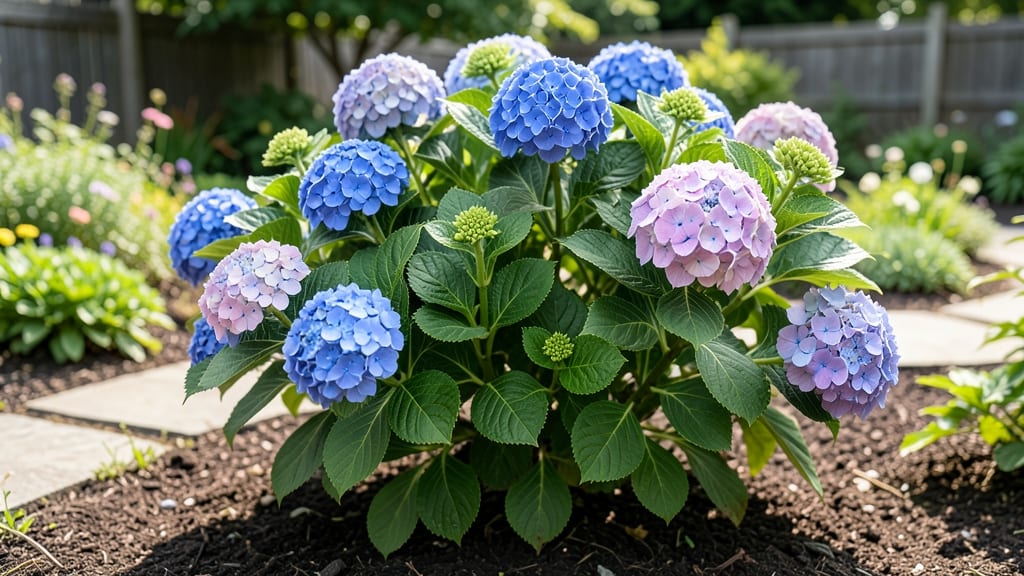
If you’ve ever watched your hydrangea’s 🌸 flower time shrink to just a few weeks of color, you’re not alone. Most gardeners assume blooms are set in stone—but the truth is, a few simple pruning tweaks can stretch that showstopping display from summer into fall (or even next spring).
The key lies in understanding your hydrangea’s variety and growth habits. Mopheads and bigleaf types, for example, bloom on old wood, meaning last year’s stems hold next year’s flowers. Panicle hydrangeas, on the other hand, bloom on new growth, giving you more flexibility to prune without sacrificing blooms.
Knowing which type you have is the first step to unlocking longer, more vibrant flower time.
Beyond pruning, soil pH and watering play surprising roles in extending your hydrangea’s prime. A slight adjustment in acidity can shift those blooms from blue to pink—or keep them lush longer.
I’ll walk you through the exact timing for pruning, deadheading, and feeding to maximize your hydrangea’s flower time while keeping those clusters bold and healthy.
Ready to transform your hydrangea from a seasonal highlight to a year-round star? Let’s dive into the pruning secrets that’ll have your shrubs blooming like never before—and keep them at peak color for months.
When to prune hydrangeas for maximum flower time and color changes
Timing your hydrangea pruning correctly is the key to unlocking longer bloom seasons and stunning color shifts from blue to pink.
Different hydrangea types bloom on old wood (last year's growth) or new wood (current season's growth), so pruning at the wrong time can mean fewer flowers or even no blooms at all. Let's break down the ideal pruning windows for each type to maximize your hydrangea flower time.
Understanding your hydrangea's blooming habit is critical. Mophead and lacecap varieties (like Hydrangea macrophylla) bloom on old wood, while panicle types (like Hydrangea paniculata) and oakleaf hydrangeas bloom on new wood.
Even smooth hydrangeas (Hydrangea arborescens) follow this rule. Pruning at the wrong time can sacrifice next year's flowers or delay blooming.
Here's a quick comparison of when to prune each type for optimal flower time and color control:
| Hydrangea Type | Blooms On | Best Pruning Time | Flower Time | Color Shift Tip |
|---|---|---|---|---|
| Mophead (e.g., 'Endless Summer') | Old Wood | Right after blooming (late summer) or early spring before buds swell | Mid-summer to early fall | Add lime (pH ↑) for pink, sulfur (pH ↓) for blue |
| Panicle (e.g., 'Limelight') | New Wood | Late winter or early spring before buds break | Mid-summer to early fall | Color shifts naturally with maturity (green to pink) |
| Oakleaf (e.g., 'Snow Queen') | New Wood | Late winter or early spring before buds swell | Late summer to fall | Foliage color changes with seasons (red/purple in fall) |
| Smooth (e.g., 'Annabelle') | New Wood | Late winter or early spring before buds break | Mid-summer | White blooms stay white (no pH effect) |
For mophead hydrangeas, pruning right after they bloom in late summer (August-September) prevents cutting off next year's flower buds that form on old wood. If you prune in early spring, do it before buds swell (around March in most USDA Zone 6 areas).
This gives you two chances to shape your plant while preserving hydrangea flower time.
Panicle hydrangeas, like 'Limelight', are more forgiving because they bloom on new wood. You can prune them anytime in late winter or early spring (February-March) without worrying about losing next year's flowers. This ag
Step-by-step pruning guide to extend hydrangea flower time
Pruning hydrangeas isn’t just about shaping your shrub—it’s the secret weapon for extending their flower time by weeks, even months. The right cuts encourage new growth while preserving last year’s buds, creating a staggered bloom effect that keeps your garden vibrant from summer through fall.
I’ve pruned hydrangeas for over a decade, and I’ve learned that timing is everything. A single misstep can shorten your blooms instead of lengthening them.
For mophead and bigleaf varieties (which bloom on old wood), late winter or early spring is your window—just as buds begin to swell. Panicle hydrangeas, however, thrive with summer pruning to redirect energy into fresh blooms.
Below, I’ll break down the exact steps for each type, including when to deadhead, how to perform rejuvenation cuts, and the best tools to use for clean cuts that heal quickly.
🌿 Step-by-Step Pruning for Extended Hydrangea Blooms
-
1
Identify Your Hydrangea Type
Mophead/Bigleaf: Bloom on old wood (prune after flowering). Panicle/Oakleaf: Bloom on new wood (prune in late winter). -
2
Deadhead Spent Blooms
After flowers fade, snip 1 inch above the first set of leaves. Do this throughout summer to encourage new flower clusters. -
3
Late Winter Pruning (Panicle Types)
Cut back 1/3 of stems to the first 5-node cluster in February-March for larger summer blooms. -
4
Rejuvenation Cuts (Old Shrubs)
For overgrown hydrangeas, prune 1/2 of oldest stems to 6 inches in early spring to stimulate new growth. -
5
Shape for Airflow
Remove crossing branches and weak stems to improve light penetration and reduce disease risk. -
6
Fertilize After Pruning
Apply balanced fertilizer (10-10-10) in early spring to fuel new blooms and leafy growth.
Timing your pruning to match your hydrangea’s natural cycle is crucial. For example, if you prune panicle hydrangeas in late winter, you’ll see larger blooms by midsummer. But if you prune mopheads too early, you risk cutting off next year’s buds.
Pro tip: Mark your calendar for late February to early March—this is the sweet spot for most regions in USDA Zone 6a.
Don’t forget that color transitions (like shifting from blue to pink) happen naturally as blooms age. To extend this effect, prune staggered stems at different times—cut back 1/3 of stems in early spring, another 1/3 in summer, and leave the rest until fall.
This creates a rolling bloom that keeps your garden looking fresh for months. Just remember: sterilize your pruners with rubbing alcohol between cuts to prevent bacterial infections.
With these steps, your hydrangeas will reward you with longer, more abundant blooms and a spectacular color show that lasts well into autumn. The best part? You’ll spend less time struggling with overgrown shrubs and more time admiring their beauty.
Grab your pruners and let’s get started—your hydrangeas are waiting for a makeover! 🌸