
Shrubs
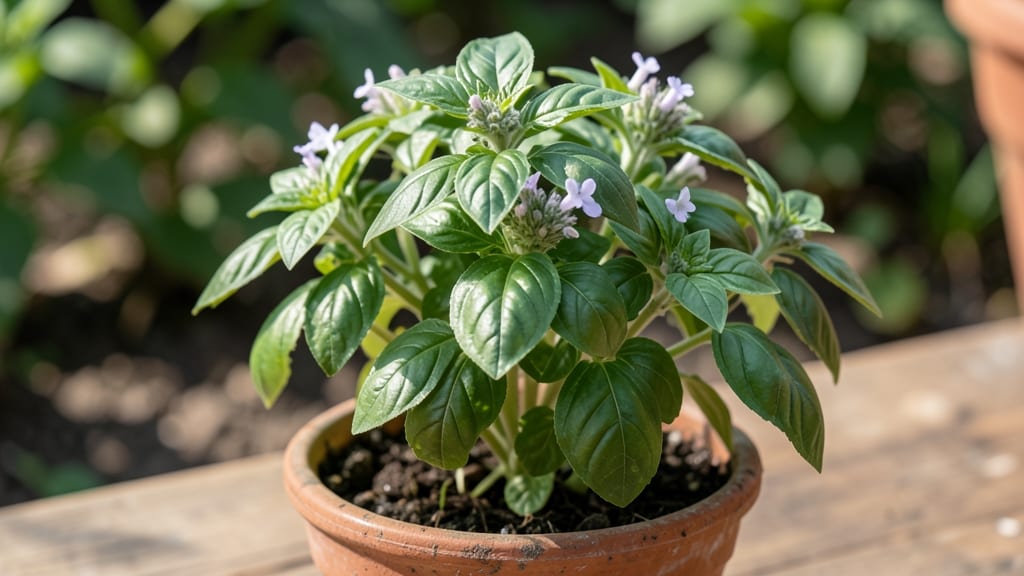
If you can how to tell if basil is flowering early, you’re not just saving your plant—you’re saving its flavor. Those tiny white or purple buds aren’t just a pretty sight; they’re a red flag.
Once basil starts flowering, it shifts its energy from leaves to blooms, turning your sweet, aromatic harvest into bitter disappointment. The good news? Spotting these signs early gives you time to act before your crop goes to seed.
Most gardeners miss the first clues because they don’t know what to look for. Those small buds? They’re your first warning. Then come the elongated stems and slightly yellowing leaves—all signals that your basil is redirecting its energy.
Understanding these 3 key visual cues is your secret weapon to keep your basil tasting fresh and vibrant for weeks longer.
Why does this matter? Because once those flowers open, your basil’s flavor profile changes forever. The leaves become tougher and more bitter, and the plant stops producing new growth.
But with the right knowledge, you can prune those buds early and reset your plant’s focus—back to lush, flavorful leaves you’ll love in salads and sauces.
In this guide, I’ll walk you through exactly how to identify those early signs, what to do if you’ve already missed the window, and the simple pruning tricks that keep your basil thriving. Let’s save your harvest before it’s too late!
3 Visual signs your basil is flowering (and Why it matters)
Basil is one of those herbs that rewards patience—until it starts flowering. When those tiny blooms appear, your plant is essentially saying, "‘Time to harvest or prune me!’" Flowering basil shifts its energy from leaf production to seed creation, which means bitter-tasting leaves and a shorter harvest window.
The good news? Spotting these signs early gives you time to act and salvage your crop.
Flowering basil isn’t the end of the world, but it’s a clear signal that your plant’s priorities have changed. Leaves produced after flowering lose their signature sweet, anise-like flavor, becoming woody and pungent.
If you’ve ever bitten into a basil leaf and thought, "‘Why does this taste like soap?’"—that’s likely flowering in action. Understanding the visual cues can help you intervene before your basil turns from gourmet herb to garden afterthought.
Here’s how to spot the three key signs your basil is flowering, so you can decide whether to prune, harvest, or let nature take its course:
Look for small, round buds (often white or purple) at the top of your basil stems. These are the first visible sign of flowering and appear before any leaves change.
As buds mature, stems will stretch upward, forming thin, wiry spikes (up to 12 inches tall). This is your basil’s way of reaching for sunlight to support seed production.
New leaves may develop yellow edges or a purplish tint, indicating the plant is diverting nutrients to flowers. Older leaves might also shrink or become less aromatic.
Why does this matter beyond flavor? Flowering basil stops producing new leaves efficiently, and the plant’s energy shifts entirely to seed production. This means fewer harvests and smaller leaves over time.
If you’ve been pinching back your basil regularly, you’re likely familiar with this cycle—but once those buds appear, the clock starts ticking.
For example, my Genovese basil plants in containers often flower by mid-summer if I skip pruning. The moment I noticed the purple buds on the top stems, I pruned them back by half, and within weeks, new leafy growth appeared.
The key is acting before the flowers open—once they bloom, the plant is committed to seed production.
If you’re growing basil for pesto, salads, or cooking, flowering is a red flag. The earlier you catch it, the more control you have over your plant’s fate.
Even if you miss the window to prune, harvesting the leaves before they fully mature can still yield usable (though slightly less flavorful) herbs. Think of it as damage control for your garden.
One common misconception is that all basil varieties flower the same way. While Sweet basil and Genovese basil typically show white or purple buds, Thai basil might develop reddish-purple flowers with a stronger scent.
Knowing your variety helps you spot flowering faster. For instance, Thai basil’s flowers are a dead giveaway—they’re highly aromatic and can even be used in teas!
Here’s a quick check: Run your fingers along the topmost stems of your basil. If you feel tiny bumps or spikes, those are buds. If you see any color change in new leaves, that’s another warning sign.
The sooner you act, the more basil you’ll enjoy all season. And trust me, your pasta dishes will thank you.
Flowering basil isn’t a death sentence—it’s a call to action. Whether you prune, harvest, or even propagate from cuttings, recognizing these signs puts you back in the driver’s seat.
Next time you’re inspecting your plants, keep an eye out for those three visual cues, and you’ll never be caught off guard again.
How to prevent basil flowering: step-by-step pruning guide
Once you’ve spotted those tiny white or purple flower buds on your basil, time is of the essence. The key to keeping your plant productive lies in pruning those buds early—before they open and redirect the plant’s energy.
I’ve found that acting within 24-48 hours of spotting the first bud gives me the best chance to reset my basil’s growth cycle. The goal? To encourage bushier, leafier growth so you can enjoy fresh basil for weeks longer.
Pruning isn’t just about cutting back—it’s about training your basil to focus on leaf production. When you remove those flower buds, you’re essentially telling the plant, “Hey, keep growing those tasty leaves!”
The right technique also prevents the stems from becoming woody, which happens when basil puts too much energy into flowering. Let’s dive into the exact steps to follow, so you can keep your basil thriving.
Look for tiny, round buds (white or purple) at the leaf axils or stem tips. These are your first warning signs.
Grab sharp, sterilized pruners or clean scissors to avoid damaging the plant or spreading disease.
Snip the stem 1/4 inch above the bud to prevent regrowth. This encourages new side shoots.
Check the entire plant for hidden buds—even small ones—and remove them all to stop flowering.
Use a balanced fertilizer (10-10-10) to support new growth. Apply in the morning for best results.
Timing your pruning is just as important as the technique. I’ve learned that morning pruning is ideal because the plant has the entire day to recover and redirect its energy. Avoid pruning in the late afternoon or evening, as this can stress the plant and slow down regrowth.
After cutting, always water the plant deeply to help it bounce back faster.
One of the biggest mistakes I’ve seen gardeners make is waiting too long to prune. If the buds have already opened into flowers, the damage is done—the plant’s energy is already shifting toward seed production.
But if you catch those buds early, you can reset your basil’s growth cycle and enjoy a second wave of fresh leaves. Think of pruning as a way to “hit the reset button” on your plant.
For extra encouragement, pinch off the top sets of leaves (the newest growth at the tips) to promote bushier growth. This technique, combined with regular pruning of flower buds, can extend your basil’s harvest season by 3-4 weeks.
Just remember: consistency is key. Check your basil every 3-5 days for new buds, especially during peak growing months (June-August).
With these steps, you’ll keep your basil leafy, flavorful, and productive all season long. And the best part? You’ll never have to settle for bitter, woody leaves again. Happy pruning—your taste buds will thank you! 🌿✂️