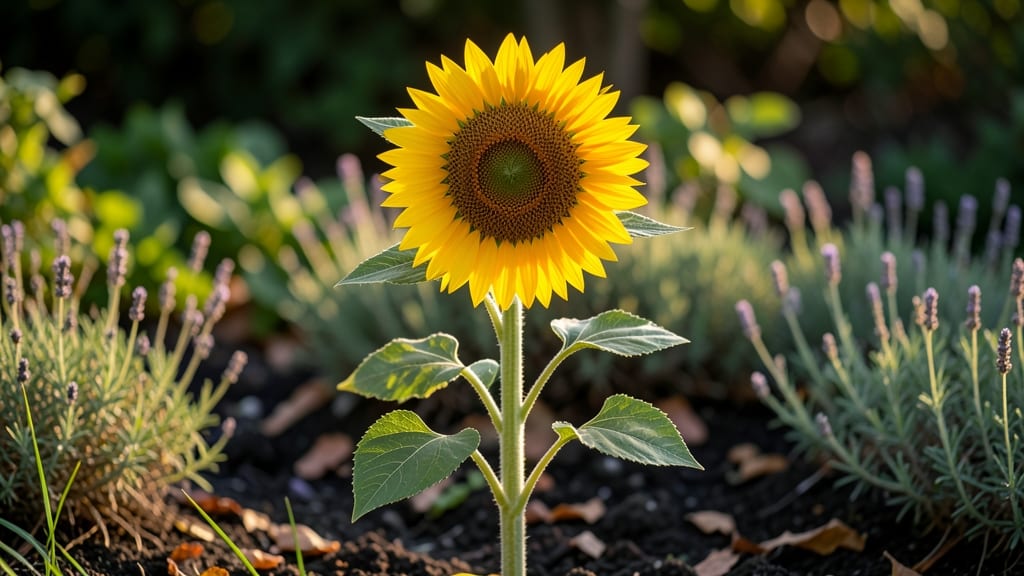
If you’ve ever wondered how tall do sunflowers grow, you’re not alone—some varieties stretch taller than a basketball hoop, while others stay compact enough for containers.
The height of your sunflowers isn’t just about aesthetics; it directly impacts your garden layout, sunlight access for other plants, and even how you’ll harvest those seeds.
Sunflowers come in three main height categories: dwarf varieties top out at 1-3 feet, making them perfect for borders or small spaces, while standard types can reach a staggering 8-16 feet—think skyscrapers for your backyard.
Semi-dwarf varieties bridge the gap at 3-6 feet, offering versatility for both privacy screens and pollinator-friendly patches.
But here’s the catch: height isn’t just about the variety. Soil depth, sunlight exposure, and even watering habits can push your sunflowers to new extremes—or keep them shorter than expected.
I’ll break down the factors that influence growth and share practical tips to help you control their height, whether you’re aiming for a dramatic focal point or a manageable backyard addition.
Ready to pick the perfect sunflower for your space? Let’s explore the tallest, shortest, and everything in between—so you can plan your garden with confidence.
📈
Sunflower Growth Timeline
Sunflower height by variety: tall giants vs. compact dwarfs
Sunflowers come in a stunning range of heights, from dwarf varieties perfect for containers to giant cultivars that reach skyscraper proportions. The mature height of your sunflower depends entirely on its variety, with some dwarf types staying under 3 feet while others tower over 12 feet.
Understanding these differences helps you plan your garden layout—whether you're creating a privacy screen or adding cheerful accents to borders.
Most gardeners assume all sunflowers grow tall, but the truth is far more diverse. Dwarf sunflowers (like 'Teddy Bear') stay compact, making them ideal for small spaces, while standard varieties (like 'Mammoth') can grow taller than a two-story building.
Even within "tall" categories, heights vary by 10 feet or more, so choosing the right variety ensures your garden thrives without overcrowding or flopping stems.
Below is a detailed comparison of popular sunflower varieties, organized by height category. I’ve included ideal spacing, mature height ranges, and real-world height benchmarks (like "taller than a basketball hoop") to help you visualize each type in your garden.
🌻
| Variety |
Height Range |
Ideal Spacing |
Height Benchmark |
Best For |
| Dwarf Varieties |
1–3 ft |
12–18 inches apart |
Bushy shrubs (like a small potted plant) |
Containers, borders, pollinator gardens |
| 'Teddy Bear' |
2–3 ft |
12 inches apart |
Taller than a standard dog (24–30 inches) |
Cut flowers, children's gardens |
| 'Moulin Rouge' |
2–3 ft |
12 inches apart |
Bushy and wide (great for ground cover) |
Borders, mass plantings |
| 'Puck' |
2–3 ft |
12 inches apart |
Compact and round (like a large cabbage) |
Containers, urban gardens |
| Medium Varieties |
3–6 ft |
18–24 inches apart |
Taller than a person (5–6 ft) |
Back of borders, cut flower gardens |
| 'Lemon Queen' |
4–5 ft |
24 inches apart |
Taller than a basketball hoop (10 ft) |
Cut flowers, pollinators |
| 'Autumn Beauty' |
3–5 ft |
18 inches apart |
Taller than a child (4–5 ft) |
Cut flower arrangements |
| 'Russian Giant' |
8–12 ft |
36 inches apart |
Taller than a two-story building (12 ft) |
Privacy screens, statement plants |
| Giant Varieties |
10–16 ft |
48–60 inches apart |
Taller than a giraffe (14 ft) |
Privacy screens, large landscapes |
| 'Mammoth' |
10–14 ft |
48 inches apart |
Taller than a basketball hoop (10 ft) |
Privacy screens, cut flowers |
| 'American Giant' |
12–16 ft |
How sunflower height affects your garden layout and growth tips
Sunflowers aren’t just about their bright yellow blooms—their height variations can completely reshape your garden’s flow. A 16-foot giant planted near your patio will cast shadows for hours, while 3-foot dwarfs create cheerful borders without overshadowing.
The key is strategic placement: use tall varieties as privacy screens along fences or as dramatic backdrop plants for pollinator gardens.
For container gardens, stick to dwarf or semi-dwarf varieties like 'Teddy Bear' (2-3 ft) or 'Moulin Rouge' (3-4 ft). These thrive in 5-gallon pots with deep soil, making them perfect for balconies or small urban spaces.
Just ensure your container has 12+ inches of soil depth—sunflowers need room for their taproots to establish.
🌱 Height-Based Garden Layout Tips
- Tall (8-16 ft): Plant 3-4 ft apart along fences or property lines for instant privacy. Use as windbreaks or backdrop plants.
- Semi-Dwarf (3-6 ft): Ideal for pollinator patches or mixed flower beds. Space 2 ft apart for full blooms.
- Dwarf (1-3 ft): Perfect for container gardens, border edges, or cutting gardens. Cluster 1 ft apart for dense displays.
✂️ Growth Control Techniques
- Prune side shoots to direct energy into main stem growth. Remove lower leaves to prevent disease at soil level.
- Use bamboo stakes or cages for varieties over 6 ft to prevent wind damage and stem breakage.
- For overgrowth control, pinch back flower buds early to encourage bushier growth in dwarf varieties.
Soil depth is non-negotiable for sunflower height. Tall varieties need 18+ inches of loose soil to support their deep taproots. Amend heavy clay with compost or sand to improve drainage—waterlogged roots stunt growth. If your soil is shallow, consider raised beds or deep containers to accommodate giant varieties.
To maximize height in standard varieties, ensure they get full sun (6+ hours daily) and consistent moisture. Water deeply once a week (more in extreme heat) and fertilize with a balanced 10-10-10 mix every 4-6 weeks. Avoid over-fertilizing with nitrogen—it promotes leafy growth over height.
If your sunflowers are leaning or flopping, it’s time to intervene. Tall varieties often need staking or trellising—especially in windy areas. For a natural look, weave plants through a wire trellis or tie stems to bamboo stakes at the base and midpoint.
This not only supports growth but also creates a focal point in your garden design.
Remember, sunflowers are annuals, so their height potential is realized in just one season. Plan ahead: sketch your garden layout with sunflower heights in mind, and group taller varieties together to avoid shadow competition with smaller plants.
With the right placement and care, your sunflowers will become the star attraction of your outdoor space. 🌻
★★★★★5.0(7 reviews)