
Flowers
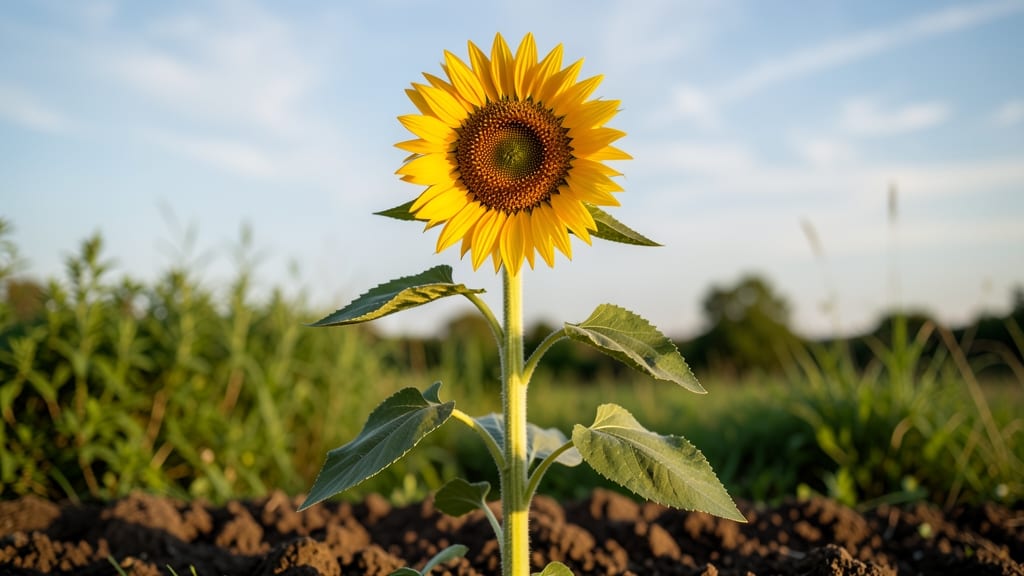
Did you know the how tall are sunflowers you plant could grow anywhere from a compact 1-foot shrub to a towering 16-foot giant? That dramatic height range means your garden can feature everything from charming border plants to dramatic focal points—all from the same sunny seed.
Sunflower height isn't just about variety—it's also shaped by sunlight, soil quality, and even your local climate. In USDA Zone 6a, where spring planting kicks off in April, some varieties stretch toward the sky in just 80 days, while others stay manageable for smaller spaces.
The right choice could transform your garden layout or create privacy screens with minimal effort.
Whether you're dreaming of a whimsical 3-foot dwarf variety for container gardens or planning to grow a 10-foot giant that rivals your porch roof, understanding these height differences is the key to successful planting.
I'll walk you through the most popular sunflower types, how their heights compare, and what that means for your garden's design and care routine.
Let's explore how to pick the perfect sunflower height for your space—because in gardening, size truly does matter when it comes to these cheerful giants.


Sunflower height by variety: dwarf to giant comparison chart
Choosing sunflowers for your garden isn’t just about their bright yellow blooms—it’s about their height potential. Some varieties stay compact, perfect for container gardens, while others reach skyscraper heights that dominate your landscape.
Understanding these differences helps you plan spacing, staking, and even companion planting strategies. Let’s break down the height spectrum from dwarfs to giants.
Sunflower heights aren’t just about aesthetics—they directly impact garden design, maintenance needs, and even pollinator attraction. A 6-foot dwarf might fit neatly in a window box, while a 14-foot giant requires a windbreak and sturdy support.
Below, we’ll explore the three main categories of sunflower heights, their growth habits, and ideal uses.
Pro Tip: Always check seed packets for mature height estimates, as environmental factors like soil quality and sunlight exposure can influence final size by up to 20%. In my experience, well-drained soil and full sun maximize height potential.
| Variety Type | Average Height Range | Growth Rate | Ideal Uses | Spacing Needs |
|---|---|---|---|---|
| Dwarf Varieties | 1–3 ft | 6–8 weeks to maturity | Containers, borders, cutting gardens | 12–18 inches apart |
| Semi-Dwarf | 3–6 ft | 8–10 weeks to maturity | Cut flower arrangements, pollinator gardens | 18–24 inches apart |
| Standard | 6–10 ft | 10–12 weeks to maturity | Backyard focal points, wildlife habitats | 24–36 inches apart |
| Giant | 10–16 ft | 12–14 weeks to maturity | Large gardens, events, artistic displays | 36–48 inches apart |
Dwarf sunflowers, like 'Teddy Bear' or 'Moulin Rouge', are my go-to for small spaces or urban gardens. They bloom quickly—often in 6–8 weeks—and their compact stature makes them ideal for container growing. Just remember, even these little giants need 6+ hours of sun daily to thrive.
For medium-height varieties (3–6 ft), consider 'Autumn Beauty' or 'ProCut'. These are perfect for cutting gardens because they produce long-lasting blooms and grow fast enough to harvest in 8–10 weeks. Their height also makes them great for bees and butterflies, adding a pollinator-friendly element to your garden.
If you’re dreaming of dramatic focal points, giant sunflowers like 'Mammoth' or 'Russian Giant' will steal the show. These can reach 14–16 feet, but they require sturdy staking and rich soil to support their weight.
Plant them in open, sunny areas away from foot traffic to avoid damaging their tall stems.
One common mistake I see is underestimating wind exposure for tall varieties. In my Zone 6a garden, I’ve had 12-foot giants topple over in moderate breezes.
To prevent this, I use bamboo stakes or tree rings for support. For extra stability, plant giants near windbreaks like corn stalks or tall shrubs.
Sunflower height also affects harvest timing. Dwarf varieties may be ready for seed harvesting in 70–80 days, while giants can take 120+ days. If you’re growing for birdseed, leave the heads on the plant until they’ve fully dried and browned.
For edible seeds, harvest when the back of the head turns yellow.
For garden planning, sketch a simple layout before planting. Use tall varieties as backdrop plants and dwarfs in the front. This creates a natural tiered effect that draws the eye upward. I also recommend grouping sunflowers by height to avoid overshadowing smaller plants.
🌻
How sunflower height affects your garden design and care
Choosing the right sunflower height for your garden isn't just about aesthetics—it determines everything from spacing requirements to staking needs and even wind resistance.
A 3-foot dwarf planted too close to a 12-foot giant can create a chaotic mess, while the right combination can transform your space into a structured, eye-catching display.
I've seen firsthand how a single tall variety can become the star of a backyard, drawing hummingbirds and bees while providing shade for smaller plants below.
The sunlight needs remain consistent across all varieties—6-8 hours of full sun daily—but taller sunflowers require more strategic placement to avoid shading out nearby plants.
In my USDA Zone 6a garden, I've learned to position giant varieties along the north or east edges of beds to let sunlight reach smaller companions like basil or marigolds. This simple adjustment can make all the difference in your garden's productivity and visual balance.
- Dwarf varieties (1-3 ft) thrive in containers or borders—ideal for small spaces and patio gardens
- Medium-height (3-6 ft) work perfectly for cutting gardens and privacy screens along fences
- Tall varieties (8-16 ft) need staking or trellises and wind protection—best for open fields or backyard focal points
- Spacing rules: Dwarf (12" apart), Medium (2 ft), Tall (3-4 ft)—follow these to prevent crowding and disease
- Companion plants: Pair dwarfs with salad greens, mediums with tomatoes, and giants with corn or beans for natural support
Let's talk about staking needs, which become critical when dealing with sunflowers over 6 feet tall. In windy areas like mine in Zone 6a, I've had 12-foot giants topple over without support, flattening nearby plants and creating a tangled mess.
My solution? Use bamboo stakes or metal cages inserted at planting time, gently tying stems with soft garden twine as they grow. For extra stability, I plant giants near fences or walls where they can lean naturally without risking damage.
Wind resistance is another factor that varies dramatically by height. While dwarf varieties sway gently in breezes, their tall counterparts can become windbreaks—or liabilities.
Last summer, my Russian Giant nearly snapped in a storm, but I learned that planting them in sheltered corners or grouping them with other tall plants (like corn stalks) provides mutual support. Even medium-height sunflowers benefit from light staking if your garden experiences frequent gusts.
When it comes to companion planting, height plays a strategic role in maximizing space. I've found that dwarf sunflowers make excellent understory plants for taller vegetables like pole beans or sunflowers themselves. The sunflowers provide shade to keep soil moist while the beans climb their sturdy stems.
Meanwhile, giant varieties paired with low-growing herbs create a natural two-tiered display that's both functional and beautiful. This vertical gardening technique has doubled my harvest space in just one season!
Finally, don't overlook how sunflower height affects your harvesting strategy. Taller varieties produce more seeds but require ladders or elevated platforms for easy picking, while dwarfs are perfect for container growing on patios or decks.
I've started keeping a height journal each season to track which varieties perform best in my specific conditions—this helps me plan future plantings with confidence. Whether you're aiming for cut flowers, birdseed, or simply garden drama, choosing the right height is the first step to sunflower success.