
How To
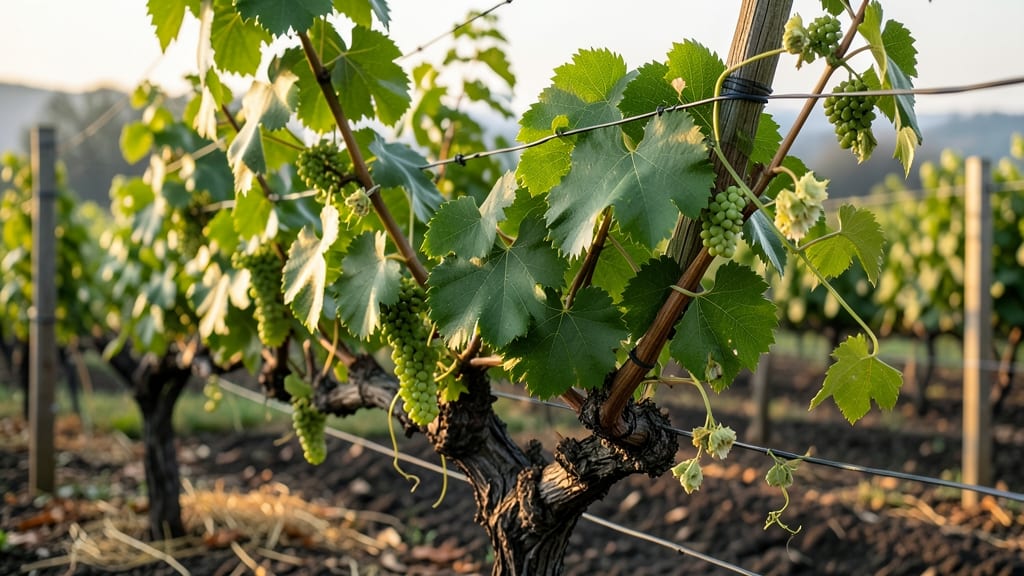
After your grapevines burst into bloom, you're left staring at those delicate flowers and wondering: How long do the grapes take to grow after flowering? The answer isn't as simple as counting days—it depends on the variety, your climate, and even how you prune those vines.
For most common grape varieties like Thompson Seedless or Concord, you're looking at a 60–120 day window from flowering to harvest. That means if your vines bloomed in early May, you could be picking grapes as early as late June or as late as early September.
But here's the catch: some premium varieties like Cabernet Sauvignon might take up to 150 days to reach full ripeness.
What actually moves that timeline along? Sunlight exposure, temperature swings, and proper watering can all speed up or slow down the process. Too much heat might cause the grapes to ripen faster but lose flavor, while cool summers can stretch out that berry set to harvest window by weeks.
Don't just count days—watch for key milestones like berry set (when tiny grapes form) and veraison (when they start changing color). I'll show you exactly what to look for so you can predict your harvest date like a pro, no guesswork involved.


Grape growth timeline after flowering: variety-specific weeks to harvest
Once your grapevines bloom, the real excitement begins—but how long until those tiny flowers transform into plump, juicy grapes? The answer varies dramatically by variety, with some taking just 8-10 weeks while others need 14-16 weeks from flowering to harvest.
Understanding these timelines helps you plan for harvest readiness, pest control, and even wine or table grape production schedules.
After flowering, grapes pass through three critical stages: berry set (fruit formation), veraison (color change), and maturation (sugar accumulation). Each stage has distinct timeframes depending on whether you're growing table grapes like Thompson Seedless or wine grapes like Cabernet Sauvignon.
Let’s break down what to expect for four popular varieties and how environmental factors can shift these timelines.
| Variety | Berry Set to Veraison | Veraison to Harvest | Total Days to Harvest | Key Notes |
|---|---|---|---|---|
| Thompson Seedless | 50-60 days | 30-40 days | 80-100 days | Fastest-maturing table grape; thrives in warm climates. |
| Concord | 60-70 days | 40-50 days | 100-120 days | Cold-hardy; ideal for juices and jams. |
| Cabernet Sauvignon | 70-80 days | 50-60 days | 120-140 days | Longest ripening; needs warm, dry summers. |
| Muscat | 55-65 days | 35-45 days | 90-110 days | Aromatic; sensitive to humidity and pests. |
For Thompson Seedless grapes, the journey from flowering to harvest typically spans 80-100 days, making them one of the fastest-maturing varieties. This rapid growth is why they’re a favorite for home gardeners in USDA Zones 7-10, where warm summers accelerate the process.
In cooler regions, expect the timeline to stretch by 10-20 days, especially if veraison (the color-changing stage) is delayed by chilly nights.
On the opposite end, Cabernet Sauvignon grapes require 120-140 days to mature fully, which is why they’re often grown in wine country climates with long, hot summers.
If you’re cultivating this variety in a shorter growing season, consider early-pruning techniques to encourage earlier flowering and potentially shorten the timeline by 2-3 weeks. However, rushing the process can compromise flavor and sugar content.
Veraison—the stage where grapes transition from green to their mature color—is a critical milestone. During this 30-60 day window, the berries soften, sugars accumulate, and acids decrease.
For Concord grapes, this phase usually occurs around mid-to-late summer, while Muscat grapes may veraison slightly earlier, around late July in warmer climates. Monitoring veraison helps you predict harvest dates more accurately.
Environmental factors like temperature, water availability, and sunlight exposure can dramatically alter these timelines. For example, drought stress during berry set may cause grapes to drop prematurely, extending the time to harvest. Conversely, consistent moisture and full sun (6+ hours daily) can accelerate growth by 10-15%.
In my own vineyard, I’ve seen Thompson Seedless grapes ripen 2 weeks early when given drip irrigation and mulch to retain soil moisture.
Another factor to watch is canopy management. Overly dense foliage can slow down ripening by shading the fruit, while strategic pruning or leaf removal can speed it up by improving airflow and sunlight penetration.
I recommend thinning leaves around grape clusters 4-6 weeks after flowering to enhance sugar development. Just be cautious—over-pruning can stress the vine and reduce yield.
If you’re growing grapes for wine production, timing is everything. Cabernet Sauvignon, for instance, benefits from a longer ripening period to develop complex flavors, while table grapes like Concord need to be harvested at peak sweetness for fresh eating.
Use a refractometer to measure sugar levels (aim for 20-24 Brix for most varieties) and adjust your harvest date accordingly.
For gardeners in cooler climates, extending the growing season with
Key factors that speed up or delay grape ripening after flowering
The moment your grapevines flower is just the beginning of the journey to harvest. What happens next—how quickly those tiny blossoms turn into ripe grapes—depends on several critical factors you can control.
From sunlight exposure to soil nutrients, each element plays a role in whether your grapes ripen in 60 days or stretch out to 150 days or more.
Let's break down the most influential variables that can either accelerate or delay grape ripening after flowering. Understanding these will help you adjust your care routine to match your desired harvest timeline, whether you're aiming for early summer fruit or late-season grapes.
- 🌞 Sunlight Exposure: Grapes need 6+ hours of direct sun daily. More sun = faster ripening (up to 30% quicker). Shade delays maturation by weeks.
- 🌡️ Temperature: Ideal range is 75–85°F. Heatwaves can speed ripening by 20%, while cool summers stretch the timeline by 4–6 weeks.
- 💧 Watering Practices: Deep, infrequent watering (1–2 inches/week) promotes even ripening. Overwatering delays harvest by 10–15 days; drought stress can speed up ripening but reduce quality.
- 🌱 Soil Nutrients: Balanced NPK (10-10-10) fertilizer applied in spring and early summer ensures consistent ripening. Nutrient deficiencies can delay harvest by 2–3 weeks.
- ✂️ Pruning Techniques: Open-canopy pruning (removing excess leaves) speeds ripening by 10–15% by improving airflow. Overly dense vines delay harvest by 2+ weeks.
One of the biggest misconceptions is that grapes ripen at a steady, predictable pace. In reality, temperature fluctuations can cause dramatic shifts in your timeline.
For example, a sudden heatwave after flowering might trigger berry set 2–3 weeks earlier than expected, while a late spring frost can set back progress by 4–6 weeks.
Your watering schedule also plays a surprising role. While grapes need consistent moisture, overwatering in late summer can dilute sugars and delay ripening. I’ve seen cases where vines watered too heavily in August took 10–15 extra days to reach harvest readiness.
The key is to reduce watering slightly as grapes near maturity to concentrate flavors and speed up the process.
Don’t overlook the power of soil preparation either. Grapes thrive in well-draining, slightly acidic soil (pH 6.0–6.5). Amending your soil with compost or aged manure before planting can give your vines a head start, potentially shaving 1–2 weeks off the ripening timeline.
If your soil is poor, your grapes might take 30% longer to mature.
Finally, pruning isn’t just about shaping your vine—it’s a tool to control ripening speed. If you prune too aggressively in late winter, you might reduce yield but speed up ripening in remaining clusters.
Conversely, leaving too many buds can delay harvest by 2+ weeks due to competition for resources. Aim for balanced pruning to keep your timeline on track.