
Planting
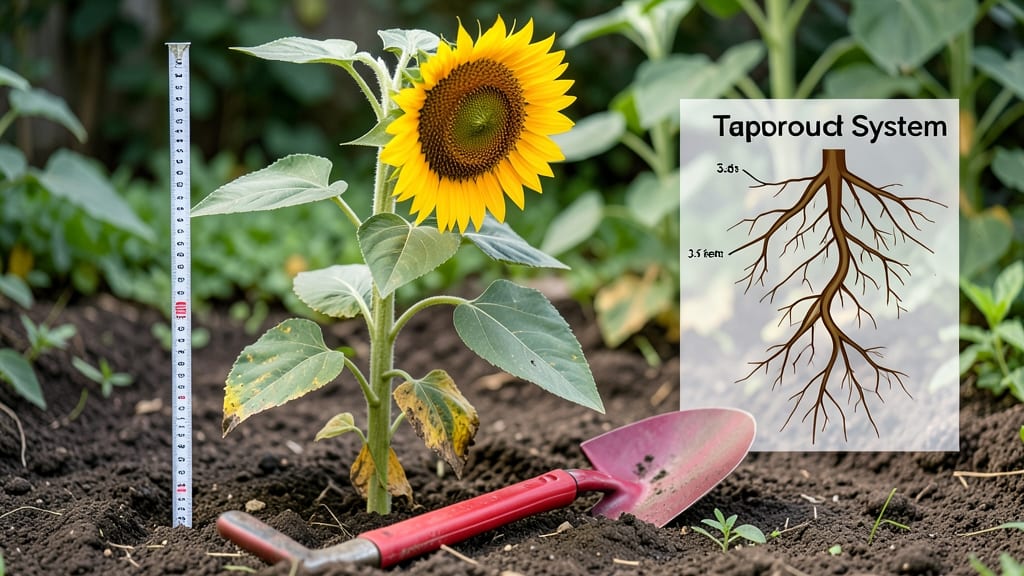
If you’ve ever wondered how deep sunflower roots are and how those towering 🌻 sunflowers stay upright in storms or droughts, the answer lies beneath the soil—roots that plunge deeper than you’d imagine to anchor these giants.
Sunflower roots aren’t just shallow; they dive 3 to 6 feet deep, acting like a hidden support system for the plant’s dramatic height. This depth isn’t random—it’s a survival strategy that helps them access water, nutrients, and stability in even the toughest conditions.
But here’s the catch: planting too shallow or in poor soil can stunt that root growth, leaving your sunflowers wobbly or weak. I’ll break down exactly how deep to plant them, which soil types encourage strong roots, and simple tricks to give your sunflowers the best chance to thrive.
Whether you’re a beginner gardener or a seasoned grower, these insights will help you cultivate sunflowers that stand tall—literally—from the ground up.
Sunflower root depth explained: how far down do they grow?
Sunflowers may seem like they're all about their towering bright yellow blooms, but their root systems are equally impressive. These roots aren't just shallow—they plunge deep into the soil, often reaching 3 to 6 feet depending on the variety and growing conditions.
This depth isn't random; it's a survival strategy that helps them access water, nutrients, and stability, especially in windy conditions.
As a gardener, understanding sunflower root depth is crucial for proper planting, watering, and maintaining healthy plants.
Whether you're growing dwarf varieties for containers or giant sunflowers that reach for the sky, knowing how deep their roots grow helps you avoid common mistakes like overwatering or planting too close to structures.
Here's a quick look at how sunflower root depth varies by species and growth stage, along with key factors that influence their development:
The taproot system of sunflowers is what allows them to grow so deep. Unlike shallow-rooted plants, sunflowers develop a single, thick root that grows downward while sending out smaller lateral roots to absorb nutrients.
This structure is perfect for dry climates or areas with poor soil, as it can reach moisture and minerals far below the surface.
One of the biggest factors affecting sunflower root depth is soil type. In loose, sandy soil, roots can penetrate more easily, reaching their maximum depth. However, in clay-heavy or compacted soil, roots may struggle to grow deep, leading to shallower systems.
If you're planting in heavy soil, consider amending it with compost or sand to improve drainage and root penetration.
Water availability also plays a critical role. Sunflowers are drought-tolerant once established, but during their early growth stages, consistent moisture is essential for deep root development. Overwatering, however, can suffocate roots and lead to shallow growth. Aim for deep, infrequent watering—about 1–2 inches per week—to encourage roots to explore deeper soil layers.
Another surprising factor is wind resistance. Tall sunflower varieties, like the 'Russian Giant', develop deeper roots to anchor themselves against strong winds. If you're growing sunflowers in a windy location, their roots may grow even deeper as a natural response to stay upright.
This is why you'll often see them leaning slightly—they're testing their stability!
When planting sunflowers, keep their root depth in mind. Avoid planting them too close to fences, walls, or other structures, as their roots can spread 2–3 feet wide while growing deep.
Give them plenty of space—at least 12–18 inches apart for dwarf varieties and up to 3 feet apart for giant sunflowers—to prevent root competition and ensure healthy growth.
If you're growing sunflowers in containers, choose pots that are at least 12–18 inches deep to accommodate their root depth. Smaller containers can restrict root growth, leading to stunted plants. Always use a well-draining potting mix and avoid overwatering, as container-grown sunflowers are more susceptible to root rot.
Understanding sunflower root depth isn't just about planting—it's about nurturing these plants to reach their full potential. By providing the right soil conditions, watering techniques, and spacing, you'll help their roots grow strong and deep, supporting those iconic blooms we all love to see towering over our gardens. 🌻
Why sunflower roots grow so deep: the hidden forces behind their length
Sunflowers develop deep taproots as a survival strategy, not just a quirk of nature. These roots can extend 3 to 6 feet underground, far beyond what many gardeners expect.
This incredible depth serves multiple critical functions, from nutrient hunting to wind resistance, ensuring your towering sunflowers stay rooted—literally and figuratively.
Unlike many plants with fibrous root systems that spread wide and shallow, sunflowers rely on a single, dominant taproot that grows straight down. This design allows them to tap into water sources deep below the surface, making them remarkably drought-resistant once established. It’s like nature’s built-in irrigation system!
One fascinating fact is that sunflower roots grow faster than the stems above ground. In ideal conditions, a taproot can extend 1 to 2 inches per day during the early growth stages. This rapid descent helps the plant establish itself before the stem begins its upward surge toward the sun.
However, not all sunflower varieties grow roots to the same depth. Dwarf varieties typically develop shallower roots (1-2 feet), while standard and giant varieties can reach depths of 5-6 feet. If you’re growing sunflowers in container gardens, choose dwarf varieties to prevent root binding.
Understanding these deep-rooted behaviors helps you plant correctly. Always sow seeds at least 1 inch deep and space them 6-12 inches apart to give roots room to expand downward. Loose, well-draining soil is key—compacted soil can stunt root growth and leave your sunflowers struggling to reach their full potential.
Next time you admire a sunflower’s height, remember: its strength starts below the surface, where those hidden roots work tirelessly to keep it standing tall against the elements. 🌱