Flowers
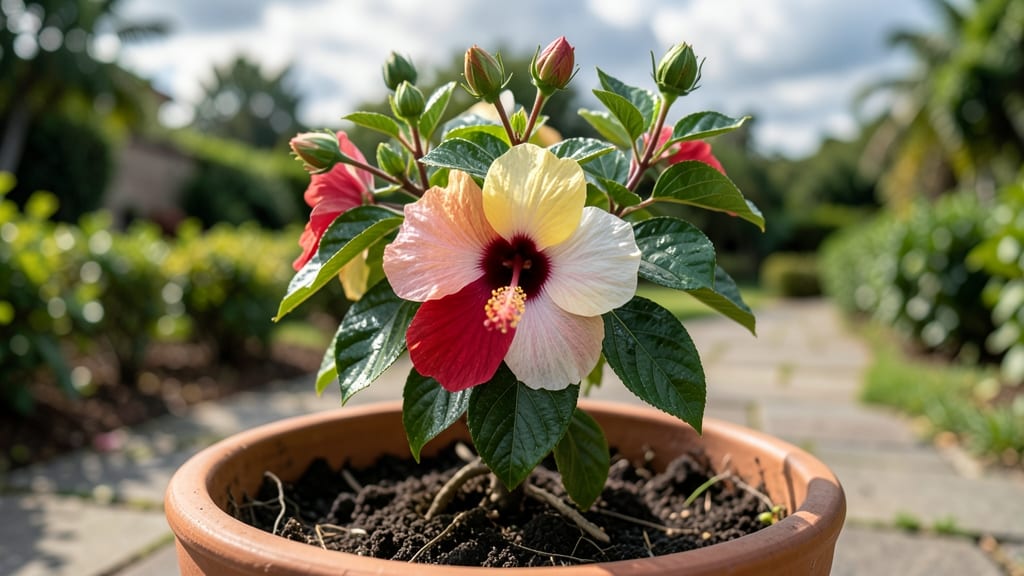
If you’ve ever marveled at a hibiscus flower size that looks like a dinner plate, you’re not alone—these tropical beauties come in everything from tiny 3-inch blooms to massive 12-inch showstoppers. The difference? Variety, care, and a few clever gardening tricks that most people miss.
Picture this: a 🌸 hibiscus in your garden that not only thrives but dominates the space with bold, vibrant blooms. Whether you’re dreaming of a dramatic focal point or a compact container plant, understanding how to coax the right size from your hibiscus is the secret to a showstopping display.
Let’s explore how sunlight, pruning, and soil work together to control—and maximize—your hibiscus’s potential.
Here’s the thing: not all hibiscus are created equal. Tropical types like ‘Lord Lamberton’ can grow 10 feet tall with flowers the size of your hand, while dwarf varieties stay under 3 feet with delicate 2-inch blooms.
Knowing which type fits your space—and how to nurture it—is the first step to achieving the hibiscus size you’ve always wanted.
Ready to transform your garden? I’ll walk you through the exact techniques—from pruning for height control to soil secrets—that will help you grow hibiscus blooms as big (or small) as you imagine. Let’s get started!


Hibiscus flower size by variety: from miniature to giant blooms
When planning your hibiscus garden, the hibiscus flower size you choose can completely transform your outdoor space. Some varieties produce blooms so large they resemble dinner plates, while others create delicate, dainty flowers perfect for containers.
The key difference? It all comes down to the specific hibiscus variety you select and how you care for it.
For example, the 'Lord Lamberton' hibiscus produces 12-inch flowers that can overshadow smaller plants, while the charming 'Little Red' variety stays compact with 2-inch blooms. Understanding these differences helps you design a garden that balances drama and proportion—whether you want a bold statement or subtle elegance.
🌸 Hibiscus Flower Size Comparison
| Variety | Flower Size (Diameter) | Plant Height | Type | Best For |
|---|---|---|---|---|
| 'Lord Lamberton' | 10-12 inches | 8-12 feet | Tropical | Focal points, large gardens |
| 'Dwarf Red' | 3-4 inches | 2-3 feet | Dwarf | Containers, borders |
| 'Little Red' | 2-3 inches | 1-2 feet | Dwarf | Patio pots, window boxes |
| 'Hawaiian Sunset' | 6-8 inches | 6-8 feet | Tropical | Privacy screens, tropical gardens |
| 'Copacabana' | 8-10 inches | 4-6 feet | Hardy | Mixed borders, foundation planting |
| 'Pink Giant' | 7-9 inches | 5-7 feet | Tropical | Cut flowers, garden focal points |
| 'Lopaka Yellow' | 5-6 inches | 3-4 feet | Dwarf | Balconies, small gardens |
| 'Perfection' | 9-11 inches | 10-12 feet | Tropical | Large landscapes, tropical themes |
Note: Flower sizes can vary slightly based on growing conditions, including sunlight, soil quality, and pruning practices.
The tropical hibiscus varieties like 'Lord Lamberton' and 'Perfection' are the showstoppers of the hibiscus world, with blooms that can reach 10-12 inches in diameter. These are perfect if you want to make a dramatic statement in your garden, especially in warm climates where they thrive year-round.
Their large flowers can even attract hummingbirds, adding an extra layer of beauty to your outdoor space.
For gardeners with limited space, dwarf hibiscus varieties like 'Little Red' and 'Lopaka Yellow' are ideal. These compact plants stay under 3 feet tall and produce 2-6 inch blooms, making them perfect for containers, window boxes, or small gardens.
Their manageable size doesn’t mean they lack impact—many dwarf varieties produce vibrant colors that punch well above their height.
If you're looking for a middle ground, hardy hibiscus varieties like 'Copacabana' offer the best of both worlds. With 8-inch flowers and heights of 4-6 feet, they’re versatile enough for borders, foundation planting, or even as standalone specimens.
These varieties also handle cooler temperatures better than tropical types, making them a great choice for gardeners in USDA zones 5-9.
Here’s a pro tip: if you love the look of large hibiscus blooms but have limited space, consider pruning techniques to control height while encouraging bigger flowers. Pinching back new growth in early spring can redirect energy toward flower production, resulting in larger blooms even on smaller plants.
This works especially well for tropical hibiscus varieties that naturally produce big flowers.
Another factor to consider is soil nutrition. Hibiscus plants thrive
How hibiscus plant height affects garden design choices
When planning your garden, the hibiscus plant height you choose can completely transform your space. Some varieties grow like towering trees, reaching 10-20 feet tall, while others stay neatly contained in 2-4 foot pots.
The right height isn't just about aesthetics—it's about function. A tall hibiscus makes a stunning focal point, while dwarf varieties add delicate accents to borders or patios.
Let’s break down how different hibiscus growth habits influence your design options. Whether you’re working with a small balcony or a sprawling backyard, understanding these heights will help you place your plants with confidence.
For example, a 6-foot tropical hibiscus thrives as a standalone specimen, while a 3-foot dwarf blends beautifully into mixed containers.
- 🌳 Tall Hibiscus (10-20 ft) – Perfect for focal points or backyard privacy screens. Varieties like 'Lord Lamberton' create dramatic vertical interest.
- 🌿 Medium Hibiscus (4-6 ft) – Ideal for borders or patio edges. These thrive in mixed beds and complement other perennials.
- 🪴 Dwarf Hibiscus (2-3 ft) – Best for containers or small-space gardens. Varieties like 'Little Red' add vibrant color without overwhelming your layout.
- 🪣 Climbing Hibiscus (Trellis-trained) – Use 3-6 ft trellises to guide growth vertically, saving space while adding height and texture.
For small spaces, consider dwarf varieties or container-grown hibiscus. These stay manageable while still delivering showstopping blooms. Place them near seating areas or along walkways to draw the eye without crowding your garden.
If you’re working with a larger area, tall hibiscus can anchor your design, creating a lush, tropical backdrop for other plants.
Don’t overlook the power of trellis training for climbing hibiscus. Even non-climbing varieties can be guided upward with gentle pruning and support. This technique not only saves space but also adds architectural interest.
For example, a 4-foot hibiscus trained on a trellis can reach 8 feet while maintaining a bushy, full appearance.
When designing with height in mind, always consider your sunlight conditions. Tall hibiscus need full sun (6+ hours daily), while dwarf varieties can tolerate partial shade.
Pair taller varieties with shade-loving plants like ferns or impatiens to create balanced layers. This ensures your hibiscus remains healthy while complementing the rest of your garden.
Ready to experiment? Start with a medium-height hibiscus for versatility, then add taller or shorter varieties to create depth. With the right placement, your hibiscus won’t just survive—it’ll steal the show. 🌸