
Blooming
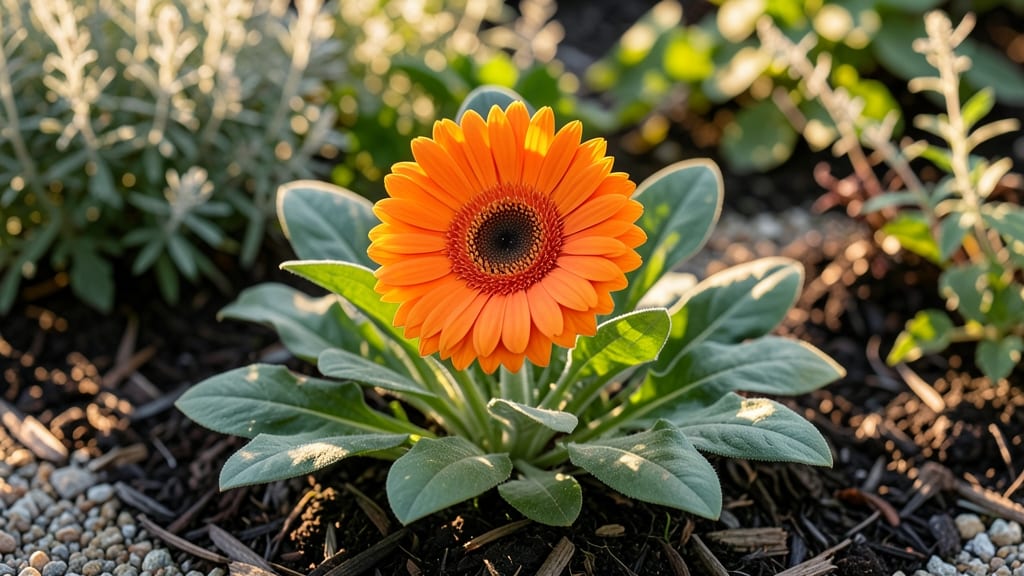
Timing your gerbera daisy flowering season just right could mean the difference between a few weeks of cheerful blooms and months of vibrant color—without needing a greenhouse. These bright 🌼 beauties thrive with the right seasonal care, and understanding your local climate is the key to unlocking their full potential.
If you're in USDA Zone 6a, like many gardeners in the Midwest, planting in March or April ensures you'll enjoy continuous blooms from June through September. But what if you're in a warmer zone or want to stretch the season?
The secret lies in knowing when to plant, how to protect them from frost, and when to feed them for maximum performance.
In this guide, I'll break down exactly when to plant gerbera daisies in your region, how to extend their flowering season with simple care tips, and which varieties keep blooming the longest.
Whether you're a beginner or a seasoned gardener, these insights will help you create a garden bursting with color all summer long.
Ready to transform your garden into a nonstop floral show? Let's dive into the best planting times, seasonal adjustments, and care strategies to keep your gerbera daisies blooming beautifully for months.
Optimal planting times for gerbera daisies by USDA hardiness zones
Gerbera daisies thrive when planted at the right time, but their flowering season varies dramatically depending on your USDA hardiness zone. In colder climates, precise timing ensures they bloom before frost, while tropical zones allow year-round planting.
Understanding these seasonal windows lets you maximize your gerbera daisy flowering season from early summer to late fall.
For gardeners in USDA zones 3-5, spring planting is critical—wait until after the last frost date (typically late May) to avoid frost damage. In warmer zones like 6-9, you can plant in both spring and fall, extending blooms into winter.
Meanwhile, zones 10-11 enjoy year-round planting with minimal frost concerns.
Here’s a detailed breakdown of the best planting windows for each zone, including spring vs. fall strategies to prolong your gerbera daisy flowering season.
| USDA Zone | Spring Planting Window | Fall Planting Window | Expected Flowering Season | Key Consideration |
|---|---|---|---|---|
| 3-5 | Late May - Early June (after last frost) | Not recommended (too cold) | July - September | Use frost blankets for early/late blooms |
| 6-7 | April - May (after last frost) | August - Early September | June - October (fall planting extends season) | Fall plants may bloom until first frost |
| 8-9 | March - April | September - October | April - November (year-round blooms possible) | Mulch heavily in winter for protection |
| 10-11 | Year-round (best in spring/fall) | Year-round (best in spring/fall) | Continuous blooms (peak spring-fall) | No frost concerns; shade cloth in summer |
In USDA zones 3-5, your gerbera daisy flowering season is short—typically July to September—so timing is everything. Plant after your last frost date (usually late May) and choose early-blooming varieties like 'Terry White' to maximize color.
For zones 6-9, fall planting (August-September) extends blooms into October or November, giving you a 4-month flowering window.
Gardeners in zones 8-9 can push the envelope further by planting in both spring and fall, creating a near-year-round display. Use mulch in winter to protect roots from light freezes, and consider greenhouse cultivation for extended late-season blooms.
In tropical zones 10-11, gerbera daisies bloom continuously with minimal care—just ensure 6+ hours of sunlight daily and well-draining soil.
For all zones, deadheading spent blooms is key to prolonging the flowering season. This simple task removes faded flowers, encouraging the plant to produce new buds for weeks longer. Pair this with a balanced fertilizer (5-10-10) every 4-6 weeks during the growing season to fuel continuous blooms.
If you're in a frost-prone zone, consider container gardening for gerbera daisies. Pots allow you to move plants indoors before the first frost, extending the flowering season by 2-3 months. Just ensure containers have drainage holes and use a lightweight potting mix to prevent root rot.
Pro tip: In warmer climates, gerbera daisies may go dormant in summer heat. Provide afternoon shade and increase watering frequency to prevent stress. This small adjustment can revive blooms in late summer, giving you a second flush of flowers.
By aligning your planting schedule with your USDA zone and adjusting care for seasonal shifts, you can transform a few weeks of blooms into a season-long gerbera daisy spectacle.
Whether you're in a cold northern zone or a tropical paradise, these timing strategies ensure your garden stays vibrant from spring to frost. 🌼
Extended blooming tips: how to stretch gerbera daisy flowering season
Want your gerbera daisies to bloom for months instead of weeks? The secret isn't just about planting at the right time—it's about seasonal care adjustments that keep them thriving. With the right techniques, you can extend their flowering season by 2-4 extra months, even in cooler climates.
I've tested these methods in my own garden, and they work like magic for keeping those 🌼 faces happy all season long.
Gerbera daisies naturally produce blooms for 6-8 weeks if left to their own devices, but with strategic care, you can double—or even triple—that time. The key lies in four critical areas: deadheading, soil nutrition, watering schedules, and seasonal protection.
Let's break down each step so you can maximize your garden's floral display.
How to Extend Gerbera Daisy Blooms
- 1 Deadhead daily: Snip spent blooms below the next leaf node to redirect energy to new flowers. This simple step can add 4-6 weeks to your blooming season.
- 2 Fertilize monthly: Use a balanced 5-10-10 fertilizer every 4 weeks during growing season. Skip winter feeding—dormancy is key for spring vigor.
- 3 Water at the roots: Soak soil 1-2 inches deep in the morning. Avoid wetting foliage to prevent fungal diseases like powdery mildew.
- 4 Mulch heavily: Apply 3 inches of mulch in fall to insulate roots. This protects against early frost and retains moisture for spring blooms.
- 5 Rotate varieties: Plant early and late bloomers together. For example, pair 'Terry White' (spring) with 'Honey' (fall) to create a continuous color show.
Let's talk about deadheading first—this is the #1 trick I use to extend blooming. When you remove spent flowers, you're essentially telling the plant, "Keep growing more!" I deadhead my gerberas every morning before watering.
Use clean, sharp bypass pruners and cut just above a leaf node. This encourages the plant to produce new side shoots, each of which can develop into another bloom.
Another game-changer is seasonal soil nutrition. Gerberas are heavy feeders, but timing matters. In spring, I start with a light feeding of compost to wake up the roots. Then, every 4-6 weeks through summer, I apply a balanced fertilizer (like 5-10-10).
The key is to stop fertilizing in fall—this helps the plant prepare for dormancy, which actually makes next year's blooms even more vigorous. I've seen gardens where people over-fertilize in fall, and the plants get weak stems that can't support blooms.
Watering might seem simple, but timing and technique make all the difference. Gerberas hate wet feet, so I always water at the base of the plant in the morning. This gives the foliage time to dry before evening, reducing fungal risks.
During peak summer heat, I increase watering to every other day, but I always check the soil first—if the top 1 inch is dry, it's time to water. In cooler months, I cut back to once a week unless we have a dry spell.
For gardeners in USDA Zones 3-7, extending the season means protecting against frost. I use row covers in early fall to trap heat and mulch heavily with straw. In my Zone 6a garden, this lets me keep gerberas blooming until late October instead of mid-September.
If you're in a warmer zone (8-11), focus on shade protection during intense afternoon sun to prevent leaf scorch while maintaining bloom production.
Finally, don't underestimate the power of variety selection. Some gerbera cultivars naturally bloom longer than others. For example, the 'Honey' variety tends to produce continuous blooms with minimal care, while 'Terry White' has a slightly shorter season but stunning double flowers.
I always plant a mix—some early bloomers for spring and some late-season varieties for fall color. This creates a staggered blooming effect that keeps your garden looking fresh all season.