
Flowers
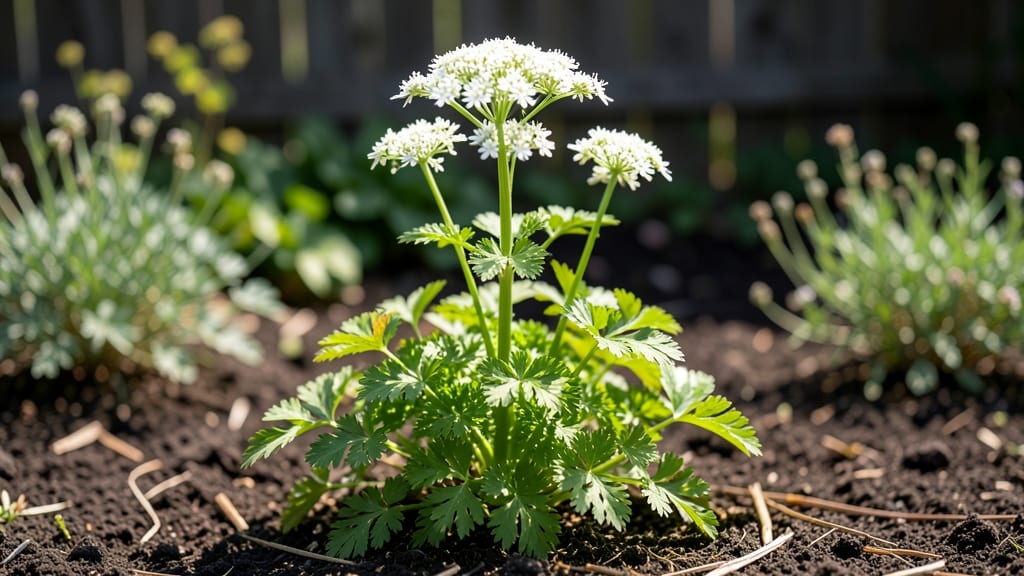
Seeing those delicate white or yellow flowers on cilantro plant might feel like a surprise—especially when you’re growing it for fresh leaves! But these blooms aren’t just a sign of trouble; they’re actually a natural part of cilantro’s life cycle that can add unique flavors to your cooking.
If you’ve ever wondered why your cilantro 🌿 suddenly sprouts flowers, the answer lies in its growth stages. These blooms don’t mean your plant is failing—they’re a signal that it’s maturing, and with the right care, you can even use them in your kitchen.
Let’s explore how to work with these flowers instead of against them.
You might think flowers mean the end of leaf production, but that’s not always true. With a few simple tricks—like adjusting sunlight or harvesting at the right time—you can keep your cilantro thriving while enjoying its floral side. Plus, those flowers have their own culinary uses, from garnishes to teas.
Ready to turn those blooms into a bonus for your garden? I’ll show you exactly how to encourage cilantro flowers naturally, so you can enjoy both leaves and flowers without the stress. Let’s get started!
Why cilantro flowers appear and their impact on leaf flavor
Cilantro plants develop flowers on cilantro plant as part of their natural lifecycle, a process called bolting. This happens when the plant shifts from leaf production to seed development, often triggered by environmental factors like heat stress or long daylight hours.
While it might seem like a setback, these flowers are actually a sign of maturity and can even improve the plant’s flavor profile.
Many gardeners assume flowering means the end of leaf harvests, but that’s not always true. The flowers themselves contain unique terpene compounds that can add a citrusy, slightly spicy note to dishes.
Understanding why your cilantro flowers and how it affects leaf flavor helps you manage the plant for optimal harvests.
| Factor | Impact on Flowering | Effect on Leaf Flavor |
|---|---|---|
| Temperature | Hot weather (>80°F) triggers bolting | Leaves may become bitter |
| Daylight Hours | Long days (14+ hours) speed flowering | Flowers add citrusy notes to leaves |
| Variety | Slow-bolting types resist heat better | Leaves stay mild and sweet longer |
| Water Stress | Drought conditions accelerate flowering | Leaves may lose freshness quickly |
| Soil Nutrients | Over-fertilization can trigger bolting | Balanced soil keeps leaves tender |
The science behind cilantro flowering involves plant hormones like ethylene and abscisic acid, which signal the transition from vegetative to reproductive growth. When your cilantro experiences stress—whether from heat, drought, or poor soil—these hormones kick in faster, leading to early flowering.
Some cilantro varieties are bred to resist bolting, like 'Slow Bolt' or 'Calypso', which stay leafy longer in warm climates. If you live in a hot region, choosing these types can help you enjoy fresh leaves for weeks longer.
Even with flowering, the leaves often remain edible but may taste more intense and aromatic.
Climate plays a huge role in when cilantro flowers appear. In cooler regions like USDA Zone 5-6, cilantro often bolts in late spring when days lengthen. Meanwhile, in warmer zones like Zone 8-9, it may flower as early as April or May.
Understanding your local climate helps you time plantings to avoid premature bolting.
Did you know the flowers themselves are edible? While they’re not as commonly used as the leaves, they add a delicate, slightly spicy flavor to salads, soups, or even infused oils. The seeds (coriander) are another story—they’re completely different in taste but equally useful in cooking.
To manage flowering without sacrificing leaves, try harvesting the outer leaves first and avoiding overwatering. This keeps the plant focused on leaf production while still allowing it to flower naturally. With the right approach, you can enjoy both leaves and flowers in your kitchen.
If you’ve noticed your cilantro flowering earlier than expected, it might be time to adjust your growing conditions. Shade cloth, consistent watering, and cooler soil temperatures can all help delay bolting. The key is balancing these factors to keep your plant happy and productive.
Next time you spot those white or yellow flowers on cilantro, don’t panic! Instead, see it as an opportunity to experiment with new flavors in your cooking. Whether you’re using the leaves, flowers, or seeds, cilantro’s flowering stage adds depth to your garden and your meals. 🌱
5 Natural ways to encourage cilantro flowers without losing leaves
Encouraging flowers on cilantro plant doesn’t mean sacrificing those fresh leaves you love. In fact, a little controlled flowering can enhance your cilantro’s flavor profile while keeping your harvest abundant.
The key is understanding how to gently nudge your plant toward flowering without triggering a full bolting response that stops leaf production.
Many gardeners mistakenly think flowering means the end of leaf harvests, but with the right techniques, you can enjoy both. For example, partial shade exposure during hot afternoons can delay bolting while still allowing enough light for flowering. This balance is what keeps your cilantro thriving and productive.
- Use shade cloth to filter sunlight during peak heat (10 AM–4 PM) while allowing morning sun for flowering.
- Water deeply twice weekly to maintain consistent moisture without over-saturating the soil.
- Apply a balanced fertilizer (5-10-10) every 6 weeks to support both leaf and flower growth.
- Harvest outer leaves first to encourage bushier growth while allowing flowers to develop.
- Plant in well-draining soil with added compost to prevent nutrient stress that triggers bolting.
One of the simplest ways to encourage flowering is by adjusting your light exposure. Cilantro thrives in partial shade but needs enough sunlight to flower.
Try placing your plants near a window with morning sun and afternoon shade. This mimics natural conditions and prevents heat stress, which can cause premature bolting.
Your watering strategy also plays a crucial role. Overwatering or letting the soil dry out completely can stress the plant and trigger flowering too soon. Instead, aim for consistent moisture—watering deeply twice a week and mulching to retain soil moisture.
This keeps your cilantro happy and focused on producing both leaves and flowers.
Another pro tip is to use a balanced fertilizer like 5-10-10 every 6 weeks. This provides the nutrients your cilantro needs to support both leaf and flower growth without overstimulating it. Avoid heavy nitrogen fertilizers, which can encourage leafy growth at the expense of flowering.
If you notice your cilantro starting to bolt too early, don’t panic. Simply harvest the outer leaves first to keep the plant bushy and encourage new growth. This technique works wonders for extending your harvest season while still allowing the plant to flower naturally.
Plus, those flowers add a unique citrusy flavor to your dishes!
With these natural methods, you can enjoy the best of both worlds: abundant leaves and beautiful cilantro flowers that enhance your cooking. Whether you’re using the flowers as garnishes or saving seeds for next season, your garden will thank you for the gentle care. 🌻