
Landscaping
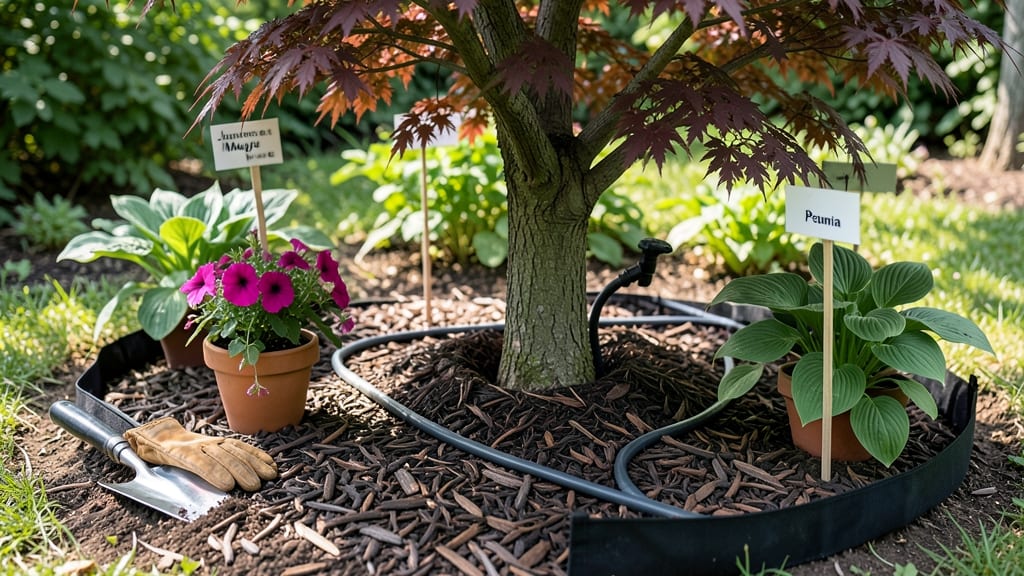
Transforming bare circles into lush flower bed ideas around trees turns ordinary spaces into thriving oases that don’t compete with roots. 🌿 The key is selecting shade-tolerant plants that love dappled light while keeping roots happy—no more sad, scraggly blooms fighting for space.
My first attempt used sun-loving annuals, and by midsummer, they were crispy brown messes. Lesson learned: match plants to the tree’s shadow pattern, not just its size.
Start with mulch—3 inches of shredded bark or wood chips—to protect roots and lock in moisture. Then layer in perennials like hostas, ferns, or astilbes that handle shade, paired with bulbs like daffodils or alliums for early spring color.
Avoid dense ground covers; they smother tree roots over time. A 5-foot radius from the trunk gives roots breathing room while leaving plenty of space for flowers.
By late spring, you’ll have a vibrant understory that blooms in waves—delicate ferns unfurling in spring, hostas turning chartreuse in summer, and late-season asters adding height. The tree’s canopy becomes a natural umbrella, shielding flowers from harsh afternoon sun while creating that cozy, woodland-garden feel.
Even pruning becomes easier when the bed’s design works with the tree, not against it.
This approach works for any tree—oak, maple, or even young fruit trees—just adjust the plant list for your shade level. The payoff? A garden that feels intentional, not just a patchwork of trial-and-error blooms. Let’s make that tree’s shadow work for you.
📚 In This Guide
- What you need
- Instructions
- Tips and common mistakes
- Wrapping up and next steps
What you need
- ● Soil amendments: 2–3 bags of well-draining potting mix (or a blend of compost, peat moss, and perlite)
- ● 1–2 bags of mulch (pine bark, cedar chips, or shredded leaves for moisture retention)
- ● Shade-tolerant plants: 5–10 hostas (for lush foliage)
- ● 3–5 heucheras (for vibrant leaves)
- ● 5–7 bleeding heart or astilbes (for delicate blooms)
- ● 2–3 ferns (e.g., maidenhair or Ostrich fern)
- ○ Optional: foamflower or sweet woodruff for ground cover
- ● Tools: Garden trowel or hand shovel
- ● Garden fork (for aerating soil)
- ● Pruners (for trimming plants)
- ● Wheelbarrow or bucket (for mixing soil)
- ● Measuring tape (to mark plant spacing)
- ● Garden hose or watering can (with a gentle spray nozzle)
- ● Edging material (e.g., flexible metal or plastic edging) to define the flower bed
- ● Slow-release fertilizer (balanced 10-10-10 or organic options like fish emulsion)
- ● Mulch rings or decorative stones to keep mulch in place
- ● Garden gloves (for comfort and protection)
- ● Knee pads (if you’ll be kneeling often!)
- ● Confirm your tree’s root spread (avoid planting too close—3–5 feet from the trunk is ideal)
- ● Test your soil’s pH level (shade plants prefer 5.0–7.0; amend if needed)
- ● Check for competition (remove weeds or invasive plants first!)
- ● Assess sunlight exposure (partial shade = 3–6 hours of light; deep shade = <3 hours)
Step-by-step guide to designing flower beds around trees
Here's how to create stunning shade gardens that protect tree roots while showcasing your favorite blooms.
🌱 Step 1: Assess Your Tree and Soil Conditions
Start by examining your tree's canopy and root zone. Measure the tree's diameter at 4-6 inches above the soil line—this determines your planting area. For most mature trees, create a 3-foot-wide band around the trunk, extending outward to the dripline (where branches spread). This zone gets the least sunlight and needs moisture-retentive plants.
Dig a 2-inch-deep hole in several spots around the edge of this band to check soil moisture. Press your finger into the soil—if it feels dry after 1-2 days, you'll need plants that tolerate occasional drought. If it stays damp, opt for moisture-loving perennials. I always test pH too; most shade plants prefer 6.0-7.0. A simple soil test kit from the garden center makes this easy.
🪴 Step 2: Prepare the Planting Area with Mulch and Edging
Lay down 3-4 inches of shredded hardwood mulch (never pile against the tree trunk—keep it 2-3 inches away to prevent rot). This mimics the forest floor where shade plants naturally grow. For edging, use flexible landscape fabric or metal edging strips to define the bed neatly. I prefer fabric because it lets water seep through while keeping grass roots out.
If your tree has aggressive roots, add a 1-inch layer of coarse sand between the mulch and planting area. This creates a root barrier that prevents competition while allowing water to penetrate. Mark planting spots with wooden stakes spaced 12-18 inches apart—this ensures mature plants won't crowd each other or the tree's roots.
☀️ Step 3: Select and Plant Shade-Tolerant Perennials
Choose plants that match your light conditions: partial shade (3-6 hours of sun) supports hellebores and astilbes, while full shade (less than 3 hours) thrives with ferns and lungwort. Dig holes twice as wide as the root ball but only as deep—planting too deep suffocates roots. Gently loosen roots if they're circling before placing them in the hole.
Fill gaps with native soil mixed with compost (I use a 50/50 blend) and water deeply until moisture reaches 6 inches down. The first year is critical—water weekly during dry spells to establish roots. I always plant in early spring or fall when temperatures are mild, giving plants time to settle before summer heat or winter freeze.
💧 Step 4: Maintain with Seasonal Care
After planting, refresh the mulch layer annually in early spring to 2-3 inches thick. This protects roots from temperature swings and retains moisture. In late winter, trim back dead foliage but leave last year's stems—they provide winter interest and protect emerging shoots. Fertilize lightly in spring with a balanced 10-10-10 formula, but skip fertilizer in the first year to avoid burning tender roots.
Watch for leaf yellowing—this often signals overwatering. Shade plants need 1 inch of water weekly, but more in extreme heat. If leaves wilt but soil feels damp, your tree's roots may be competing. In that case, water deeply but less frequently to encourage deeper root growth in your flowers.
Tips & tricks for perfect shade garden design around trees
Between us, creating a thriving shade garden around trees takes more than just picking pretty plants—it's about understanding the invisible battle between roots and blooms. Here's what I've learned from years of trial and error.
Root Zone Awareness: The 3-foot band around your tree's trunk is where the real action happens. This zone gets the least sunlight and the most competition from tree roots. I've found that marking this area with wooden stakes before planting prevents accidental damage to roots during future maintenance. The dripline (where branches spread) is your outer boundary—never plant beyond it unless you're okay with your flowers competing with the tree for water and nutrients.
Mulch Placement Matters: That 3-4 inches of shredded hardwood mulch should never touch the tree trunk—keep it 2-3 inches away to prevent rot. I've seen too many gardens where mulch piled against bark creates the perfect environment for disease. Instead, create a slight gap and use the mulch to build up the soil level gradually. This also helps with water retention, which is crucial for shade plants that need consistent moisture.
Soil Testing Secrets: Most shade plants thrive in soil with a pH between 6.0 and 7.0, but don't guess—test it! A simple soil test kit from your local garden center reveals everything you need to know. I've had clients add lime to raise pH or sulfur to lower it, completely transforming their shade garden's success. The 2-inch-deep moisture check is also key: if your soil stays damp after 1-2 days, you're dealing with moisture-loving plants that need different care than those that tolerate occasional drought.
Plant Spacing Strategy: That 12-18 inch spacing between plants might seem generous, but trust me—it prevents future headaches. Shade plants grow slowly, but they do spread. Proper spacing gives them room to mature without crowding each other or the tree's roots. I always visualize mature plant sizes when spacing, even if they're small now. This is especially important in the first year when roots are establishing.
Pro Tips for Flower Bed Ideas Around Trees
- Between us, creating a thriving shade garden around trees takes more than just picking pretty plants—it's about understanding the invisible battle between roots and blooms.
- Root Zone Awareness: The 3-foot band around your tree's trunk is where the real action happens.
- Mulch Placement Matters: That 3-4 inches of shredded hardwood mulch should never touch the tree trunk—keep it 2-3 inches away to prevent rot.
Frequently asked questions
Got questions about creating stunning flower beds around trees? You’re not alone! Here are answers to common concerns to help you design with confidence—no guesswork required.
What’s the best time of year to plant flowers around trees?
For most regions, spring or early fall are ideal—when soil is workable and temperatures are mild. Avoid planting in extreme heat or cold, as roots struggle to establish. Pro tip: If planting in fall, choose cold-hardy perennials like heuchera or hostas for a head start next season!
How do I keep flowers from competing with tree roots for water?
Use mulch (3–4 inches of shredded bark or wood chips) to retain moisture and suppress weeds. Water deeply but infrequently—aim for 1–1.5 inches per week—and avoid overwatering, which can suffocate roots. Bonus: Drip irrigation systems deliver water directly to flower beds without wasting resources!
Can I use annuals or do I need perennials for a tree flower bed?
Both work! Annuals (like impatiens or begonias) offer quick color but require yearly replanting. Perennials (such as ferns, astilbes, or lungwort) return yearly with less upkeep. For shade, opt for perennials—they’re low-maintenance and thrive in consistent conditions.
My tree’s roots are shallow—how do I protect my flowers?
Stick to shallow-rooted plants (like ajuga or foamflower) and avoid deep digging near the trunk. Create a root barrier (like landscape fabric) if roots are aggressive, but leave space for airflow. Warning: Never pile mulch against the tree trunk—keep it 3–6 inches away to prevent rot.
How can I add height and texture without overwhelming the tree?
Layer plants by height: tall grasses (like carex) or fern varieties (e.g., Japanese painted fern) at the back, medium shrubs (like hydrangeas) in the middle, and ground covers (like sweet woodruff) up front. Design hack: Use variegated foliage (e.g., hostas or heuchera) for instant texture and contrast!
Wrapping up and next steps
Transforming the space around your trees into a vibrant flower bed doesn’t have to be daunting—it’s all about choosing the right plants and a little creativity! 🌿 With shade-loving blooms, mulch, and smart layering, you can create a lush, low-maintenance oasis that thrives without competing with your tree’s roots.
Whether you’re working with deep shade, partial sun, or rocky soil, there’s a design that’ll bring color and life to your outdoor space.
Ready to get started? Sketch a rough layout of your flower bed—measure the tree’s canopy, note sunlight patterns, and pick 2-3 plants to begin. Then, grab your tools and turn that vision into reality! Your future garden (and future visitors) will thank you. 🌸