
Flowers
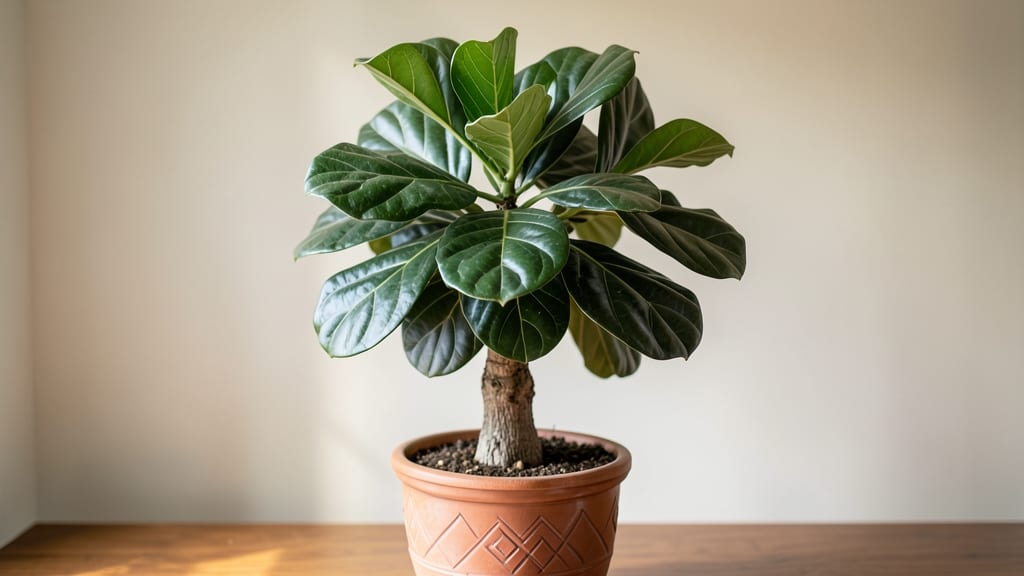
If you’ve ever dreamed of seeing a ficus macrophylla flower—the rare, ethereal blooms of the Moreton Bay Fig—you’re not alone.
Most gardeners assume this towering 🌳 beauty is all about its dramatic foliage, but the truth is, with the right care, it can produce flowers, and they’re worth the wait.
The key lies in mimicking its native tropical conditions, from humidity levels to sunlight exposure. I’ve spent years perfecting the balance, and what I’ve learned isn’t just about waiting for luck—it’s about creating the perfect environment to coax those delicate blooms.
Whether you’re a seasoned grower or just starting with this giant houseplant, these secrets will help you unlock its full potential.
But here’s the catch: flowering is just the beginning. Once those blooms appear, you’ll need to adjust your care routine to keep your Moreton Bay Fig thriving year-round.
From soil prep to pruning tips, I’ll walk you through every step to ensure your tree stays healthy, vibrant, and ready for its next spectacular display.
Ready to transform your 🌳 into a showstopper? Let’s dive into the science-backed strategies that’ll have your Moreton Bay Fig blooming like never before—and keep it flourishing for years to come.
How to trigger ficus macrophylla flowering: science-backed triggers
The Ficus macrophylla is a tropical giant that thrives on drama—but its rare flowers are the ultimate showstopper. Unlike its more common ficus relatives, this species typically blooms only under specific environmental triggers.
Understanding these triggers can transform your Moreton Bay Fig from a leafy centerpiece into a flowering spectacle. The key lies in replicating its native tropical conditions while avoiding common care mistakes that suppress blooms.
In the wild, Ficus macrophylla flowers in response to seasonal shifts, particularly during warmer months with high humidity. As a grower, you’ll need to mimic these conditions year-round, especially if you’re cultivating it indoors or in cooler climates.
The process involves balancing light exposure, temperature fluctuations, and even controlled stress—all while keeping your plant healthy. Let’s break down the science-backed triggers that encourage flowering.
🌱 Key Insight: Flowering in Ficus macrophylla is often triggered by a combination of optimal growing conditions and mild stress signals. Think of it like coaxing a shy bloomer out of its shell—you need to create the right environment while gently pushing it to perform.
- 1 Light Triggers: Provide 6+ hours of direct sunlight daily. In low-light conditions, supplement with grow lights (12-14 hours/day) to mimic tropical intensity.
- 2 Temperature Shifts: Maintain 70-85°F during the day, with 10-15°F drops at night to simulate seasonal changes. Avoid consistent warmth, which can suppress blooms.
- 3 Humidity Boost: Aim for 60-80% humidity using a humidifier or pebble tray. Dry air is a major flowering blocker for tropical figs.
- 4 Stress Techniques: Lightly prune back 1/3 of new growth in late winter to encourage bud formation. Avoid over-fertilizing—balanced NPK (6-4-4) is key.
- 5 Avoid Overwatering: Let the top 2-3 inches of soil dry between waterings. Soggy roots prevent flowering by diverting energy to survival.
Let’s start with the most critical trigger: light exposure. Ficus macrophylla is a sun-worshipper, and insufficient light is the #1 reason it fails to bloom. In its native Australia, this fig thrives under bright, filtered sunlight in coastal forests.
Indoors, place your plant near a south-facing window or use full-spectrum LED grow lights for 12-14 hours daily. If you notice yellowing leaves or slow growth, your plant is begging for more light.
Next, temperature fluctuations play a surprising role. While Ficus macrophylla loves warmth, it needs a gentle nighttime chill to trigger flowering. In tropical climates, this happens naturally with cooler ocean breezes.
Indoors, you can create this effect by moving your plant 5-10 feet away from a heat source at night or using a small fan to simulate airflow. Aim for a 10-15°F drop between day and night—this mimics the seasonal cues that prompt buds to form.
Humidity is another non-negotiable for flowering. These tropical trees evolved in high-humidity environments, and dry air can completely shut down the blooming process. Use a humidifier set to 60-80% or place your plant on a pebble tray filled with water.
Grouping plants together also helps create a microclimate of moisture. If you notice brown leaf tips, it’s a sign your plant is thirsty for humidity.
Now, let’s talk about stress techniques, which might sound counterintuitive. Lightly pruning back 1/3 of new growth in late winter can shock your plant into flowering. This mimics the
Year-round care guide: soil, water, and light secrets for healthy growth
Your ficus macrophylla thrives when you adapt its care to the seasons—just like its tropical roots demand. The key to encouraging those rare ficus macrophylla flowers starts with understanding how each season impacts its soil health, water needs, and light exposure.
In spring, focus on revitalizing growth after dormancy, while winter requires minimal intervention to preserve energy. Let’s break it down by season so you can keep your Moreton Bay Fig flourishing year-round.
Spring is all about rejuvenation. After winter’s rest, your tree will signal new growth with fresh leaves. This is the perfect time for light pruning to shape the canopy and remove dead branches. Use sterilized pruning shears to make clean cuts just above leaf nodes.
Pair this with a balanced fertilizer (6-4-4 NPK) to fuel blooming potential. Mulch the base with organic matter to retain moisture and regulate soil temperature—critical for root development.
Summer demands consistent moisture without waterlogging. Your ficus macrophylla needs deep watering every 7–10 days, delivering 15–20 gallons for young trees. Monitor soil moisture by sticking your finger 2–3 inches deep—if it’s dry, water thoroughly.
Avoid wetting the foliage to prevent fungal diseases like anthracnose. During peak heat, provide afternoon shade if temperatures exceed 90°F to prevent leaf scorch.
| Season | Soil Care | Watering | Light Needs |
|---|---|---|---|
| Spring | Add compost; test pH (6.0-7.0) | Weekly deep soak | Full sun (6+ hours) |
| Summer | Mulch to retain moisture | Bi-weekly (15-20 gal) | Morning sun; afternoon shade |
| Fall | Reduce fertilizer; aerate soil | Bi-weekly shallow check | Full sun (5+ hours) |
| Winter | No fertilization; protect roots | Monthly light check | Bright indirect light |
Fall is your tree’s transition period. As temperatures drop, reduce fertilization to prevent new growth that won’t harden off before winter. Instead, focus on soil aeration to improve drainage—ficus macrophylla hates soggy roots. Prune any weak or diseased branches to prevent winter pests like scale insects from taking hold.
If you’re in Zone 10 or warmer, your tree may stay active year-round, but even then, light pruning keeps the canopy healthy.
Winter care is minimal but critical. In mild climates, your tree may enter a dormant-like state, so skip fertilization entirely. Water only when the top 2 inches of soil are dry—typically monthly. If indoors, place your ficus macrophylla near a south-facing window for bright indirect light.
Avoid cold drafts, which can cause leaf drop. This is also the time to inspect for pests like spider mites, which thrive in dry indoor air.
Year-round, pest control is your silent partner in keeping your tree healthy. Neem oil is your best friend for aphids and mealybugs, while horticultural oil tackles scale. For fungal issues, apply copper fungicide at the first sign of yellowing leaves or black spots.
Proactive care—like regular leaf cleaning with a damp cloth—prevents 90% of problems. Remember, a healthy tree is more likely to reward you with those ficus macrophylla flowers you’ve been dreaming of.