
Blooming
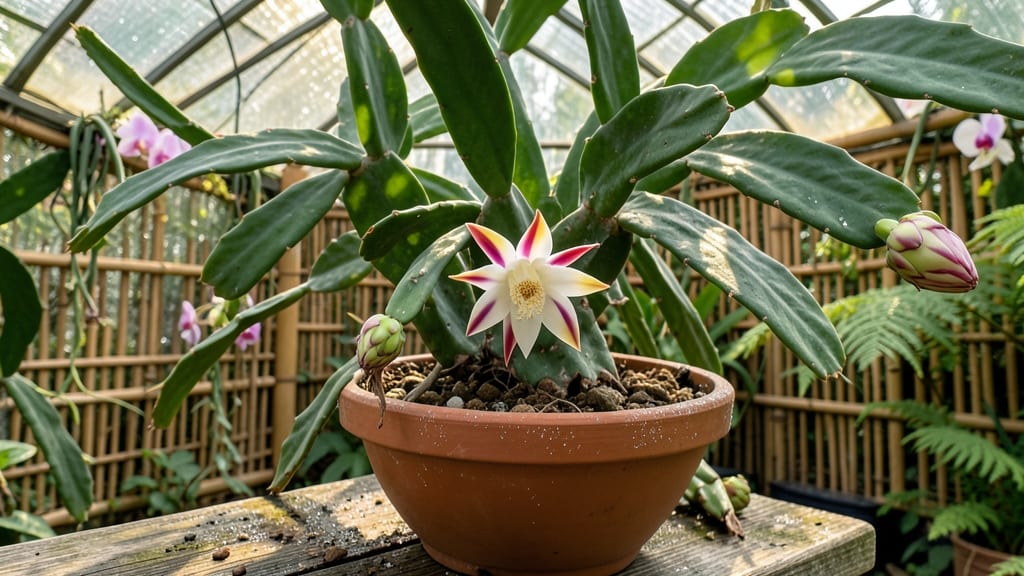
Understanding the dragon fruit flowering stages is your ticket to a thriving 🐉 vine and a harvest full of vibrant fruit. Those striking night-blooming flowers aren't just beautiful—they're the plant's way of signaling it's ready to produce fruit, but only if you know what to look for.
I've seen gardeners miss entire blooming cycles because they didn't recognize the subtle differences between bud formation and actual pollination. The good news? With just a few key observations, you can tell exactly where your plant stands in its flowering journey—and what it needs to keep progressing.
From the first tiny buds to the dramatic night-blooming spectacle, each stage reveals important clues about your plant's health. We'll walk through exactly what to watch for, how long each phase lasts, and the simple adjustments you can make to encourage more blooms.
Whether you're a beginner or a seasoned grower, these insights will help you avoid common pitfalls and maximize your dragon fruit's potential. Let's dive into the fascinating world of dragon fruit blooms and learn how to nurture them through every stage.
Dragon fruit flowering stages: visual guide to identifying each phase
Dragon fruit plants (Hylocereus spp.) undergo four distinct flowering stages before producing fruit. Each phase reveals critical clues about your plant's health and readiness to bear fruit. The journey from bud formation to fruit set typically takes 24-48 hours per cycle, making it essential to recognize these stages quickly.
Many gardeners confuse the night-blooming flowers with other cactus blooms, but dragon fruit flowers have unique characteristics. The pale white or pink buds with green tips are your first visual cue. Understanding these stages helps you troubleshoot issues like failed pollination or poor fruit development before they become permanent problems.
Here’s the visual breakdown of each flowering stage, including timing, environmental needs, and what to watch for:
| Stage | Duration | Visual Cues | Key Conditions | Health Indicator |
|---|---|---|---|---|
| Bud Formation | 5-7 days | Small green-tipped buds (1-2 inches) on areoles | Warm nights (70-80°F), high humidity | Vigorous buds = healthy plant |
| Night Blooming | 1 night (opens ~8 PM) | White/pink flowers with red-tipped stamens, sweet fragrance | 60-75% humidity, warm temps (75-85°F) | Drooping petals = pollination window |
| Pollination | 24-48 hours | Flowers wilt by morning; tiny green fruit forms | Hand pollination if no natural pollinators | No fruit = failed pollination |
| Fruit Set | 3-6 months | Oval fruit grows from base; color change (green → pink/yellow) | Consistent watering, balanced fertilizer | Slow growth = nutrient deficiency |
🌱 Pro Tip: Use a flashlight to check for night blooms!
The bud formation stage is your first opportunity to assess plant health. Healthy buds appear plump and firm, while shriveled buds signal underwatering or low humidity.
I’ve seen gardeners in USDA Zones 10-12 struggle with this stage due to dry air, so misting the plant in the evening can help.
During the night-blooming phase, dragon fruit flowers open their 6-8 inch-wide petals around sunset and release a sweet, tropical fragrance. This is when natural pollinators like moths or bats visit, but in controlled environments, you’ll need to hand-pollinate using a small brush.
Miss this window, and you’ll miss the chance for fruit set.
One common mistake is assuming all wilting flowers mean failed pollination. Some flowers may simply drop without setting fruit, especially in low-humidity conditions. Pay attention to the stamen color—healthy stamens turn bright red when ready for pollination.
The fruit set stage is where patience pays off. A successful pollination will show a small green bump at the flower’s base within 24 hours. Over the next 3-6 months, this bump will grow into the iconic pink or yellow dragon fruit.
Monitor for pests like mealybugs, which can stunt fruit development.
If your dragon fruit plant skips a stage or produces aborted fruit, check these three critical factors: 1. Temperature fluctuations (ideal: 70-90°F) 2. Humidity levels (below 50% causes stress) 3. Nutrient balance (too much nitrogen = leafy growth, no blooms)
For gardeners in subtropical climates, creating a microclimate with shade cloth during peak afternoon sun can prevent bud drop. I’ve had success using a 50% shade cloth in Zone 11 to protect blooms while maintaining light levels.
Remember, dragon fruit plants are heavy feeders during flowering. A balanced fertilizer (5-10-10) applied every 4-6 weeks supports both blooms and fruit development
How to encourage dragon fruit blooming: proven tips by stage
Your dragon fruit vine 🐉 is ready to bloom, but only if you provide the right conditions at each critical stage. The secret to encouraging abundant flowers lies in understanding what your plant needs during bud formation, night blooming, and fruit set.
I've learned through trial and error that timing is everything—miss a window, and you might delay blooming by months.
Let's break down the proven strategies for each flowering phase, from adjusting light exposure to pruning techniques that boost flower production. Whether you're using organic compost or synthetic fertilizers, these stage-specific tips will help you maximize blooms and ensure a productive harvest.
During the bud formation stage, I've found that organic methods like compost tea work wonders. Mix equal parts compost and water, let it steep for 24 hours, then apply it to the soil.
This provides a gentle nutrient boost without overwhelming the plant, which is crucial when tiny buds first appear.
For the night-blooming phase, temperature control becomes critical. If nights dip below 65°F, your flowers may fail to open properly. Consider using a frost cloth during cooler evenings, especially in USDA zones 9-10. I've seen blooms double when maintaining consistent nighttime warmth.
When your dragon fruit enters the pollination window, switch to a low-nitrogen fertilizer like 5-10-10. This shift encourages more flowering instead of leafy growth. I recommend applying it in the early morning so roots have time to absorb nutrients before the heat of day.
Pair this with a light pruning of any overly vigorous shoots to redirect energy to fruit development.
After successful pollination, your plant will enter the fruit set stage. This is when you'll see those iconic pink or yellow fruits beginning to form. To support this growth, increase watering slightly to maintain consistent moisture in the root zone.
I've had the best results using drip irrigation set to run for 15-20 minutes twice daily during this phase.
Remember that dragon fruit plants are heavy feeders during flowering. Whether you choose organic methods like fish emulsion or synthetic options like bloom-specific fertilizers, the key is consistency. I've seen plants respond dramatically when given a balanced fertilizer every 4-6 weeks throughout the growing season.
The right nutrients at the right time make all the difference in your blooming success.