
Light Requirements
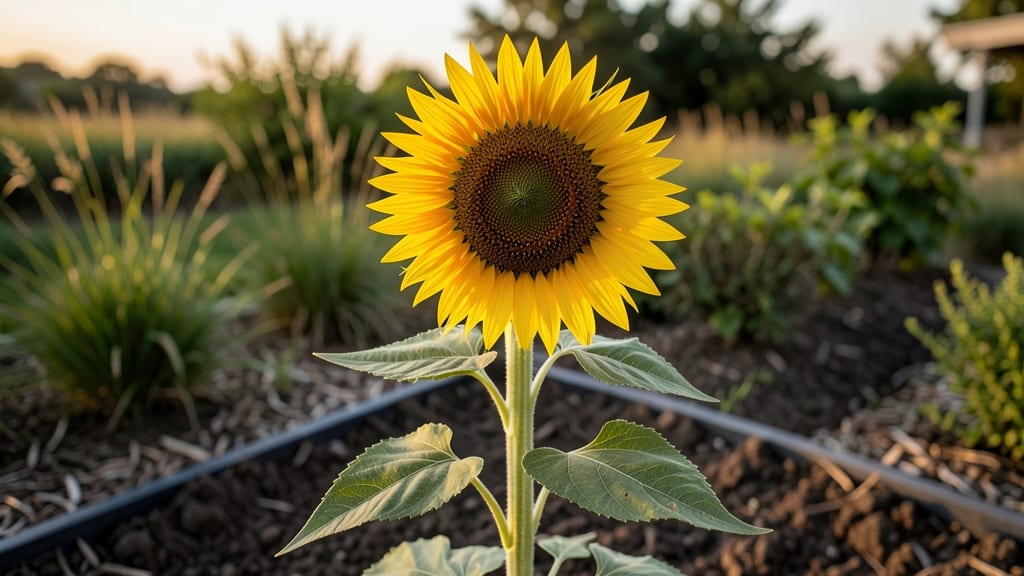
If you’ve ever planted sunflowers 🌻 expecting towering, golden blooms—only to watch them stretch weakly toward the sky like lost balloons because do sunflowers need sun—you’re not alone. Sunflowers do need sun, but not just any sun.
Without the right light, those sturdy stalks turn leggy, blooms shrink, and your dream garden looks more like a sad science experiment.
The secret lies in 6 to 8 hours of direct sunlight daily. That’s not just a suggestion—it’s the non-negotiable rule for happy, healthy sunflowers. Whether you’re in Zone 6a or another sunny spot, positioning matters just as much as planting time (April–May, after frost).
Let’s fix those floppy stems and unlock the full potential of your sunflowers—starting with the light rules they actually follow.
Here’s the kicker: even a few hours less sunlight can mean fewer blooms and weaker stalks that flop under their own weight. But don’t worry—we’ll cover how to hack your garden for maximum sun, whether you’ve got a shady patch or just missed the south-facing sweet spot.
Ready to grow sunflowers that reach for the sky and stay strong?
From reflective surfaces to strategic planting, I’ll show you how to give your sunflowers the light they crave—no matter where you live. Let’s turn those sad stems into sun-soaked giants.

How much sun do sunflowers really need (and what happens if they don’t get enough?)
Sunflowers are famous for their love of sunlight, but many gardeners wonder: do sunflowers really need sun? The short answer is a resounding yes—they thrive in full sun (6–8 hours daily), but even partial shade can drastically alter their growth.
Without enough light, their iconic golden blooms turn into pale, weak versions of themselves. Let’s break down the science and signs of light deprivation so you can give your sunflowers the sunshine they crave.
Sunflowers are heliotropic, meaning they follow the sun’s movement during the day. This behavior isn’t just charming—it’s a survival tactic. Their leaves are packed with chlorophyll, which converts sunlight into energy through photosynthesis.
When deprived of light, this process slows, leading to stunted growth and fewer blooms. Think of sunlight as their fuel source: skimping on it is like running a car on empty.
Here’s the hard truth: sunflowers planted in partial shade (less than 4 hours of sun) will grow leggy stems and smaller flowers. In extreme cases, they might not bloom at all.
But don’t despair—even a few tweaks can make a difference. Let’s explore the ideal light conditions and what happens when sunflowers don’t get enough.
🌻 SUMMARY-TABLE: Sunflower Light Requirements
| Sunlight Need | Daily Hours | Growth Impact | Visual Signs |
|---|---|---|---|
| Full Sun | 6–8+ hours | Tall, sturdy stalks; large, vibrant blooms | Bright yellow petals; upright growth |
| Partial Sun | 4–6 hours | Slower growth; smaller flowers | Pale petals; elongated stems |
| Partial Shade | Less than 4 hours | Stunted growth; few/no blooms | Leggy stems; weak, greenish flowers |
| Deep Shade | 0–2 hours | No viable growth; plant may die | Yellowing leaves; no flowering |
The ideal sunlight window for sunflowers is between 6 AM and 6 PM, capturing the sun’s peak intensity. If your garden only gets morning or afternoon sun, position sunflowers to maximize exposure.
For example, place them on the south side of fences or buildings to reflect extra light during the day. Even a few hours of direct sunlight can improve their resilience, though they’ll never reach their full potential without full sun.
Sunflowers have two critical growth stages where light is non-negotiable: seedling development and flowering. During the seedling phase, insufficient light leads to weak stems that topple over under their own weight.
Later, when buds form, poor light causes flowers to abort or produce tiny, greenish blooms instead of the show-stopping yellow we love. Think of it like baking a cake—skimp on the oven time, and you end up with a sad, dense mess instead of a fluffy masterpiece.
One of the first visual signs of light deprivation is etiolation, where stems stretch excessively toward any available light source. This makes them top-heavy and prone to snapping in wind or rain. Another red flag is chlorosis, or yellowing leaves, which signals the plant can’t produce enough chlorophyll.
If you notice these symptoms, act fast—sunflowers can’t store sunlight like some plants, so they need consistent exposure to recover.
What many gardeners don’t realize is that sunflowers’ height is directly tied to sunlight. A sunflower in full sun might grow 10–14 feet tall, while one in partial shade could max out at 3–5 feet. The difference isn’t just in height—it’s in the plant’s overall health.
Sun-deprived sunflowers are more susceptible to pests and diseases because their immune systems weaken without proper energy production. Even their seeds will be smaller and less viable if the plant struggles to photosynthesize.
If you’re working with limited sunlight, focus on dwarf or semi-dwarf varieties like ‘Teddy Bear’ or ‘Moulin Rouge,’ which tolerate partial shade better than towering giants. These types prioritize flower production over height, making them a smarter choice for shadier spots.
Pair them with reflective surfaces, like white gravel or mirrors, to bounce extra light onto their leaves. Every little bit helps when sunlight is scarce.
Remember, sunflowers aren’t just about aesthetics—they’re ecological powerhouses. Their seeds feed birds and squirrels, while their stalks provide habitat for beneficial insects. By giving them the light they need, you’re not just growing pretty flowers—you’re supporting your garden’s entire ecosystem.
So next time you’re tempted to plant them in the shade, ask yourself: Are these sunflowers getting the sunshine they deserve? 🌻
5 Pro tips to maximize sunflower growth in less-than-ideal sunlight
Even if your garden only gets 4–5 hours of sun, you can still grow healthy sunflowers with the right tricks. The key is working with your space—not against it. I’ve tested these strategies in my own Zone 6a garden, where partial shade was my biggest challenge.
With a few adjustments, you’ll avoid those leggy, weak stalks and get sunflowers that actually reach their full height.
First, let’s address the elephant in the garden: sunflowers do need sun, but they’re more flexible than most plants. While they thrive with 6–8 hours of direct sunlight, they can survive—and even bloom—with as little as 4 hours if you optimize their environment.
The secret lies in reflective surfaces, strategic spacing, and choosing the right varieties. Let’s dive into the top 5 pro tips that’ll turn your shady patch into a sunflower powerhouse.
- Use reflective surfaces like white gravel, mirrors, or even light-colored walls to bounce extra light onto your sunflowers. Place them south-facing to maximize reflection during peak sunlight hours (10 AM–3 PM).
- Plant in raised beds or containers to improve soil warmth and light penetration. Dark soil absorbs heat, creating a microclimate that mimics full sun. Add black plastic mulch to boost soil temperature by 5–10°F.
- Avoid overcrowding—space sunflowers 12–18 inches apart to prevent shading. Tall varieties (like 'Russian Giant') need even more room, while dwarf types (like 'Teddy Bear') can tolerate closer spacing.
- Supplement with grow lights if your sunflowers are stretching toward the sky. Use a full-spectrum LED 12–16 inches above the plants for 4–6 hours daily. Place lights on timers to mimic natural daylight cycles.
- Pair with tall companion plants like corn or beans to create a natural trellis. This lifts sunflowers higher, giving them access to more light. Just avoid planting near strong competitors like tomatoes or peppers.
One of the biggest mistakes I see? Planting tall sunflower varieties in shady spots. If your garden only gets partial sun, opt for dwarf or semi-dwarf types like 'Autumn Beauty' or 'Moulin Rouge.'
These varieties tolerate lower light better and still produce stunning blooms. Avoid 'Russian Giant' or 'Mammoth' in shady areas—they’ll grow tall but weak, with fewer flowers and thinner stalks.
Another pro tip: rotate your sunflowers every few weeks to ensure all sides get equal light exposure. This prevents them from leaning and maximizes photosynthesis. I like to turn my containers or gently reposition seedlings every 7–10 days.
Pair this with morning watering (before 10 AM) to keep soil moist without encouraging fungal growth from evening dampness.
Finally, don’t underestimate the power of seasonal timing. Plant sunflowers in late spring (May) instead of early spring to take advantage of longer daylight hours. In Zone 6a, this means sowing seeds after the last frost (around April 15) but before temperatures climb too high.
This balance gives your sunflowers the extra light they need to thrive in less-than-ideal conditions.
With these tips, your sunflowers will grow taller, bloom brighter, and outperform expectations—even in partial shade. The key is adaptation, not compromise. Give it a try, and watch those golden giants reach for the sky—no matter where you plant them. 🌻