
Flowers
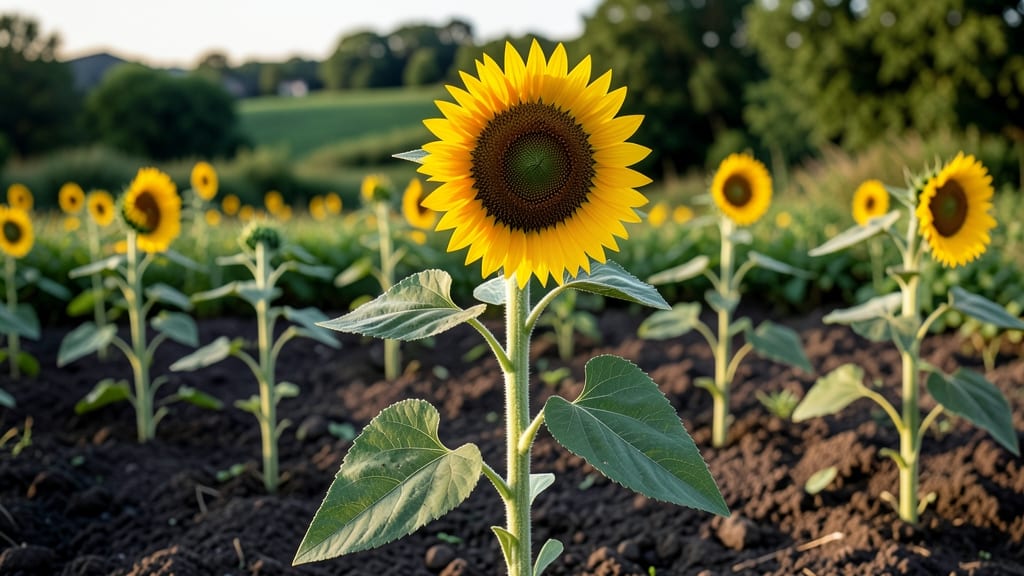
How much sun sunflowers Actually Need (And What Happens If They Don’t Get It)
Sunflowers thrive when basking in sunlight, but their exact requirements often get oversimplified. While they love full sun, the truth is more nuanced than just "plant them in the sunniest spot."
Understanding their minimum sunlight thresholds and how shade affects growth can mean the difference between a 10-foot giant and a 3-foot shrub. Let’s break down what your sunflowers really need—and what happens when they don’t get enough.
Most sunflower varieties demand at least 6-8 hours of direct sunlight daily for optimal growth. This isn’t just about aesthetics—it’s about photosynthesis, energy storage, and structural integrity. Without enough light, sunflowers become leggy, produce fewer blooms, and store less energy in their seeds.
Even dwarf varieties like 'Teddy Bear' or 'Moulin Rouge' need 5-6 hours of sun to thrive, though they tolerate partial shade better than their towering cousins.
Here’s the science: Sunflowers use sunlight to convert carbon dioxide and water into glucose through photosynthesis. Less light = less glucose, which directly impacts stem strength, flower production, and seed development.
Studies show that sunflowers grown with only 4 hours of sun can produce up to 40% fewer blooms and stems that are 30% weaker—making them prone to snapping in wind or rain.
| Variety | Sunlight Needs | Growth Impact of Shade | Height Reduction |
|---|---|---|---|
| Giant (e.g., 'Mammoth Russian') | 8+ hours direct sun | Leggy stems, fewer blooms | Up to 50% |
| Standard (e.g., 'Autumn Beauty') | 6-8 hours direct sun | Smaller flowers, weak stems | Up to 30% |
| Dwarf (e.g., 'Teddy Bear') | 5-6 hours direct sun | Slower growth, compact shape | Up to 20% |
| All varieties in partial shade | <4 hours direct sun | Pale leaves, no blooms | Up to 70% |
Identifying a sunlight deficiency in sunflowers is easier than you think. Start by checking their stems: if they’re thin, elongated, and weak, your plants are stretching toward any available light—a classic sign of etiolation. You’ll also notice smaller, fewer flowers or buds that fail to open.
Leaves may appear pale or yellowish, a direct result of reduced chlorophyll production. In extreme cases, sunflowers in deep shade may not even produce flower buds, leaving you with just a tall, leafy stalk.
Not all shade is created equal. Morning sun with afternoon shade is far better than all-day shade, as sunflowers benefit from the cooling effect of afternoon shade in hot climates.
If you’re growing sunflowers in partial shade, choose dwarf or bush varieties like 'Sunspot' or 'Little Becka,' which are more adaptable. Even then, supplement with a reflective surface (like white mulch or a mirror) to bounce extra light onto the plants.
Temperature plays a role too. Sunflowers grown in cooler climates (USDA Zones 3-5) can tolerate slightly less direct sun because their growing season is shorter. In these regions, 6 hours of sun may suffice, whereas in hot, southern climates, they’ll need 8+ hours to prevent heat stress.
Always monitor your plants’ color and growth rate—if they’re struggling, it’s better to transplant them to a sunnier spot early in the season than to wait and risk stunted growth.
One common misconception is that sunflowers will "adjust" to shade over time. While they may survive in partial shade, they won’t thrive. Think of it like a human trying to live on one meal a day: you might stay alive, but you won’t grow strong or healthy.
Sunflowers need consistent, abundant light to store energy in their roots, which fuels their rapid vertical growth and seed production. Skimp on the sunlight, and you’ll miss out on those iconic, towering blooms we all love.
For the best results, place your sunflowers in the sunniest spot in your garden, ideally facing south in the Northern Hemisphere. If space is limited, consider container gardening on a balcony or patio where they can get unobstructed sunlight.
And remember: even a few extra hours of sun can make a dramatic difference in your sunflowers’ height, bloom count, and overall vigor. Your plants will thank you with bold, vibrant flowers and a sturdy structure that stands tall all season.
🌻
5 Creative ways to grow sunflowers when full sun isn’t an option
If your garden only gets partial shade, don’t assume sunflowers are off-limits! While they thrive in full sun, many varieties adapt well to 4-6 hours of sunlight with creative adjustments. I’ve grown sunflowers on urban balconies and north-facing yards—here’s how to make it work.
Sunflowers are famously sun-loving, but their light requirements can be flexible. The key is choosing the right varieties and maximizing light exposure through smart techniques. Even in shady spots, you can grow compact sunflowers that reach 3-5 feet tall with proper care.
- Use reflective surfaces like white walls or mirrors to bounce indirect light onto plants (boosts light by 20-30%).
- Opt for dwarf varieties like 'Teddy Bear' or 'Moulin Rouge'—they tolerate partial shade better than giants.
- Rotate containers weekly to ensure all sides get even light exposure (critical for balcony gardens).
- Plant near tall structures to create a sun tunnel effect—sunflowers will stretch toward the light.
- Companion plant with fast-growing veggies (like radishes) that can be harvested before sunflowers outcompete for light.
Container gardening is my go-to solution for limited sunlight. Use large pots (12+ inches deep) with well-draining soil and place them on wheelbarrows or stands to move them toward the sunniest spot each day. Self-watering containers help too—sunflowers in shade need consistent moisture to prevent stress.
For north-facing gardens, I recommend companion planting sunflowers with light-loving herbs like basil or dill. These plants act as living mulch, reflecting light downward while keeping the soil cool. Another trick? Interplant sunflowers with shade-tolerant flowers like cosmos—they won’t compete for light but add color.
Don’t overlook sunflower varieties bred for adaptability. 'Autumn Beauty' and 'ProCut' handle partial shade better than traditional giants, producing smaller but vibrant blooms. Even in 6 hours of light, these varieties can reach 4-5 feet with proper support.
For urban balconies, try 'Little Becka'—it thrives in containers and tolerates morning sun.
If all else fails, supplement with grow lights. A 15-watt LED bulb placed 12 inches above seedlings for 12 hours daily mimics full sun. I’ve seen sunflowers grow 2 feet taller with this setup! Just avoid overhead lights—sunflowers need light from multiple angles to prevent leggy stems.
With these strategies, you can grow sunflowers even in shady spots. Start with dwarf varieties, maximize light with reflective surfaces, and keep soil moist. Your sunflowers will reward you with cheerful blooms—no full sun required! 🌻