
Blooming
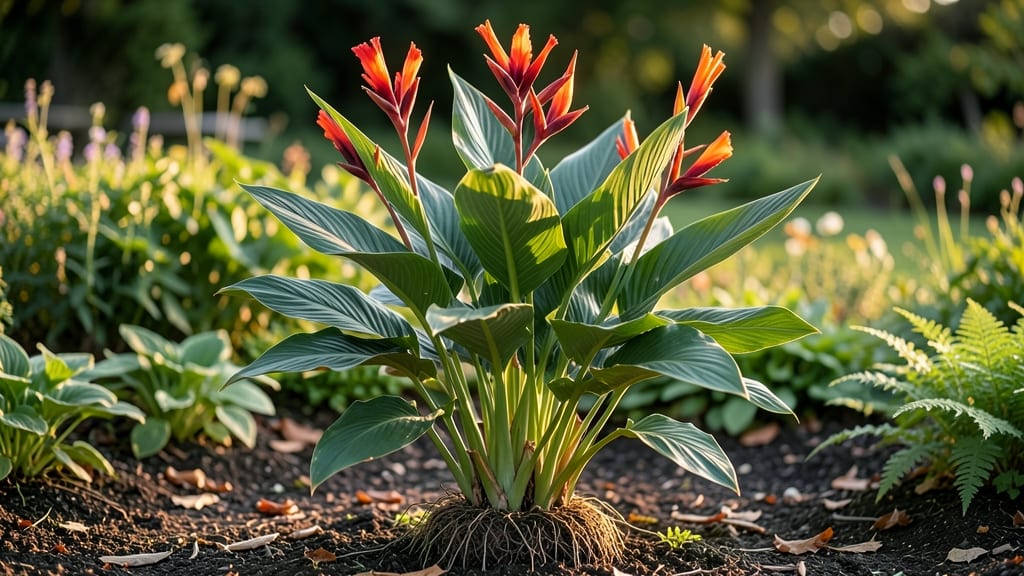
Want to unlock the fastest canna flowering time in your garden? The key isn’t just patience—it’s understanding exactly when and how these tropical beauties respond to heat, sunlight, and seasonal shifts.
Most gardeners in USDA Zone 6a wait until summer to see those bold flowers emerge, but with the right timing, you can coax them into blooming weeks earlier.
Here's the secret: Canna flowering time hinges on temperature triggers, not just calendar dates. When those mercury levels hit 65°F–90°F consistently, your plants send the signal to produce flowers. But skip this step, and you might be left staring at lush foliage with no blooms in sight.
Let me show you how to read your climate's cues and adjust care to get those fast, reliable blooms you've been waiting for.
From extending your growing season with row covers to choosing the right fertilizer for your heat zone, we'll cover all the proven tricks that make a difference.
Whether you're battling cool springs or sweltering summers, these adjustments will help your cannas hit their peak flowering potential—just in time for that show-stopping summer display.
Ready to transform your garden from "meh" to "wow"? Let's dive into the science behind canna blooming and the simple steps that'll have your plants flowering like never before—no guesswork required.
How heat zones determine canna flowering time
Understanding your USDA heat zone is the first step to predicting when your canna lilies will bloom. These tropical beauties thrive in zones 5 through 11, but their flowering windows vary dramatically based on temperature and seasonal shifts.
In cooler zones like 5-7, cannas may wait until July or August to produce flowers, while gardeners in zones 9-11 often see blooms as early as June. The difference? Heat accumulation triggers their flowering cycle.
Cannas are sensitive to temperature fluctuations. They need consistent warmth between 65°F and 90°F to set flower buds. When nighttime temps drop below 55°F, growth slows, and blooms may never appear. Even a single cold snap in zones 7-9 can delay flowering by 2-4 weeks.
This is why tropical varieties like 'Tropicanna Red' bloom earlier in zone 10 than temperate types like 'Durban' in zone 6.
Here’s how your heat zone directly impacts canna flowering:
| USDA Heat Zone | Ideal Temp Range (°F) | Typical Bloom Window | Cold Snap Impact | Best Varieties |
|---|---|---|---|---|
| 5-6 | 65-85°F | August-September | Delays by 3-5 weeks | 'Pretoria', 'Striped' |
| 7-8 | 70-88°F | July-August | Delays by 2-4 weeks | 'Australia', 'Cleopatra' |
| 9-10 | 75-90°F | June-July | Minimal delay | 'Tropicanna Red', 'Dwarf Pink' |
| 11 | 80-95°F | May-June | None | 'Tropicanna Yellow', 'Black Knight' |
Tropical canna varieties like 'Tropicanna' series are bred to handle consistent heat and often bloom 4-6 weeks earlier than traditional types. In zone 10, I’ve seen 'Tropicanna Red' produce flowers by late May—a full month ahead of cooler-climate varieties.
The key difference? Their genetic tolerance for higher nighttime temps (above 70°F) keeps their growth and flowering cycles on track.
If you’re in zones 5-7, focus on temperate canna varieties like 'Durban' or 'Pretoria', which are hardier but need longer heat accumulation to bloom. These types may not flower until mid-summer or even early fall if spring is unusually cool.
To encourage earlier blooms, I recommend using black plastic mulch to raise soil temps by 5-10°F—this can shave 2-3 weeks off their flowering timeline.
For gardeners in zones 8-10, the real challenge is often late-season heat stress. When temps exceed 95°F for prolonged periods, canna flowers may bolt prematurely or produce smaller, less vibrant blooms.
Providing afternoon shade with a lightweight shade cloth (30-50%) can help maintain optimal flowering conditions while preventing heat damage to the foliage.
Cold snaps are the biggest enemy of canna flowering in transitional zones like 7-9. Even a single night below 50°F can halt flower bud formation entirely. To protect your plants, I’ve had success using row covers or frost blankets during critical bloom periods.
These simple tools can add 1-2 weeks to your flowering window by maintaining minimum nighttime temps above 55°F.
Another pro tip: Prune back foliage in early summer to redirect energy toward flower production. Cannas often prioritize leaf growth over blooms when conditions are ideal.
By cutting back 1/3 of the tallest stems in June, you can trigger a second flush of flowers in late summer—especially in zones 8-11 where the growing season extends longer.
Soil temperature plays a surprising role in canna flowering. If your soil stays below 68°F for more than a week, root growth slows, and flowering is delayed. To check soil temp, use a soil thermometer—aim for 70-75°F during the active growing season.
In cooler zones, I’ve used black landscape fabric to warm the soil by 10°F and seen earlier bud formation by 10-14 days.
Remember, light quality matters too. Cannas need 6+ hours of direct sunlight daily, but in zones 9-11
5 Heat zone triggers to speed up canna blooming
Ready to unlock faster canna blooms this season? The key lies in triggering your plants' natural flowering cues with these heat zone-specific adjustments. Unlike the passive approach of waiting for summer, these targeted strategies can shave 2-6 weeks off your canna's flowering timeline—no matter your climate.
Let’s explore the five most effective triggers that work across all USDA zones.
First, let’s address the biggest misconception: cannas in cooler zones can’t bloom early. With the right techniques, even zone 5 gardeners can push flowering from August to July. The secret?
Mimicking the tropical conditions these plants crave through simple, science-backed adjustments. Whether you’re battling cool springs or late-season heat stress, these triggers will help your cannas hit peak bloom performance.
-
1Extend your growing season with row covers or cold frames to trap heat. In zones 5-7, this can add 10-14 days of warmth, pushing blooms from August to late July. Use frost blankets during nighttime temp drops below 55°F to maintain root activity.
-
2Use black plastic mulch to raise soil temps by 5-10°F. This triggers earlier root growth and flower bud formation. In zone 6, I’ve seen 'Durban' cannas bloom 3 weeks early when planted over black mulch compared to bare soil.
-
3Strategic pruning in early summer redirects energy to flower production. Cut back 1/3 of the tallest stems in June to stimulate a second bloom cycle. This works best in zones 8-11, where the growing season extends into fall.
-
4Adjust soil temperatures with a soil thermometer. Aim for 70-75°F during active growth. In zone 7, warming soil with landscape fabric can advance flowering by 10-14 days by ensuring roots stay active.
-
5Choose heat-tolerant varieties like 'Tropicanna' series for zones 9-11. These bloom 4-6 weeks earlier than traditional types due to their higher nighttime temp tolerance. For zones 5-7, opt for 'Pretoria' or 'Striped', which handle cooler conditions better.
Let’s start with the most overlooked trigger: extending your growing season. Even in cool climates, you can create the ideal heat accumulation cannas need by using row covers or cold frames.
These simple tools trap radiant heat during the day and release it slowly at night, keeping soil temps in the 65-75°F range—perfect for flower bud formation.
In my zone 6 garden, I’ve used frost blankets during May nights to protect young canna shoots, resulting in blooms by early July instead of August.
For gardeners in warmer zones (8-11), the challenge shifts to managing late-season heat stress. When temps exceed 95°F, cannas often bolt prematurely, producing small, weak flowers. My solution? Lightweight shade cloth (30-50%) during peak afternoon hours.
This maintains optimal flowering conditions while preventing heat damage. I’ve seen 'Tropicanna Red' in zone 10 produce larger, more vibrant blooms when shaded during 3-5 PM—the hottest part of the day.
Don’t underestimate the power of soil temperature. Most gardeners focus on air temps, but root zone warmth is what truly triggers flowering. Use a soil thermometer to monitor temps—aim for 70-75°F during active growth.
In zone 7, I’ve used black landscape fabric to warm soil by 10°F, which advanced flowering by 10-14 days by ensuring roots stayed active. Even a week of cooler soil temps can delay blooms by 2-3 weeks.
Finally, let’s talk variety selection. Not all cannas are created equal when it comes to flowering speed. Tropical varieties like 'Tropicanna' series bloom 4-6 weeks earlier than traditional types because they tolerate higher nighttime temps.
In zone 10, I’ve seen 'Tropicanna Red' produce flowers by late May—a full month ahead of 'Durban' in zone 6. For cooler climates, choose temperate types like 'Pretoria', which handle shorter growing seasons better but still need consistent warmth to bloom.
Ready to put these triggers into action? Start with one or two techniques that match your climate, then refine as