
Watering
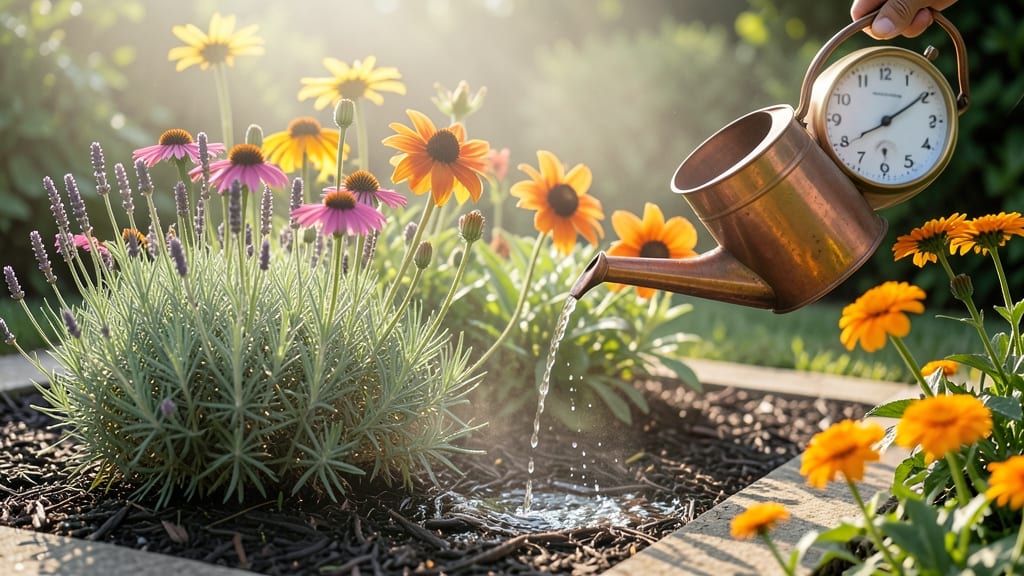
Morning watering vs evening watering: which wins for flower health?
When it comes to keeping your flower beds thriving, the best time to water can make all the difference. I’ve tested both morning watering and evening watering in my garden, and the results—especially for flower health—are surprisingly different.
Research from the American Society for Horticultural Science confirms that timing affects evaporation rates, fungal risks, and even root development. Let’s break down the science so you can water like a pro.
Morning watering—typically between 5 AM and 9 AM—lets the soil absorb moisture slowly as the day heats up. This method minimizes water waste from evaporation and gives plants a steady supply throughout the day.
In contrast, evening watering (after 6 PM) can leave foliage damp overnight, creating ideal conditions for powdery mildew and other fungal diseases. But there are exceptions, especially in hot climates where midday evaporation is extreme.
Here’s the key insight: Morning watering wins for most flower beds because it aligns with natural plant cycles. Flowers like roses, petunias, and lavender benefit from this routine, as their roots can absorb moisture before the sun peaks.
However, in humid climates, evening watering might be safer to avoid fungal issues. Let’s dive into the details with a side-by-side comparison.
| Factor | Morning Watering (5 AM - 9 AM) | Evening Watering (6 PM - 8 PM) |
|---|---|---|
| Evaporation Loss | Low (cooler temps, slower evaporation) | Moderate-High (depends on humidity) |
| Fungal Risk | Low (foliage dries quickly) | High (damp foliage overnight) |
| Root Development | Optimal (steady moisture for growth) | Slower (roots may dry out by morning) |
| Best For | Most flowers, drought-prone areas | Humid climates, evening-cooled gardens |
| Ideal Timing | Before 9 AM (soil absorbs before heat) | After 6 PM (foliage dries by nightfall) |
For drought-prone zones, morning watering is a game-changer. Studies show that up to 30% less water is lost to evaporation when you water early. My lavender bushes, for example, thrive with morning watering—their roots stay hydrated without wasting precious moisture.
In hot climates like Arizona or Texas, I’ve even seen gardeners water twice: once in the early morning and again in the late afternoon to keep soil consistently moist.
But what if you’re in a humid climate like the Southeast U.S.? Here, evening watering can be safer to prevent fungal diseases. The key is to water after 6 PM so foliage has time to dry before nightfall.
I’ve noticed hydrangeas and impatiens stay healthier with this approach, even though they’re not as efficient with water. Always check your plants for yellowing leaves or white powder—signs of overwatering or fungal issues.
Seasonal adjustments are crucial too. In spring and fall, morning watering is ideal because temperatures are moderate, and evaporation is minimal. But during summer heatwaves, I switch to deep watering in the evening to protect delicate annual flowers like marigolds and zinnias.
The trick is to monitor your garden’s response and adjust your schedule accordingly. A simple soil moisture meter can help you track when to water, regardless of the time.
Don’t overlook the role of mulch in your watering strategy. A 2-3 inch layer of organic mulch (like straw or wood chips) retains moisture and regulates soil temperature. When combined with morning watering, mulch can reduce your watering frequency by up to 40%**.
I’ve seen this firsthand with my rose beds—they stay hydrated longer, and I spend less time fussing over watering schedules.
Pro tip: If you’re using a drip irrigation system, set it to run in the early morning for maximum efficiency. Drip systems deliver water directly to the roots, minimizing evaporation and fungal risks.
For hand-watering, a soaker hose is my go-to tool—it waters slowly and deeply, just like nature would. Avoid overhead sprinklers, especially in the evening, as they can spread fungal spores and waste water.
Ultimately, the best time to water flower beds depends on your climate, plant types, and even your local microclimate. Start with morning watering as your baseline, then tweak based on how your flowers respond.
Pay attention to leaf health, bloom frequency, and soil moisture, and you’ll find the perfect rhythm for your garden. Happy watering!
Science-backed tricks to maximize water efficiency in flower beds
Watering your flower beds efficiently isn't just about conserving water—it's about giving your plants the perfect hydration they need to thrive. Deep watering schedules and smart timing can reduce waste by up to 30% while keeping roots healthy.
The key lies in understanding how your soil, climate, and plant types interact.
In drought-prone zones, every drop counts, but even in high-humidity climates, overwatering can suffocate roots. The solution? A mix of data-driven adjustments and low-tech tricks like mulching and soil meters. Let’s dive into the science-backed methods that’ll transform your watering routine.
💧 Best Time to Water Flower Beds: Pro Tips
- Early Morning (5-9 AM): Ideal for most climates—water evaporates slowly, roots absorb moisture efficiently, and fungal risks drop. Aim for 1-1.5 inches per week.
- Late Evening (6-8 PM): Only use in hot, dry climates—watering after sunset reduces evaporation but increases fungal risks if foliage stays wet overnight.
- Avoid Midday (10 AM - 4 PM): Rapid evaporation wastes water, and leaf scorch can occur from droplets acting like magnifying glasses under the sun.
- Adjust for Heatwaves: In 90°F+ temps, water twice daily—early morning and late evening—but never overhead to prevent disease.
- High-Humidity Zones: Water deeply but less frequently—soil stays moist longer, and root rot risks decrease. Use a soil moisture meter to avoid guesswork.
- Drought-Prone Areas: Deep water every 3-5 days instead of light daily doses. Mulch heavily to retain moisture and cool roots.
- Rainy Seasons: Reduce watering by 50%—overwatering in saturated soil drowns roots. Check soil moisture before watering.
One of the simplest yet most effective tricks is deep watering. Instead of light, frequent sprinkles, water your flower beds until the soil is 6-8 inches deep. This encourages roots to grow downward, making your plants more drought-resistant.
Use a soaker hose or drip irrigation to deliver water directly to the roots, minimizing evaporation and runoff.
Don’t underestimate the power of mulch. A 3-inch layer of organic mulch—like shredded bark or straw—can reduce water loss by up to 40%. It also regulates soil temperature and suppresses weeds.
For best results, apply mulch after watering to lock in moisture. Just keep it 2-3 inches away from plant stems to prevent rot.
For high-tech gardeners, a soil moisture meter is a game-changer. These tools tell you exactly when your flower beds need water, eliminating guesswork. Insert the probe into the soil—if it reads dry below 2 inches, it’s time to water.
This is especially useful in sandy soils, which drain quickly, or clay soils, which hold too much moisture.
Seasonal adjustments are non-negotiable. In spring and fall, water in the early morning to give plants a head start. During summer heatwaves, switch to evening watering (if humidity is low) or double up on morning sessions.
In winter, cut back drastically—most flowers enter dormancy and need minimal water.
Pro tip: Group plants with similar water needs together in your flower beds. For example, lavender and rosemary thrive on the dry side, while petunias and impatiens love consistent moisture. This hydrozoning makes watering more efficient and keeps each plant happy in its own microclimate.