
Size
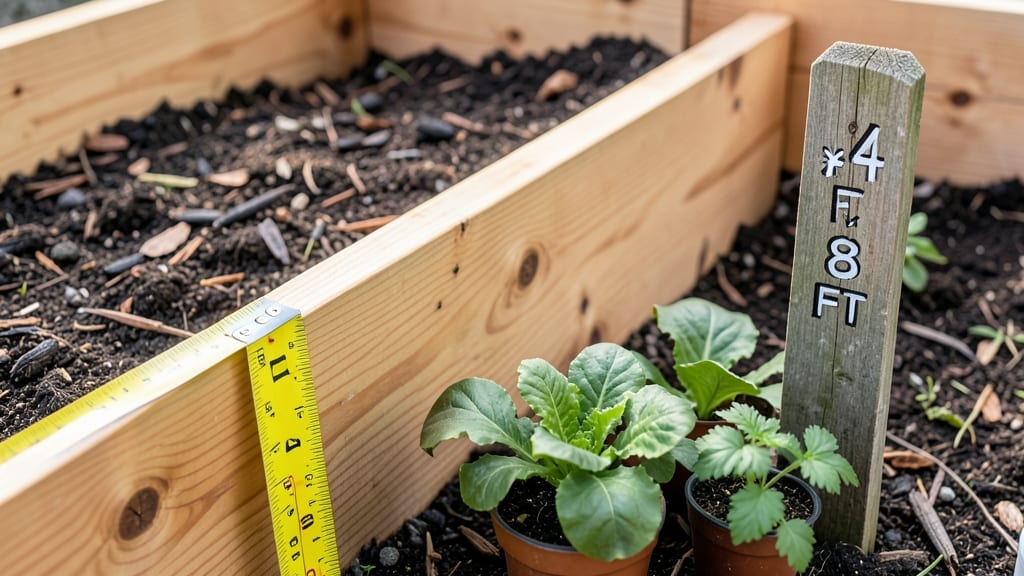
When building a raised garden bed, the average size is 4 feet wide by 8 feet long, designed to provide ample planting space while fitting comfortably within reach without stepping inside. Heights typically range between 6 to 12 inches to accommodate root growth and reduce strain on your back.
The average raised bed size of 4x8-foot isn't arbitrary—it's based on ergonomics and practicality.
This size lets you stand on both sides of the bed, reaching the center without bending or stepping inside, which helps prevent soil compaction from foot traffic. 🌱 The height range (6-12 inches) balances root depth needs with material costs, as taller beds require more lumber or concrete blocks.
Many gardeners also prefer this size because it fits neatly into most backyard layouts while maximizing growing space.
For those with limited space, 4x4-foot beds are popular, though they reduce overall yield. Larger beds (like 8x12 feet) require more materials and maintenance but can increase production significantly for high-value crops.
The key is matching your bed size to your garden goals—whether that's maximizing yield, ease of access, or budget constraints.
💡 In This Article
- Why Standard Raised Bed Dimensions Improve Gardening Efficiency
- Calculating Planting Capacity in Different Raised Bed Sizes
Why standard raised bed dimensions improve gardening efficiency
The 4-foot width of standard raised beds is a game-changer for accessibility. This dimension allows gardeners to reach the center of the bed from either side without stepping inside, which prevents soil compaction—a common issue in in-ground gardens.
Studies show that foot traffic can reduce soil porosity by up to 30%, limiting root growth and water drainage. The 8-foot length provides enough growing space for most home gardeners while keeping the bed manageable for weeding and harvesting.
Ergonomics play a huge role in why these dimensions work so well. A 12-inch height (the upper end of the standard range) places the planting surface at waist level for most adults, reducing back strain during planting and maintenance.
This height also creates a 10-12 inch deep root zone, ideal for most vegetables and herbs—deeper than many in-ground gardens unless amended heavily. For example, tomatoes need 18-24 inches of root depth, so taller beds (up to 24 inches) are better for heavy feeders like squash or potatoes.
Material choice affects how you interpret these dimensions. Wooden beds (cedar or redwood) are popular for their natural look but may warp over time if not properly sealed. Metal beds offer durability but can heat up quickly in sunlight, potentially stressing heat-sensitive plants.
Composite materials strike a balance, resisting rot and pests while maintaining consistent dimensions. The 4x8-foot footprint works universally because it fits standard lumber sizes (like 2x6 or 2x8 boards), keeping construction costs predictable.
Airflow is another critical factor in bed design. The 4-foot width creates a microclimate where air circulates freely through the center, reducing fungal diseases like powdery mildew.
Narrower beds (3 feet) can suffer from poor airflow in dense plantings, while wider beds (> 5 feet) force gardeners to step inside, defeating the purpose.
The 8-foot length also allows for strategic crop placement—cool-loving crops on the north side, heat-tolerant ones on the south, maximizing sunlight exposure.
For those with limited space, a 4x4-foot bed cuts material costs in half but reduces planting capacity by 50%. This size works well for herbs, salad greens, or small fruit bushes but may struggle with larger plants like corn or pumpkins.
The trade-off? Less maintenance time and easier rotation of crops. Meanwhile, custom shapes (like L-shaped or circular beds) can maximize space in tight areas but require more materials and planning to maintain structural integrity.
What most gardeners don't realize is how these dimensions affect soil temperature regulation. Raised beds warm up 2-3 weeks earlier in spring than in-ground soil because they're exposed to sunlight on all sides.
The 4-foot width ensures even warming across the bed, while taller sides (12+ inches) provide better insulation against cold snaps. This early-season advantage lets you plant faster-growing crops like lettuce or radishes sooner, extending your growing season.